Changan Deepal S07 Review
If you're reading this thinking, 'What’s a Changan?' you're far from alone, as even we had never heard of the brand until very recently. Yet in less than a year since launching in the UK, the brand has gone from a single flagship showroom to a brisk expansion of more than 60 dealer sites across the UK, giving it nationwide retail and after-sales coverage across England, Scotland, Wales and Northern Ireland. One car has been chosen to lead that charge: the Deepal S07 which we have. Changan’s opening statement to British buyers is a crossover SUV packed with tech and features normally reserved for top tier trim levels; all as standard here for £39,999.
Design
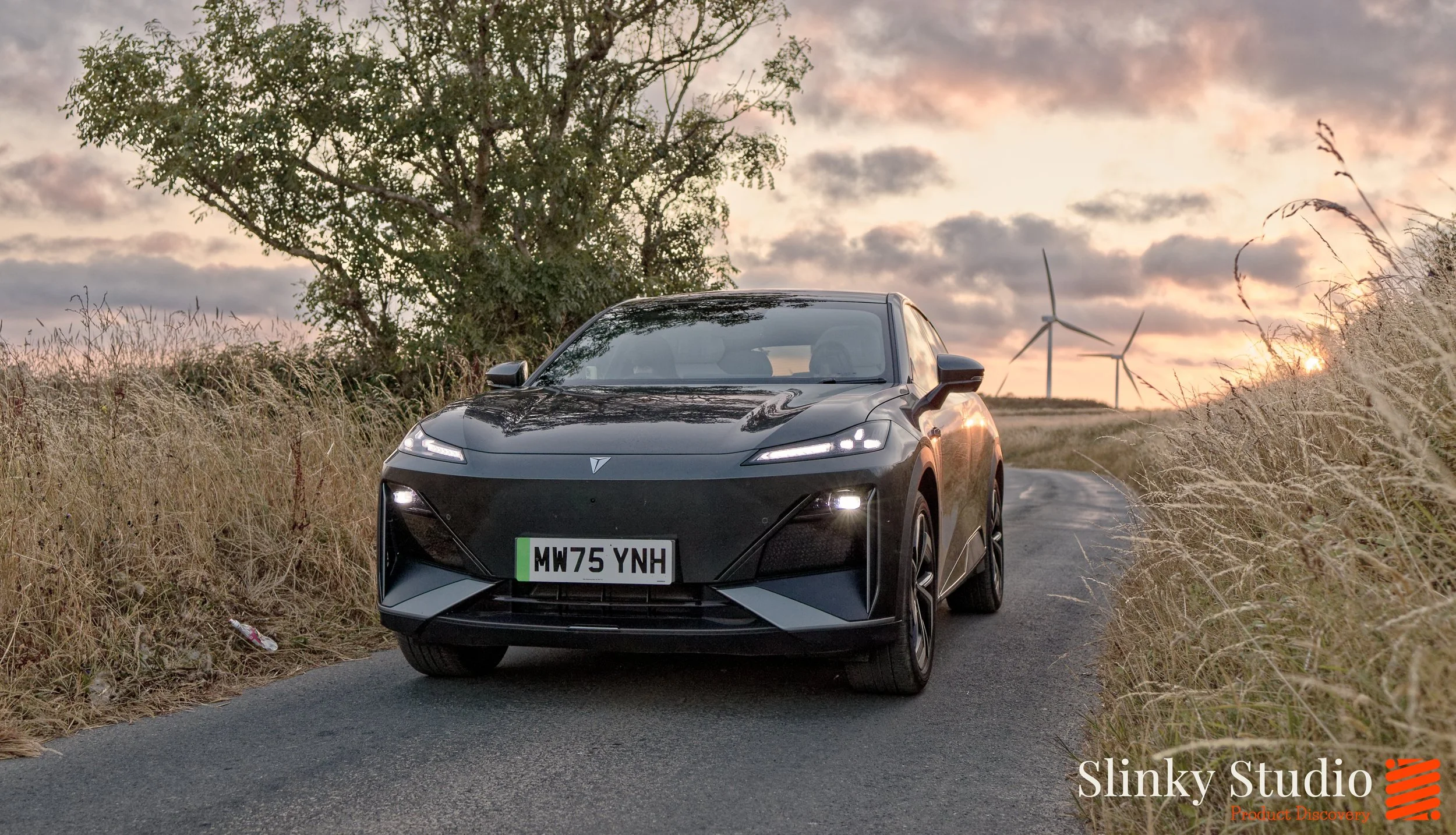
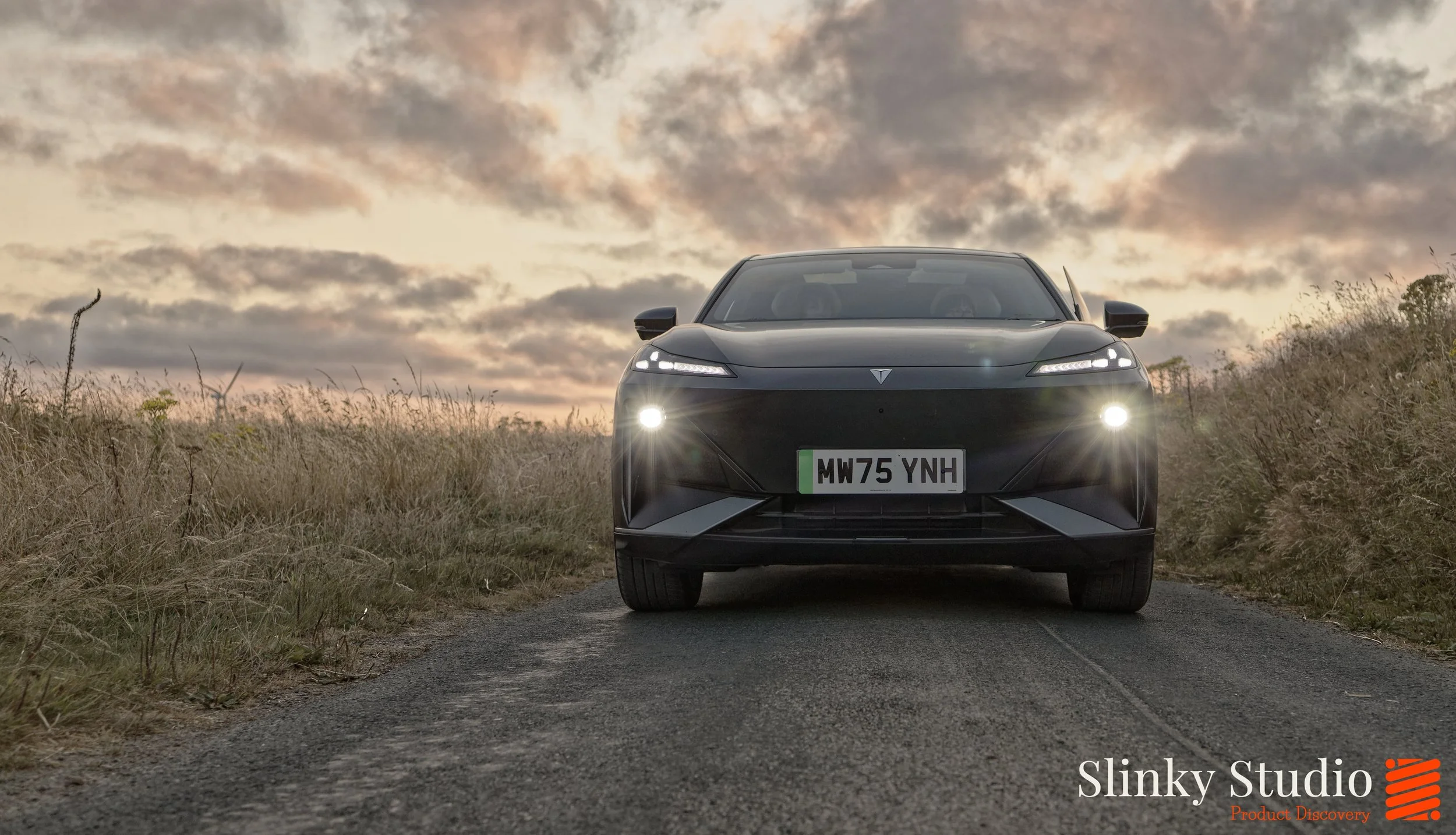
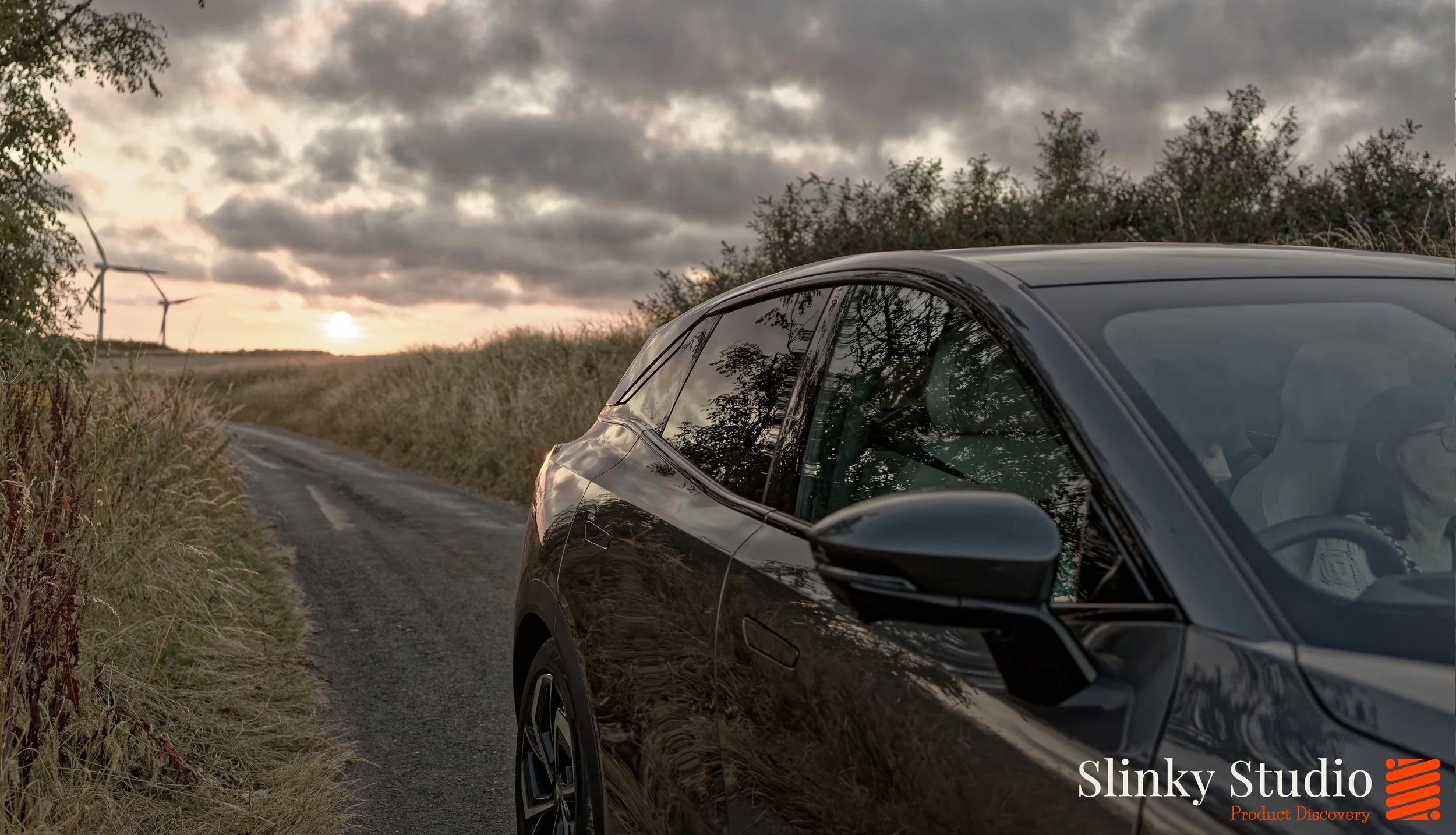
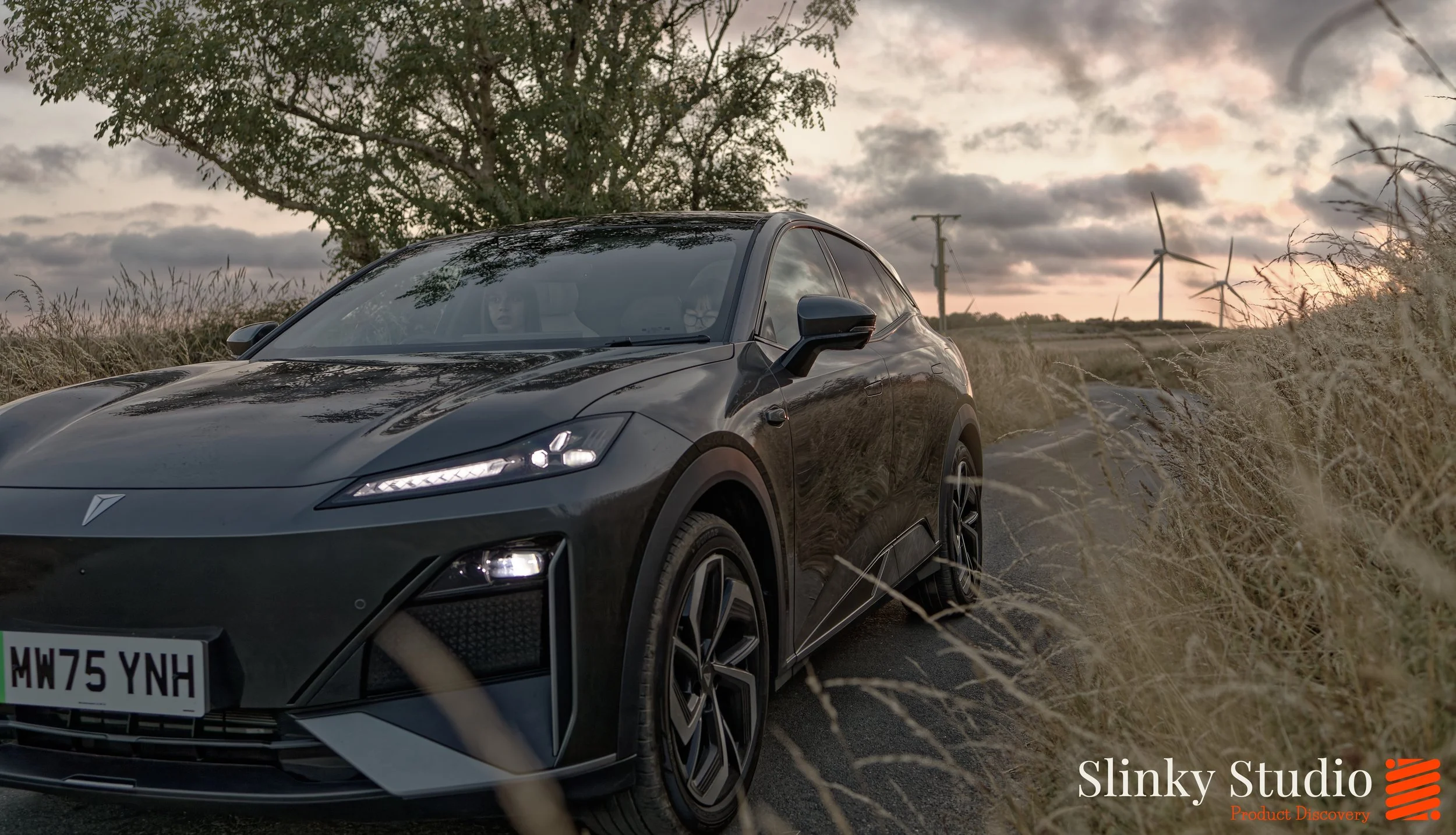
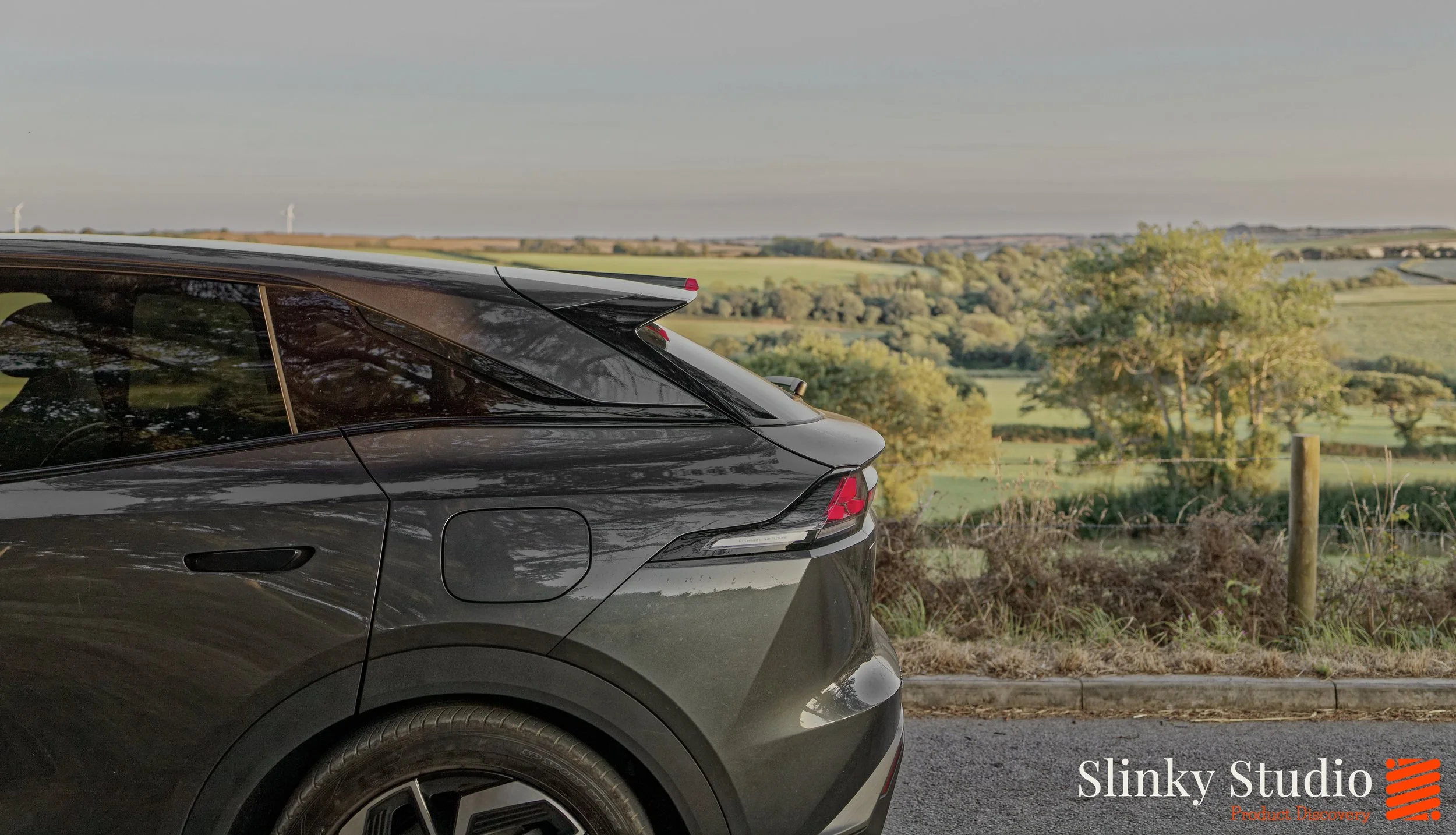
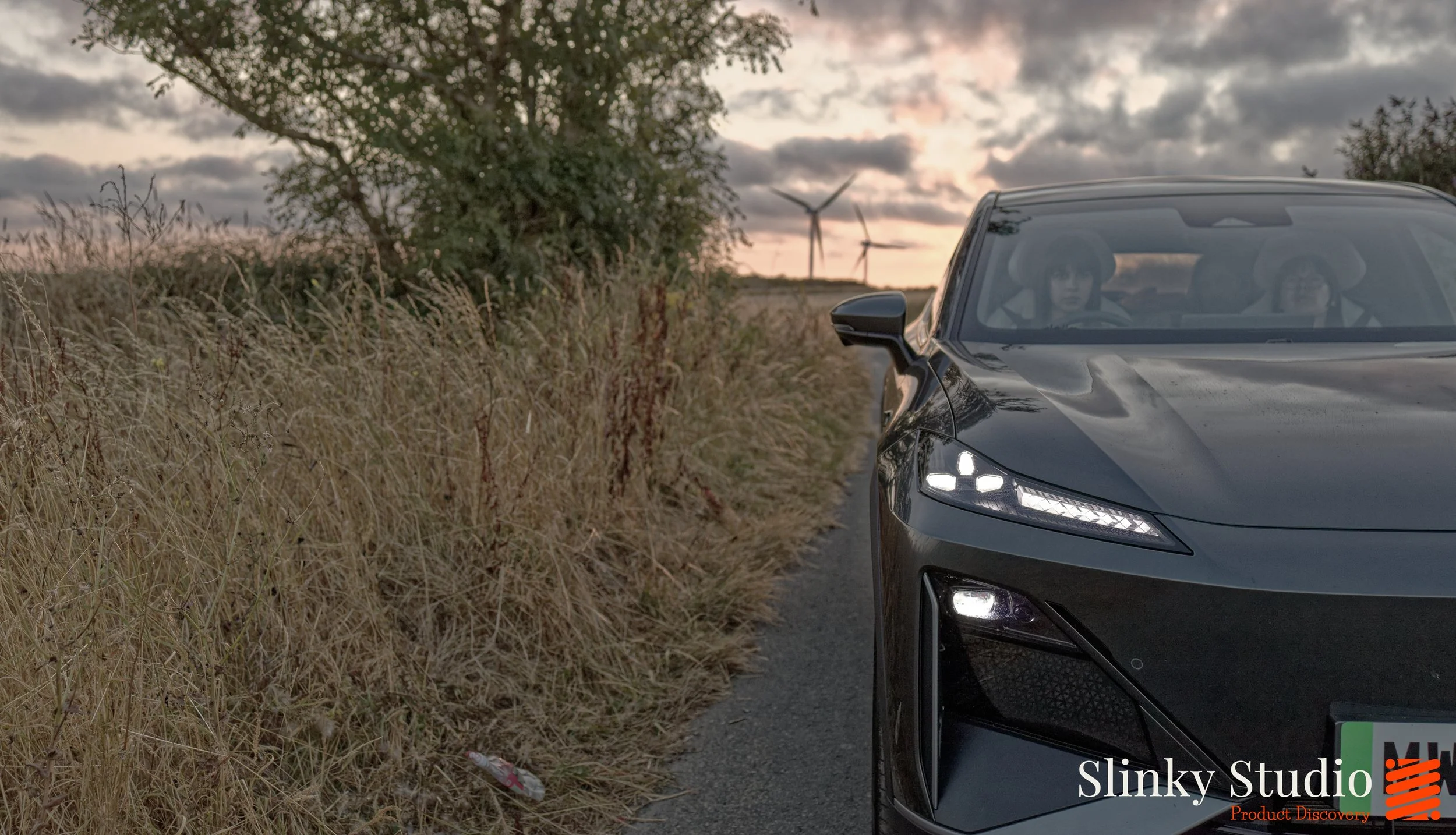
We like the front end, with its creased bonnet and genuinely distinctive face. It's the S07's best angle: there's a real sharpness to it, proper air ducts, no pretend radiator grille, and the boomerang-styled headlights suit the sharper look. The side is slightly unremarkable. It's very flat and a bit reminiscent of a VW ID.4 in its silhouette, but the 20” alloys that come as standard, as they’re the sole option, wrapped in fairly low-profile rubber, give the S07's styling a bit more flair here. The rear, however, looks a little more Cupra-like, thanks to its light bar integrating an amber-glowing Deepal logo. In all, it's a design that doesn't quite hang together as a single, cohesive shape, but each angle has enough character on its own, making that lack of cohesion easy to forgive.
At 4,750mm in length, 1,930mm in widthnand 1,625mm in height, it's almost identical in size to the XPENG G6, and the two sit in a similar segment as crossover-style SUVs. The Deepal S07 leans into ride height with a high metal belt-line and therefore higher, slightly shorter side windows on the doors. It's clearly trying to pull your eye upwards, giving it a genuinely taller stance in styling terms, differentiating itself from so many SUVs that just look like hatchbacks with more ground clearance.


The Interior
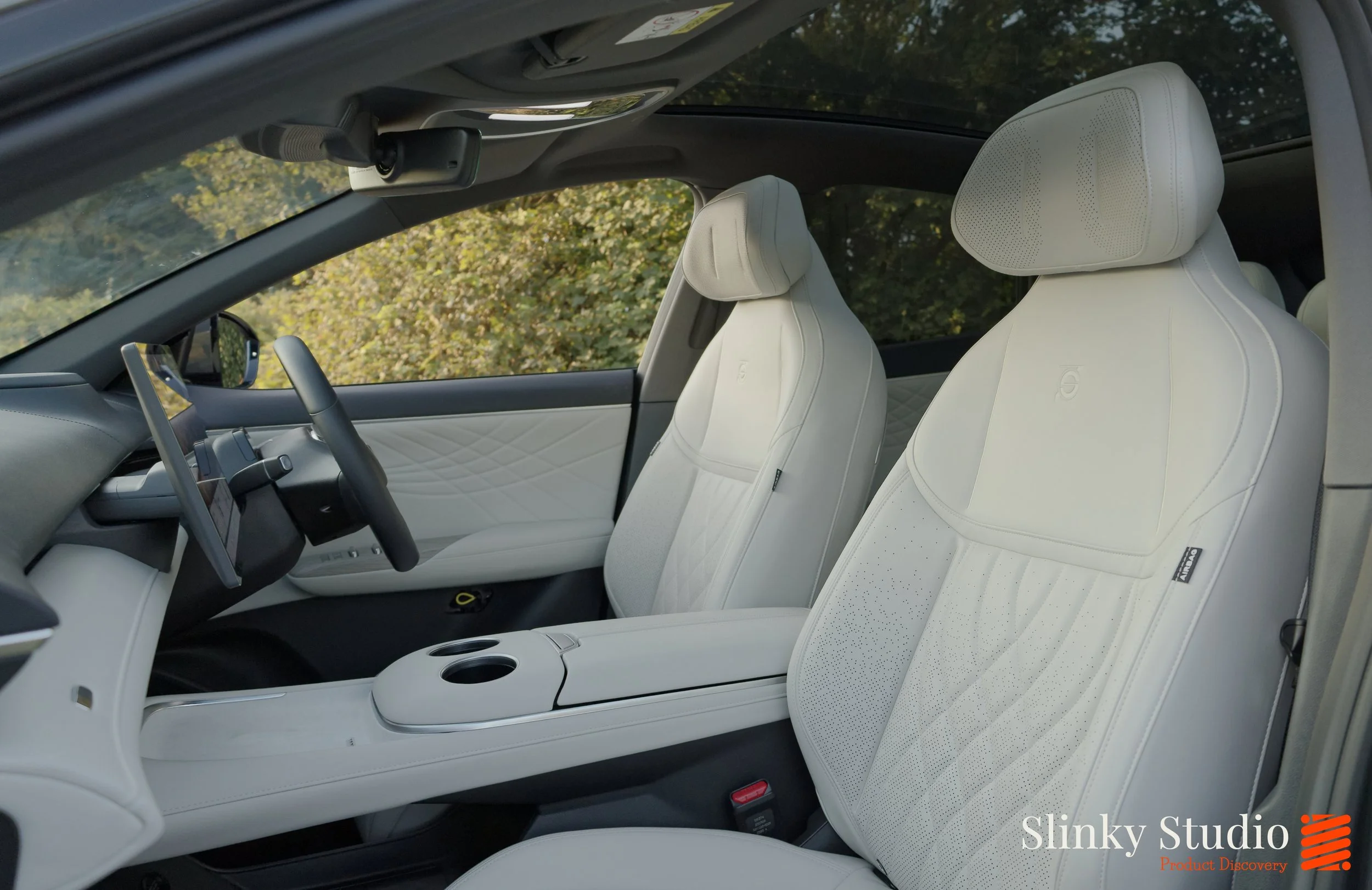
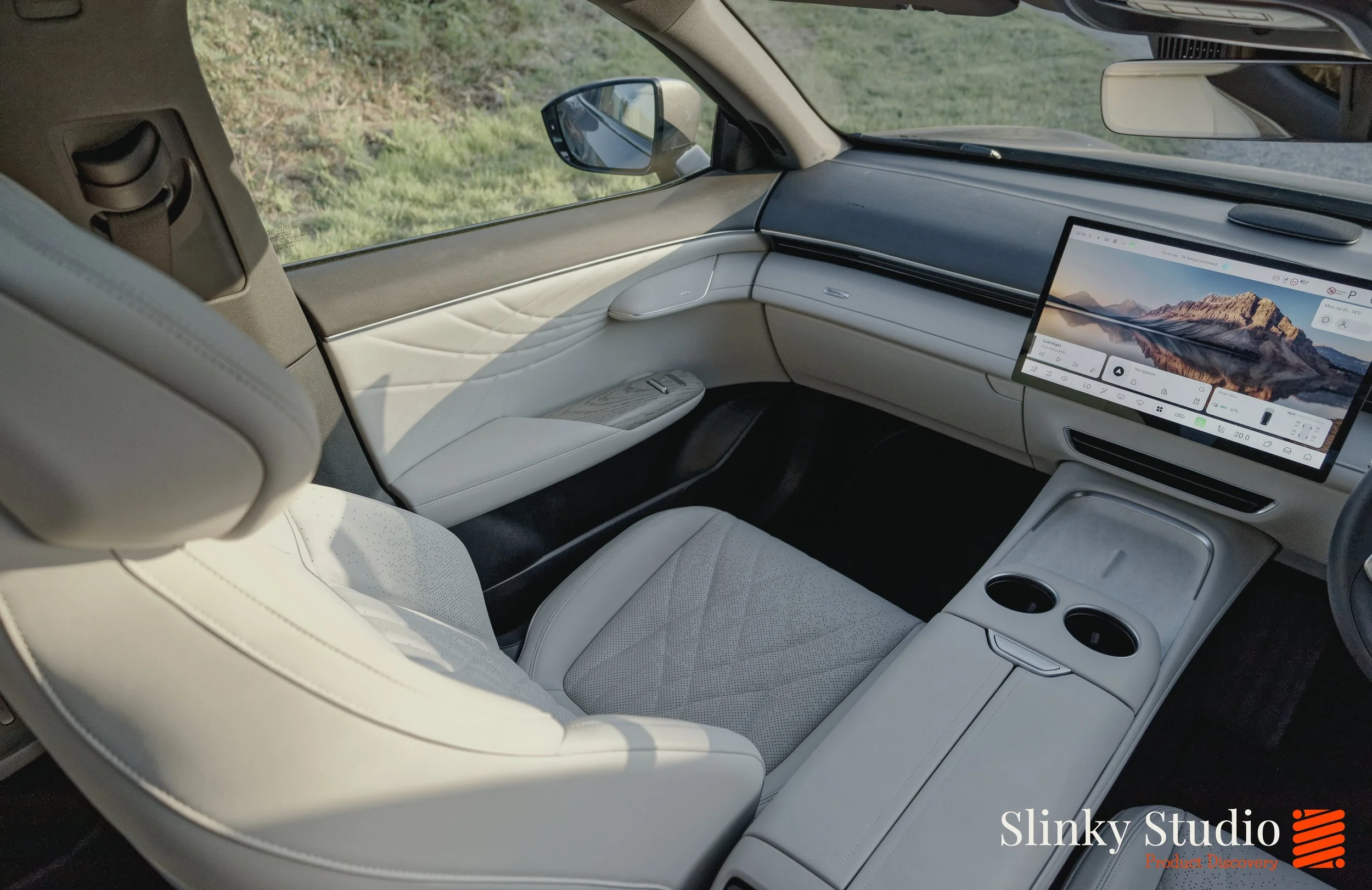
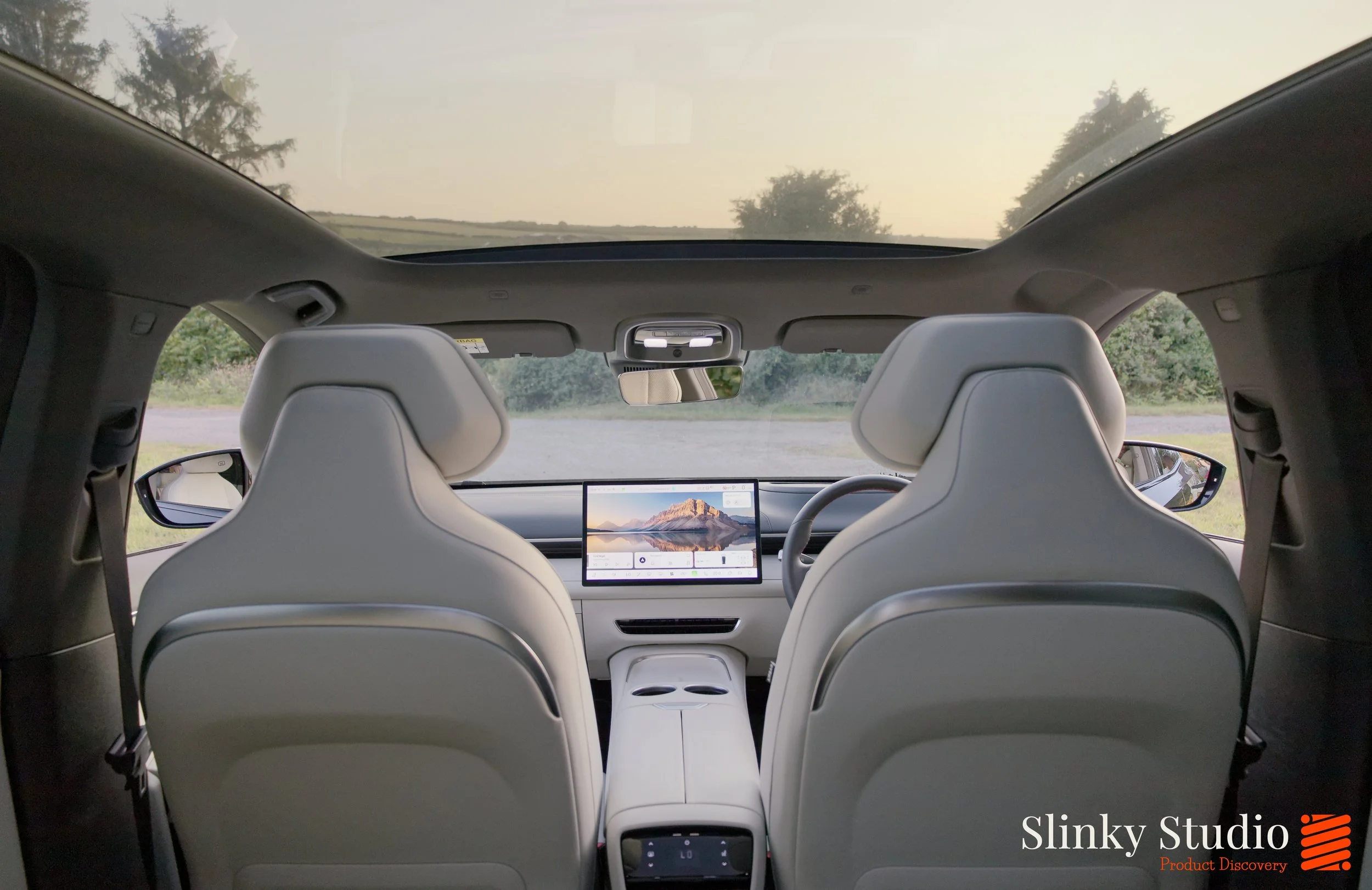
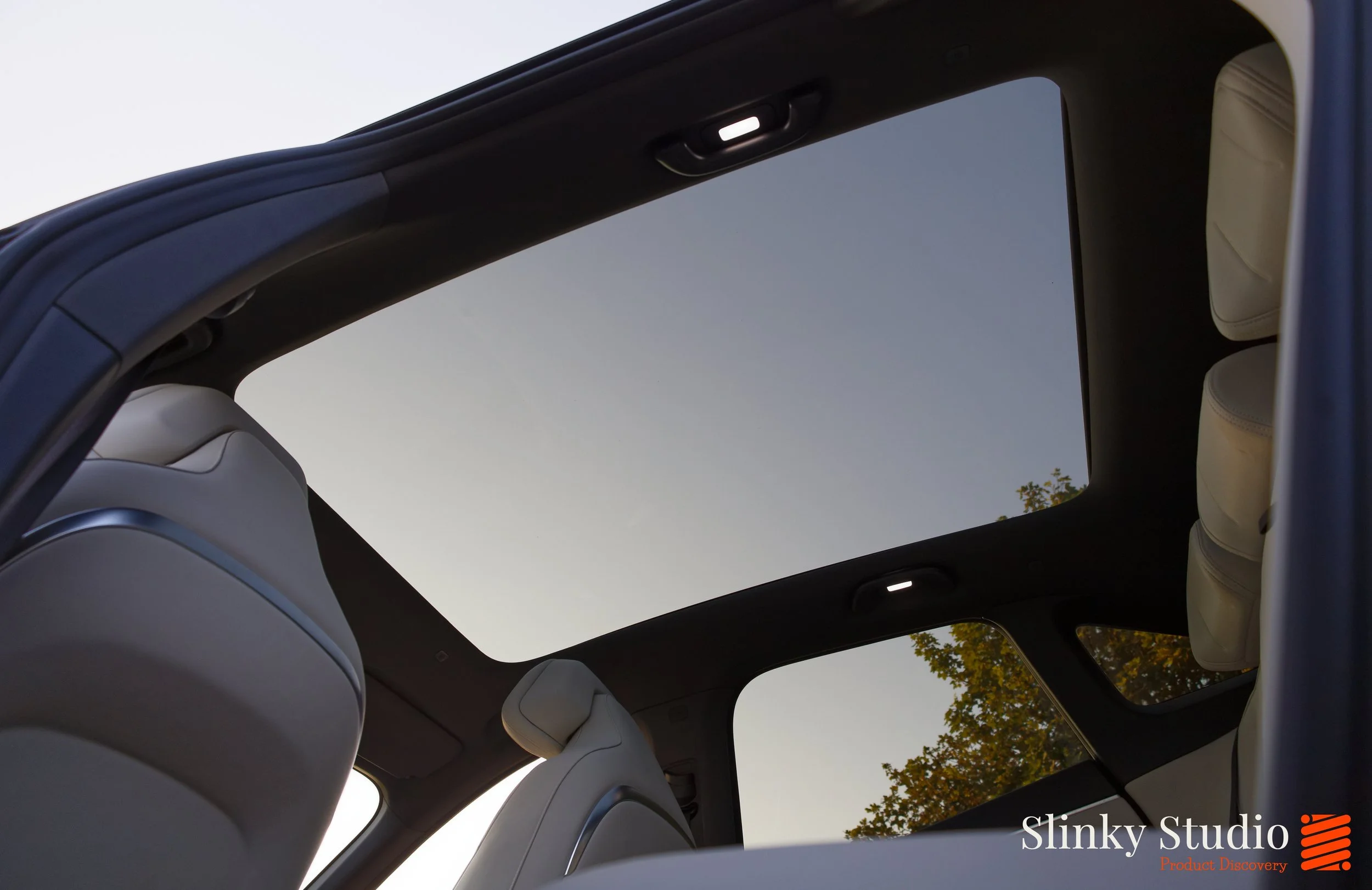
The lighter white shade is the one to get; there's also orange and black. However, swinging into the front with the white interior welcomes you to a cocoon of visually obvious high quality and well-designed presence; soft touch pieces scattered throughout the cabin, with cushioned armrests and door cards with stitching details. On top of this, there's an abundance of standard equipment: a central touchscreen, a 15.6-inch rotating display, augmented reality head-up display, heated and ventilated front seats, a heated steering wheel, a panoramic roof and a 14-speaker Sony sound system; all these are standard with no need for options other than which interior colour you'd like, so it leapfrogs all the mainstream, volume-brand competition like the Peugeots, VWs and Kias of this world. This is quite a surprisingly luxurious-looking and feeling place to be, front or back, aided by light that pours into the cabin via that panoramic roof in the day and ambient interior colour lighting at night.
The front seats are heated and ventilated and are substantial, with quality exuding from their materials. They're squidgy, with lots of padding and good side bolsters that hug you into place and make longer journeys feel lounge-like. The driver's seat offers height adjustment, while the passenger side does not. Many sat in the passenger seat of varying heights during our time with the S07, and no one mentioned it; it seems to be a good default position, but a strange omission nonetheless. We should admit we got this interior rather dirty during our period of testing, although it allowed us to make a discovery: this white colour, made from bioplastics and recycled plastics, is a vegan success story. It's easy to wipe clean and vacuum away dirt, so don't be put off lighter shades, as these kinds of materials are designed to cope with everyday general usage and mishaps.
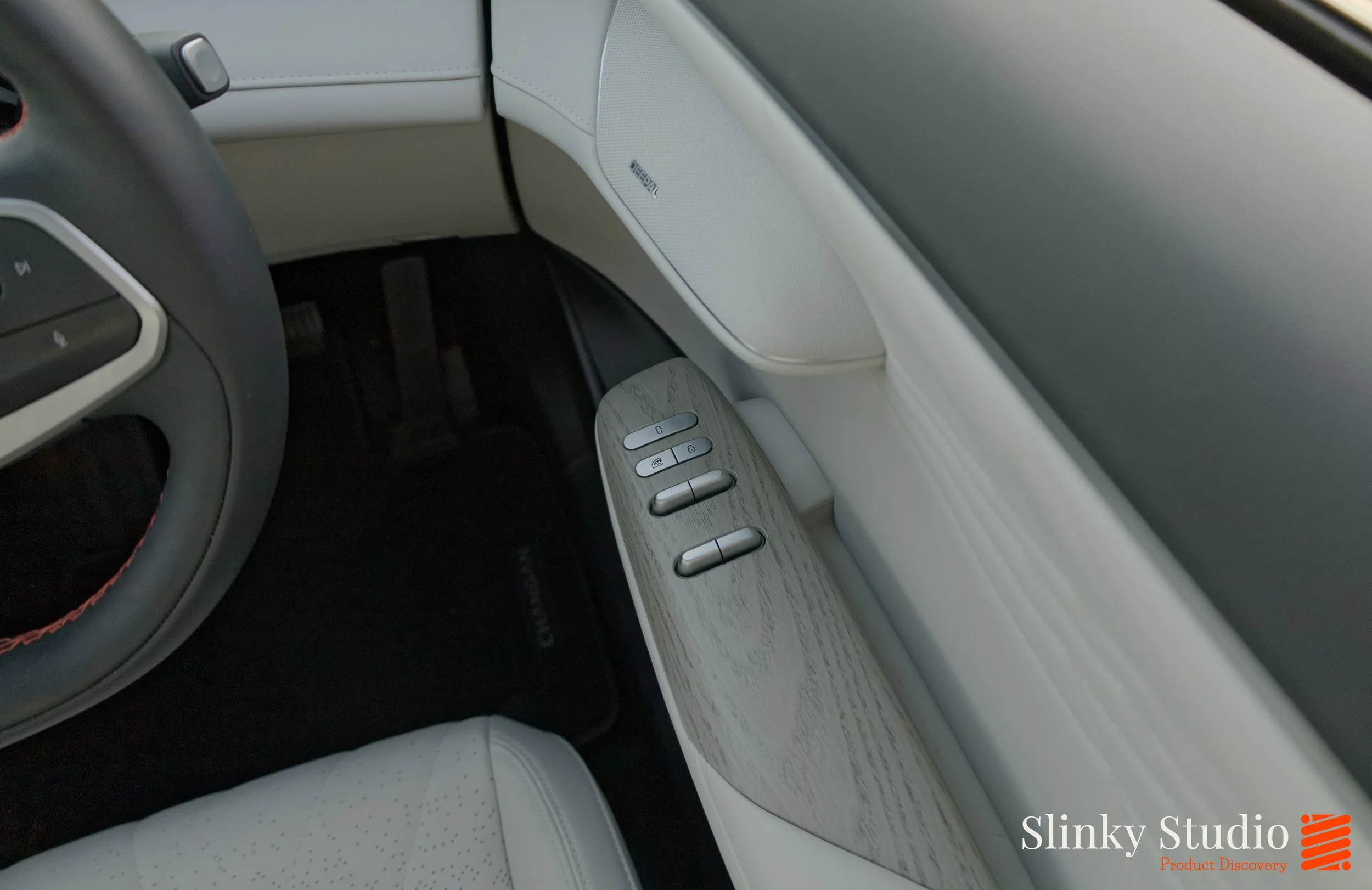
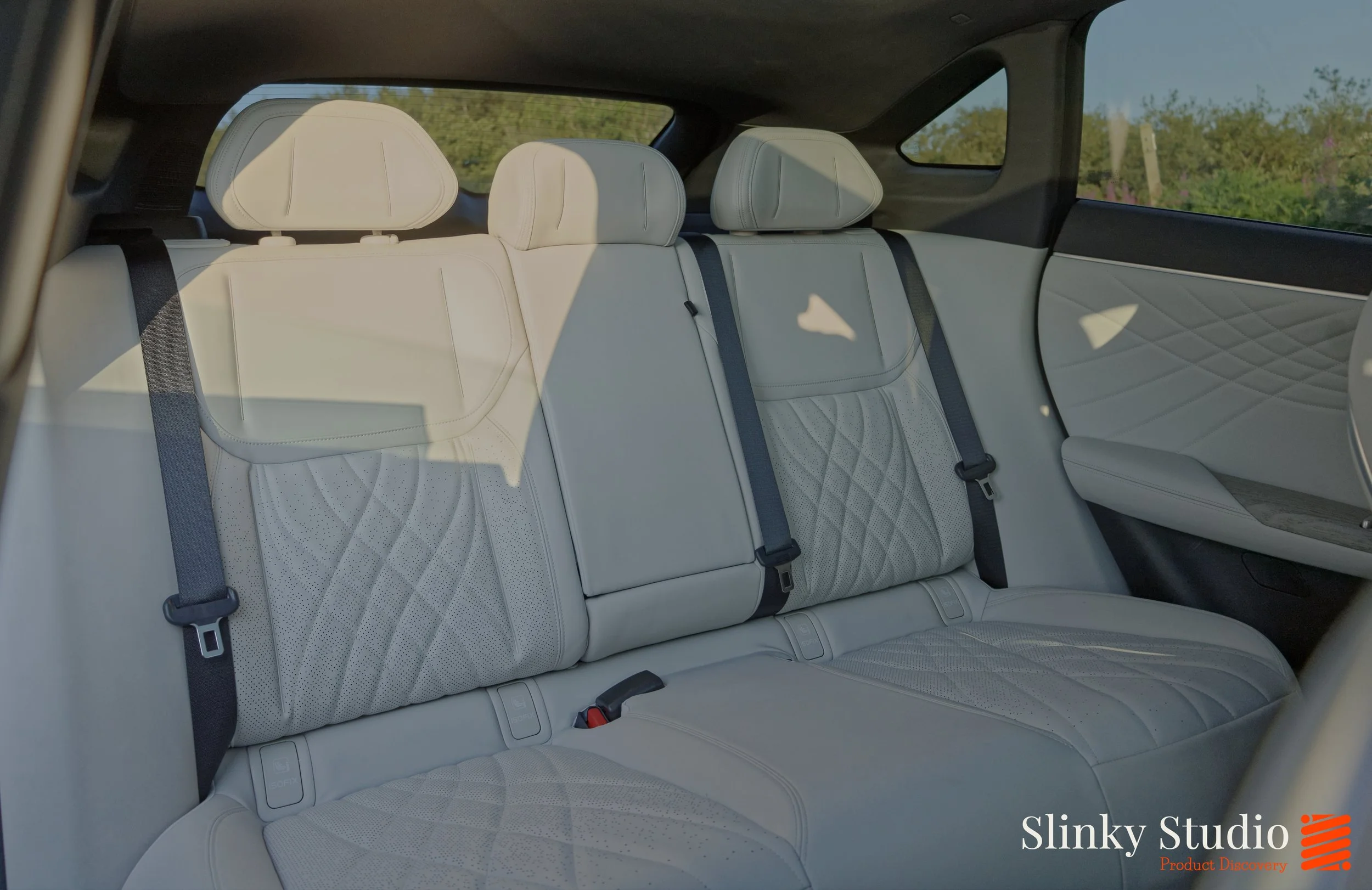
There are some quirks. For one, the window switches require a press forward to go down and back to go up, counter to how any other car we've been in does things. Cup holders in front are good, but the rear ones are too shallow, and we have seen bottles thrown out when taking sharper bends. As already mentioned, the rear also doesn't have heated seats like the front does, which is a bit of a shame. However, the comfort from the front showcases itself in the rear too; it's a nice place to sit on longer journeys, with the pano roof, lots of legroom and headroom. The central seat isn't the worst for width, as the car itself is wide and pushes the interior into it, and it's a flat floor too, so no awkward leg positioning. But the hardness, as so often with central seats, is noticeable on longer stints, less of a lounge and more of a perch once you've been sat there an hour or two.
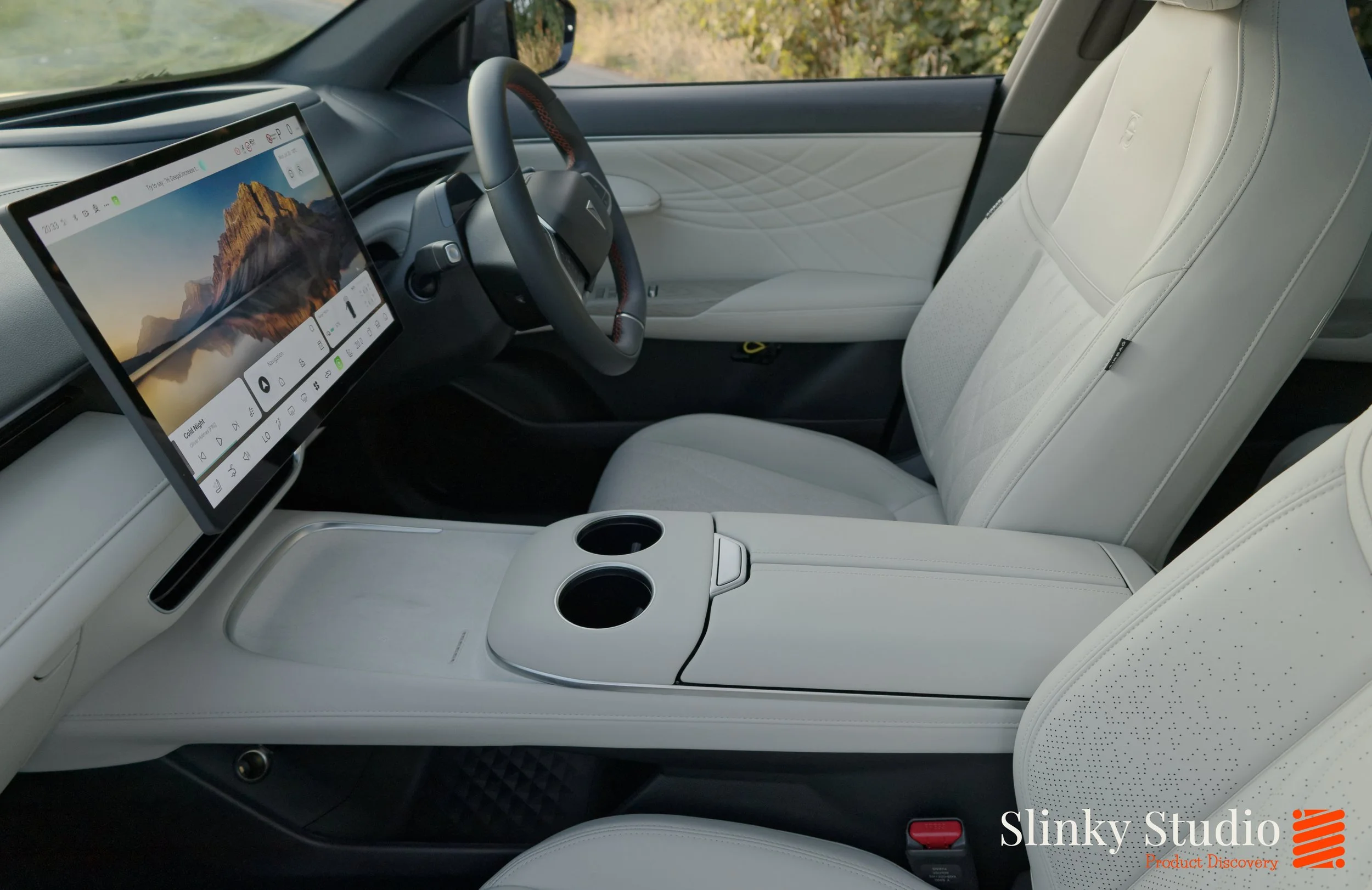
Its frunk, or front boot space, is massive. There's 125 litres of deep storage here, and on one occasion, with the rear seats folded flat and the entire boot completely crammed full, we needed to transport an accordion, which we discovered fitted neatly and securely inside the frunk. This was definitely the standout storage area. However, every side door bin will hold our water bottles, there's a central armrest bin which is cooled (ideal for your Coke cans), larger bags will happily fit in an open area under the central console, there are dual phone pads (but only one charges, and it cools your phone too), there is also a USB-C port under the console, along with an older style USB port, a glove box and magazine pockets on the rear seats. The boot itself is 510 litres with the rear seats up and expands to 1,385 litres with them folded, and we found it really practical and very easy to lift things in and out from thanks to the height.






Tech & Infotainment
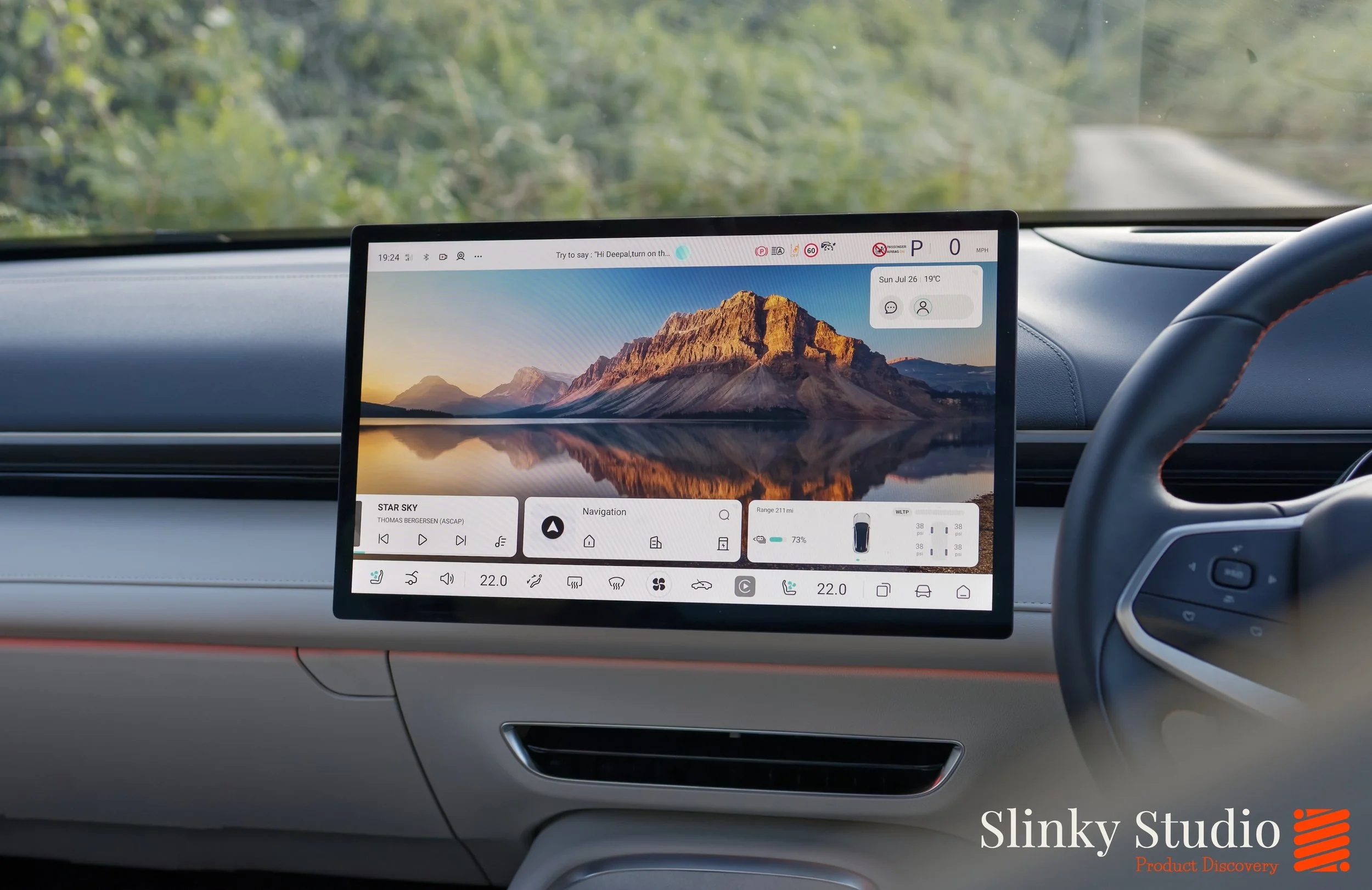
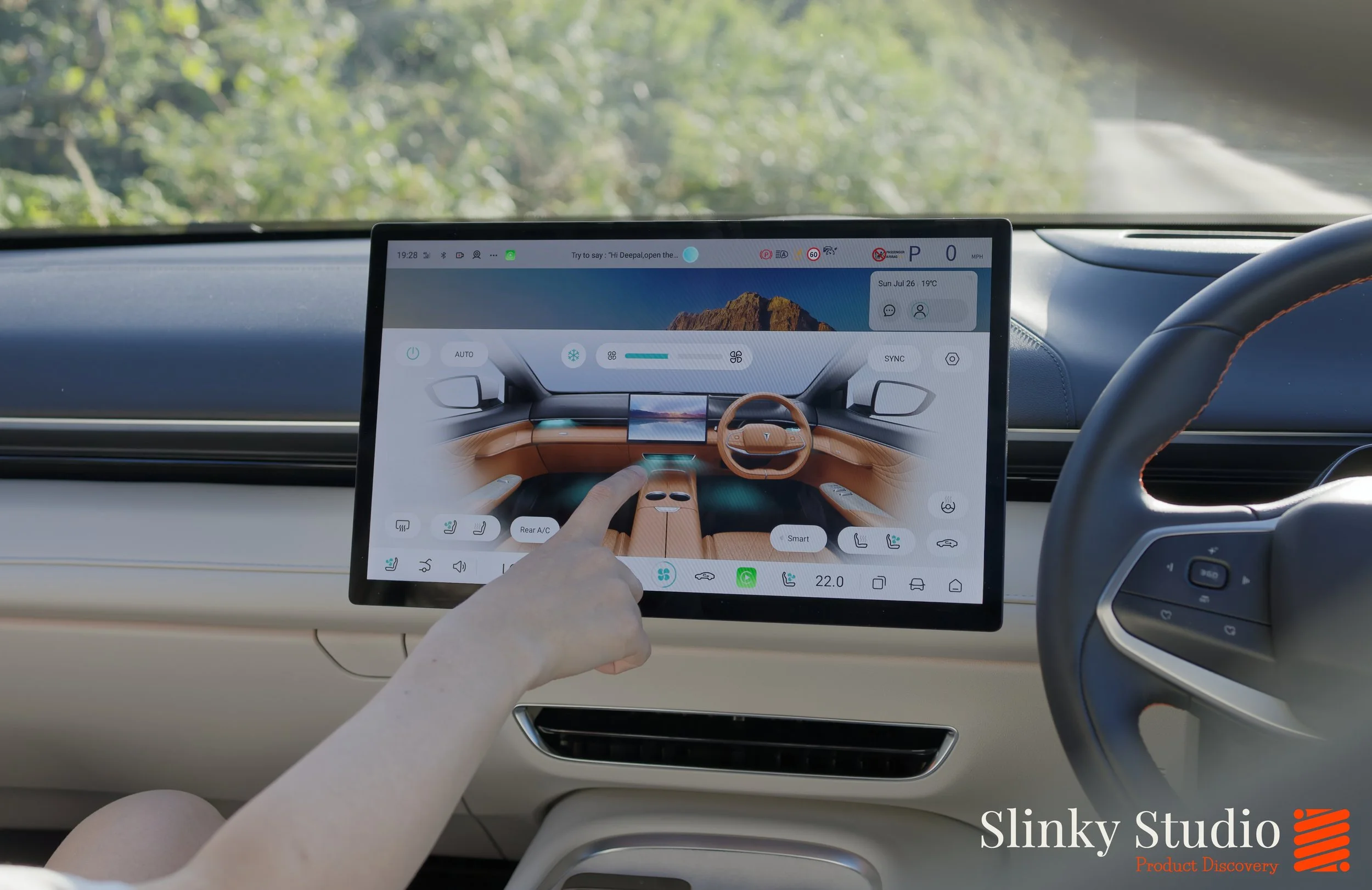
A 15.6-inch 'Sunflower' touchscreen gets its nickname due to the way it pivots itself towards the driver or passenger when getting into the vehicle. If, say, the driver leaves and the passenger remains, the screen will pivot towards them; it’s a quirky idea but actually something we began to really appreciate the more we interacted with it. That few degrees of extra pitch makes it far easier to reach and use to adjust the temperature, for instance, rather than just being a slab of glass facing forward.
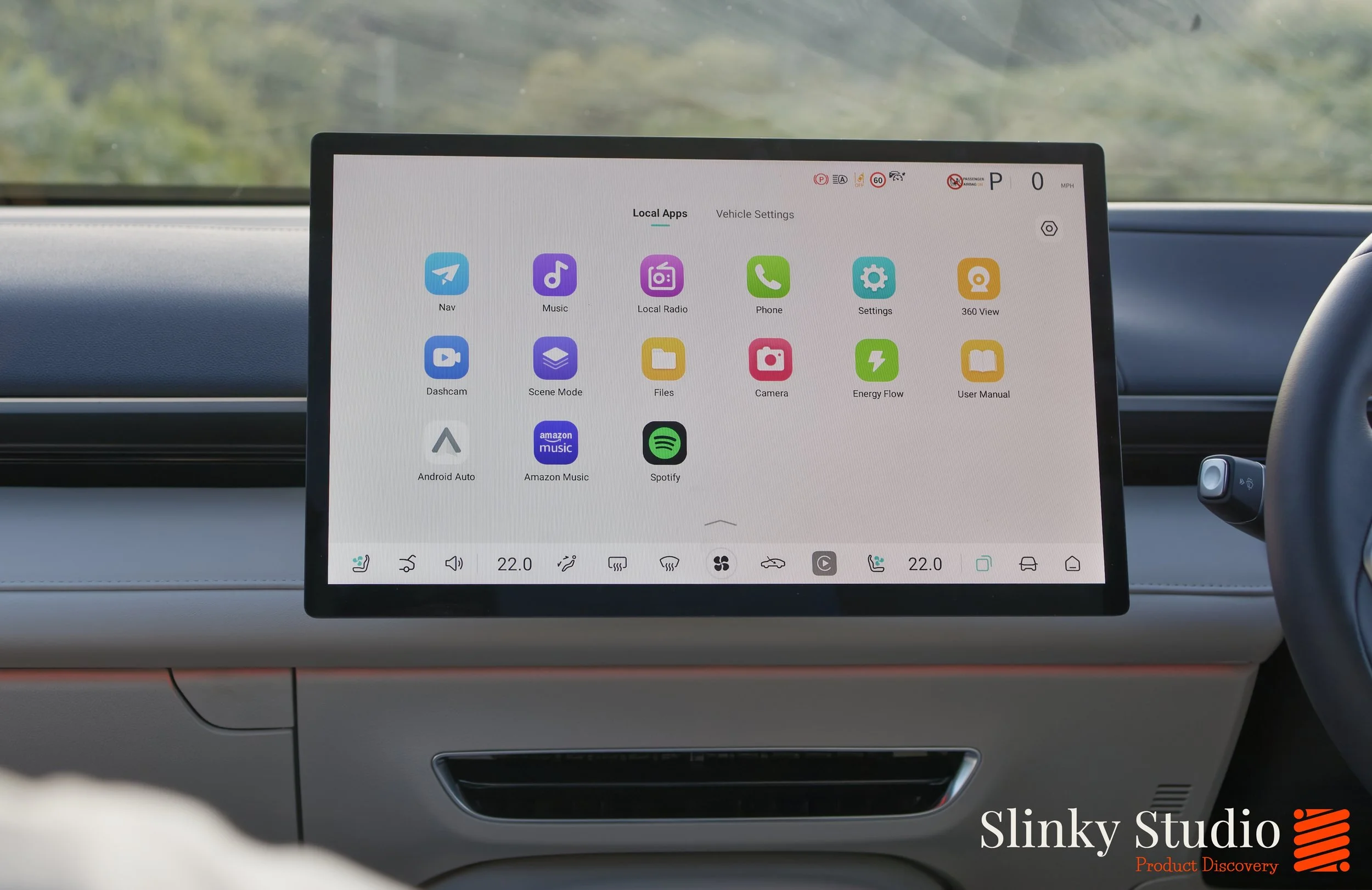
The operating system itself is generally well laid out and will be familiar territory if you've spent time in other EV infotainment systems; it's quick and responsive throughout. Wireless Apple CarPlay is faultless, pairing quickly every time without the fuss some systems put you through. Native navigation is decent too, nothing spectacular, but it works well enough that you're never left wanting for CarPlay's version instead. Voice commands for the sat-nav and general assistant fare well, understanding requests without much fuss. Where it falls short is in-car voice control, which is noticeably more limited than the XPENG G6's system. It wants far more robotic, set phrases to action things like climate or seat functions, rather than the more natural, conversational commands you can get away with in the G6. It works, but you'll find yourself learning its specific vocabulary rather than just talking to it as you might normally do.
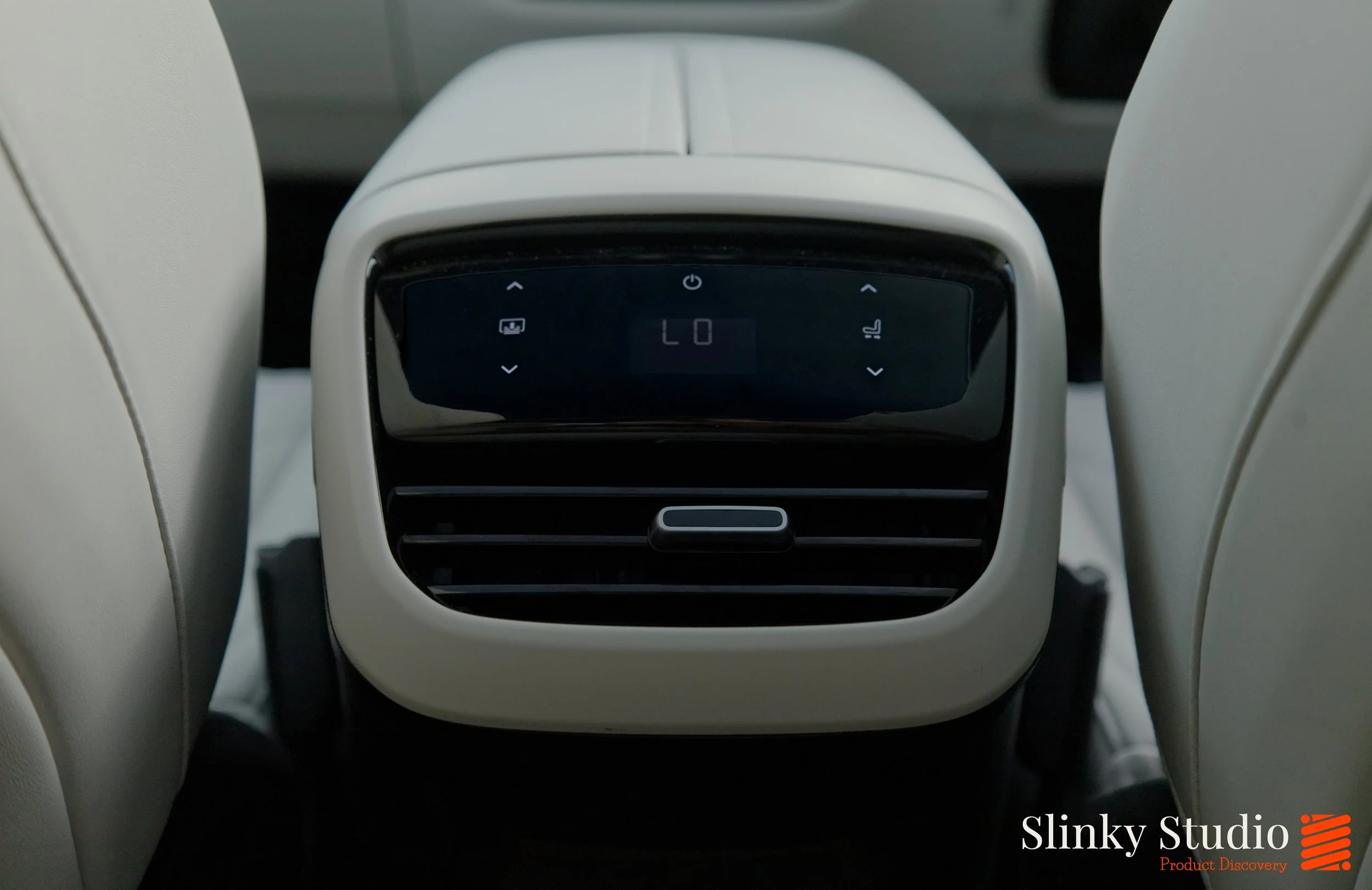
Despite the price tag, the Deepal S07 has features you just wouldn’t expect to see, such as a rear touch panel that allows for the adjustment of the passenger seat position, the blind for the panoramic roof, and climate temperature and fan speed. But there are no rear heated seats, which seems a shame considering how nice they are to sit in.
Unlike the XPENG G6, which had no HUD, the Changan Deepal S07 takes the opposite approach as there’s no driver’s display. We can see the logic of removing the duplication of data points, but to have this much confidence in a HUD it should really be better than this. It’s okay; some of us found it a tad jagged around the outer edges of text and symbols, and it only shows navigation for the default system, so not Apple CarPlay. We definitely find it a great deal easier to read speed and directions from a HUD as it’s effectively on the road, so we didn’t hate it, but it could definitely be better implemented.
Deepal's Sony 14 speaker sound system betters the one found in the XPENG G6, with a real soundstage that separates details in songs to give a 3D presence, and it's very good for spoken word content like podcasts too. A pretty nice all-rounder system, that copes just as well with a dense mix of instruments as it does with a single voice, and never sounds like it's straining wherever you sit in the cabin regardless of what you throw at it.
Underpinning all of this is a fairly comprehensive sensor suite for the money. The UK-spec S07 uses 16 sensors in total, 6 of which are radar-based, alongside a full set of cameras for the 360-degree parking view. It's enough to earn the car a five-star Euro NCAP rating, and in practice, the various assistance systems, adaptive cruise control,and traffic jam support, are tuned well enough that they rarely feel intrusive. One genuinely useful touch is the fact that, unlike most cars in this class, the S07 lets you configure all of these systems once and they'll stay in whatever state you left them the next time you start the car, rather than defaulting back to 'on' every single journey.
Range & Charging
We saw 3.51 miles/kWh with air conditioning on mostly, a genuinely strong efficiency figure that would theoretically work out to around 280 miles from the 79.97kWh battery. However, the car's own range readout was showing closer to 270 miles, noticeably a tiny bit short of both that calculation and Changan's own WLTP combined claim of 295 miles. It suggests the S07's range estimator isn't quite trusting its own efficiency numbers, or there's some conservative buffer built in that doesn't add up on paper. Nevertheless, good numbers from mixed driving on both country roads around Cornwall and also plenty of dual carriageway trips.
We charged only from our Cord Zero EV charger, mostly timed to catch excess solar generation rather than plugging in overnight, so we can't speak to real-world DC rapid charging in this test. Regardless, it's worth noting that on paper the S07's peak DC charging rate tops out at 93kW, with a 10-80% top-up taking around 48 minutes. One area which feels more like an EV from many years ago, definitely on the slower side for the class, noticeably behind the similar XPENG G6.
The Drive
The Changan Deepal S07’s general ride is very gentle and breezy. It's absolutely not a clanging setup, and on the open road it just cruises in quiet serenity, being surrounded by double-glazed windows and plentiful insulation in the body to showcase a cabin of just 65dB at 70mph on the dual carriageway. Enjoying all of this from the comfy seating, it just makes journeys really pleasant, and you arrive at your destination with little stress. Its tech plays a part in this lack of stress as the Cruise Pilot system is quick to engage and works well on dual carriageways, albeit it's less confident on single roads where the system hesitates and cuts in and out a little. Furthermore, the auto-steering is gentle and not too grabby. Auto headlights produce a wide field of view on high beam, but there's no active dimming zones or anything fancy, just simple auto-dip functionality called Smart Main Beam, which works well.
Curiously, the Deepal S07 takes corners and high-speed direction changes better than you'd expect for a crossover SUV. It's not attaining Polestar 3 heights, that somehow offer a sports car agility in an SUV package, but there's a genuine bit of fun to be had here. The stiff suspension and chassis setup are the reason why; the same firmness that makes potholes and speed bumps felt through the whole chassis rather than absorbed at each corner also means there's very little body roll or wallow when you push on into a bend. It's not a major trait of the car, but it's an interesting contrast to how light and unassuming the S07 feels the rest of the time.
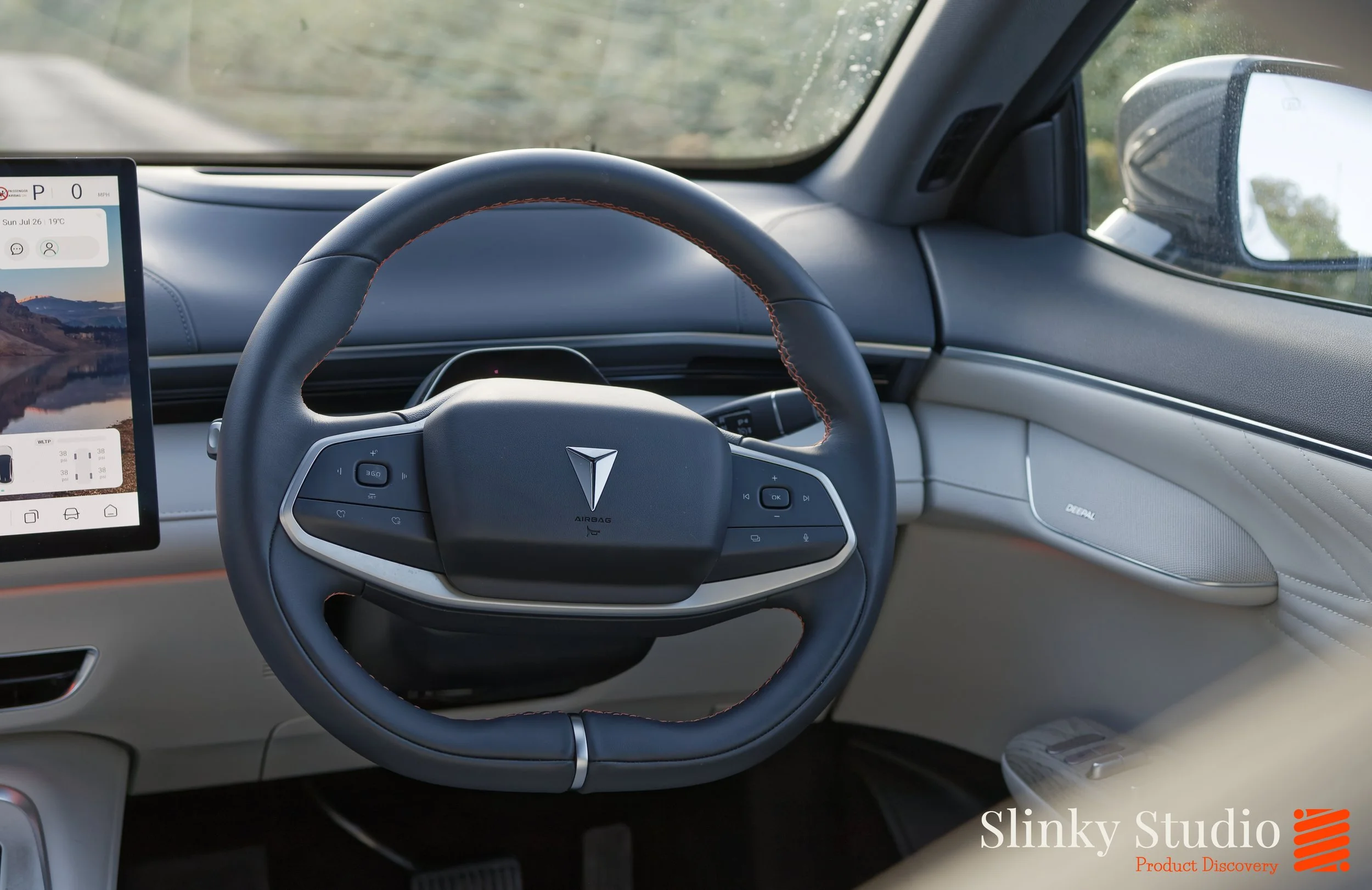
We really liked the steering wheel; it feels good in hand, and the Sport steering setting is our preferred mode, as the other modes gave the impression of being too loose, whereas this mode isn’t overly stiff but just tightens the feel nicely. Manoeuvring around tight car parks and narrow country lanes, that extra weight and precision with the Sport steering made it far easier to place the car accurately, something the lighter default setting never quite gave us the confidence to do. There is also is a Sport Mode as one of the three driving modes, which sharpens throttle response compared with Comfort, and does provide a little more enthusiasm in your drive. 0-60 time is still around 7.9 seconds regardless of mode, and moving acceleration is, like most EVs, more than enough and will certainly get you out of tight spots and quick overtakes.
Regenerative braking sometimes comes in a few levels; on the Deepal S07 it technically has 100, and that's because you adjust the level of regenerative braking via a slider on the central touchscreen between 0-100. We like regen, so had it cranked to 100 at all times, and felt deceleration even more heightened when driving in Eco mode compared to Sport or Comfort, although even maxed out like this, we thought it could have less travel still. There are more aggressive regen systems, like on the Genesis GV60 and Polestar 3, but don’t get us wrong, it’s in no way almost non-existent like on so many Stellantis cars, and the Changan implementation here is good, but just doesn't bring the car to a complete stop.
Verdict
The criteria for a vast swathe of the car buyer market is found inside this Changan Deepal S07. It's not a clean sweep: the design is a tad derivative, the regen braking doesn't bring it to a complete stop for true one-pedal driving, and its charging speeds are behind the class leaders if you're relying on public rapid chargers.
But then again, it's definitely great value, and some of the offers running make it even better. To get this level of interior quality, comfort, range and features, you’d typically be looking at something several thousand pounds more expensive from a more established name, and even then you might not get the panoramic roof, heated and ventilated seats, 360 cameras, electric power gate and huge touchscreen (which actually works really well) all thrown in as standard rather than an options list afterthought.
All things considered, this is one electric SUV we'd genuinely shortlist for ourselves, not as a caveated 'good for the price' pick, but as a car that stands on its own merits against the established names. Changan’s first venture into the UK market is fascinating; if the S07 is any indication, this is a brand worth watching closely.