RheoFit A1 Roller Massager Review
Like so many products being released, the RheoFt A1 is another that claims to have AI pushed into it. Whether or not an AI-powered roller massage actually adds a benefit remains to be seen, so we’ve been getting up close and personal with this device to understand why it has been made and whether it’s beneficial for £315.
Design
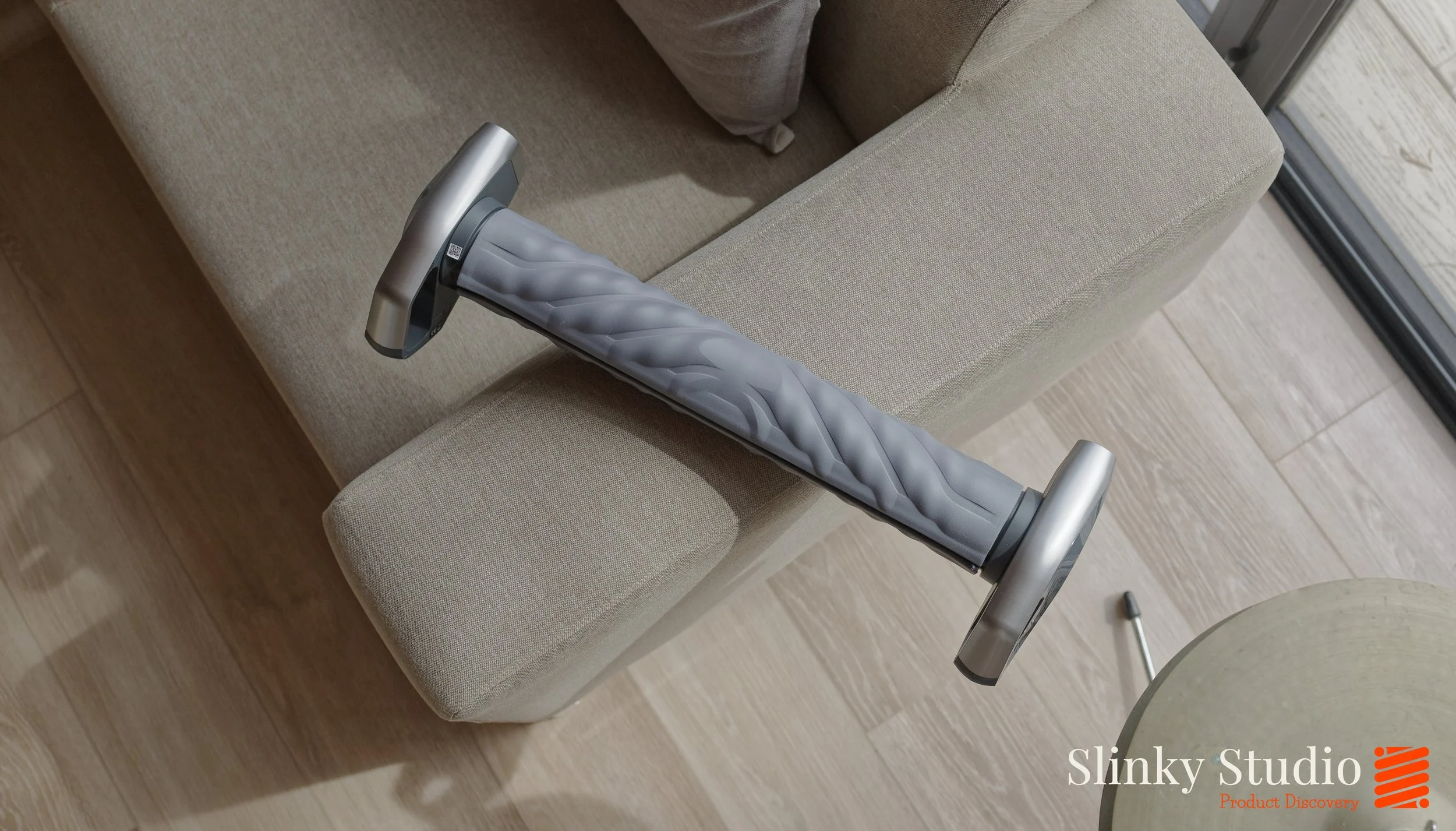
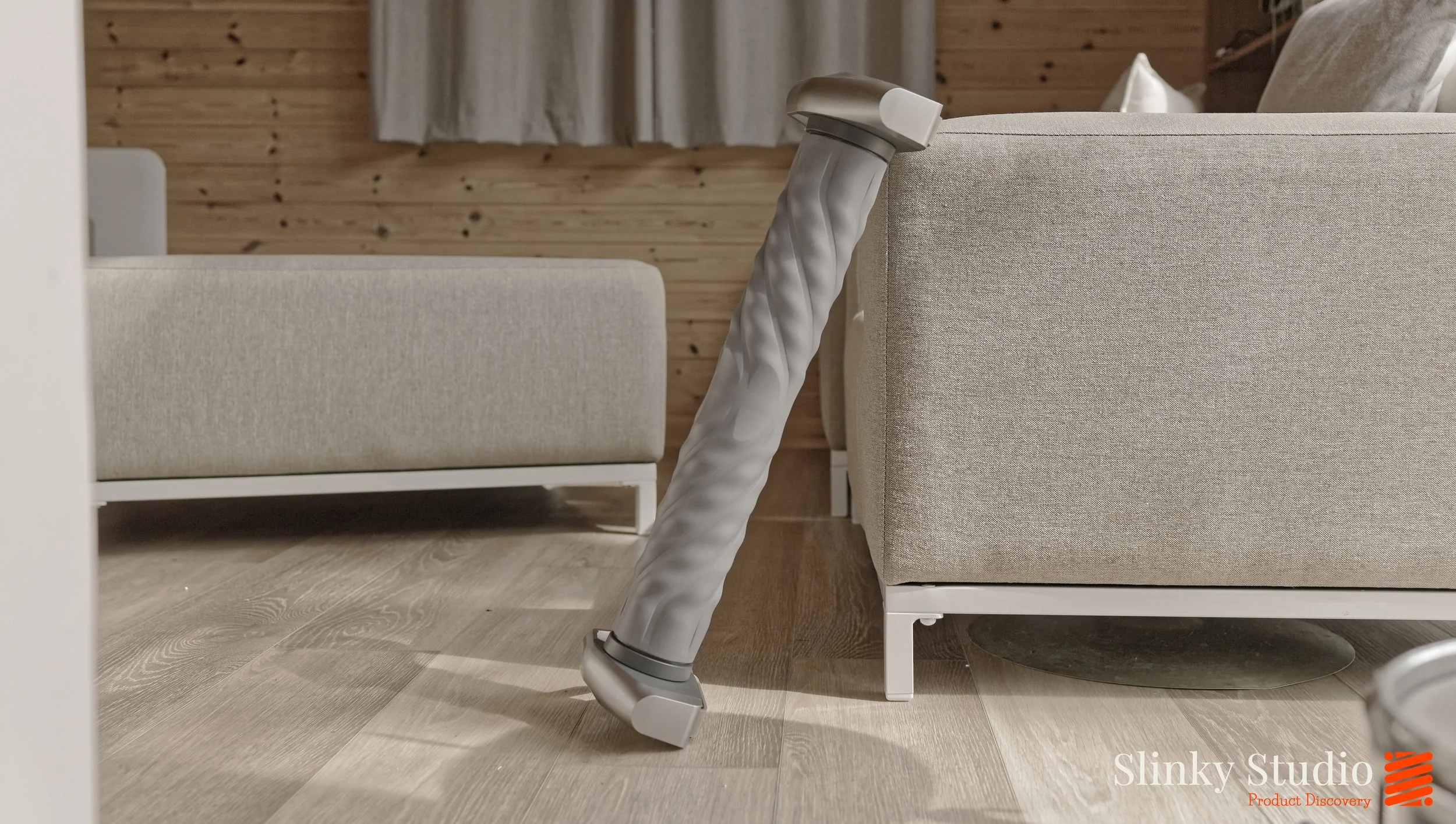
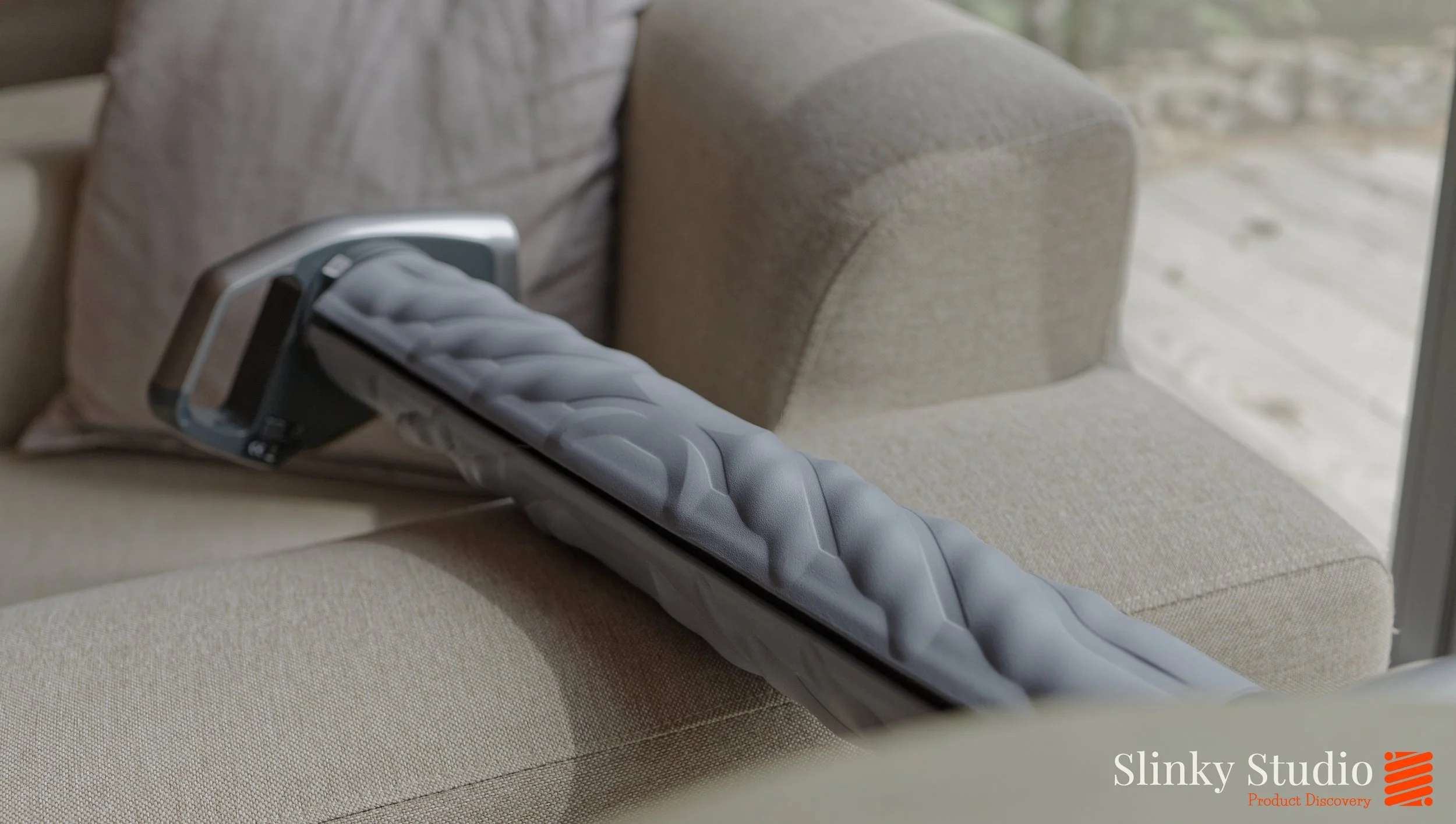
Strength is the word that sums up the RheoFit A1. There's no creak or flex as it rolls beneath your back, lifting and supporting your full body weight without so much as a hint of strain. We've run it across both hard flooring and carpet, and it handled either surface without stalling or losing traction, which says a lot about the build quality underneath.
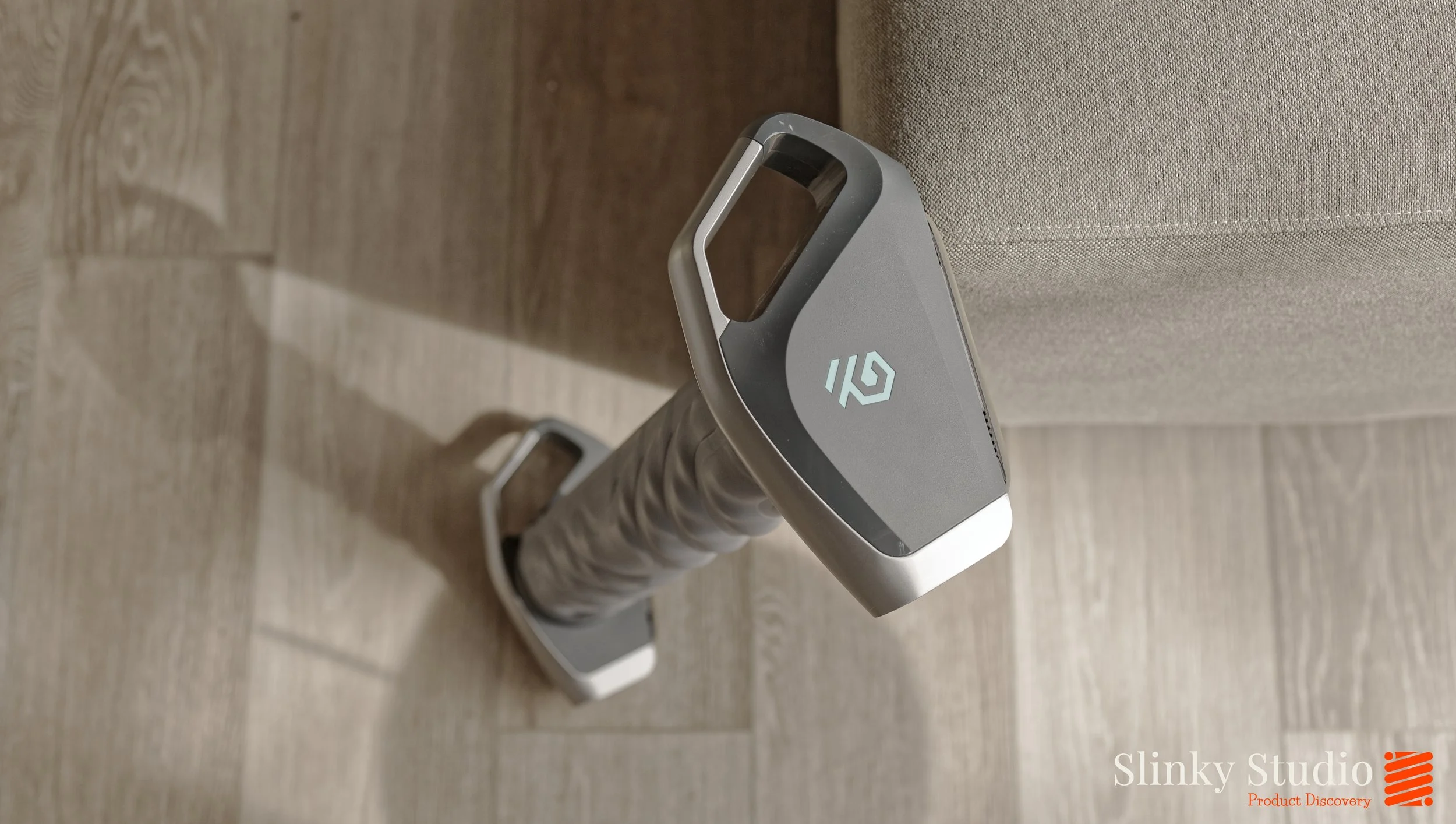
In terms of looks, it's a long, low-slung roller unit rather than anything gadget-like, with the emphasis clearly on function. A handle sits at either end, making it simple to pick up and carry between rooms or reposition mid-session without breaking your flow. At 575mm x 204mm x 108mm and just 2.45kg, it's light enough to move around one-handed despite feeling so solid.
It's IP44 rated, so light splashes and everyday moisture aren't a concern, useful if you use it in the bathroom or tend to work up a sweat while using it. Charging is via USB-C on the side, and RheoFit claims up to 360 minutes of peak runtime. That figure is genuinely hard to pin down in real-world use given how short each session tends to be, but across a week of regular use we still had more than half the battery left, which suggests the claim isn't far off the mark.

Does it Work?
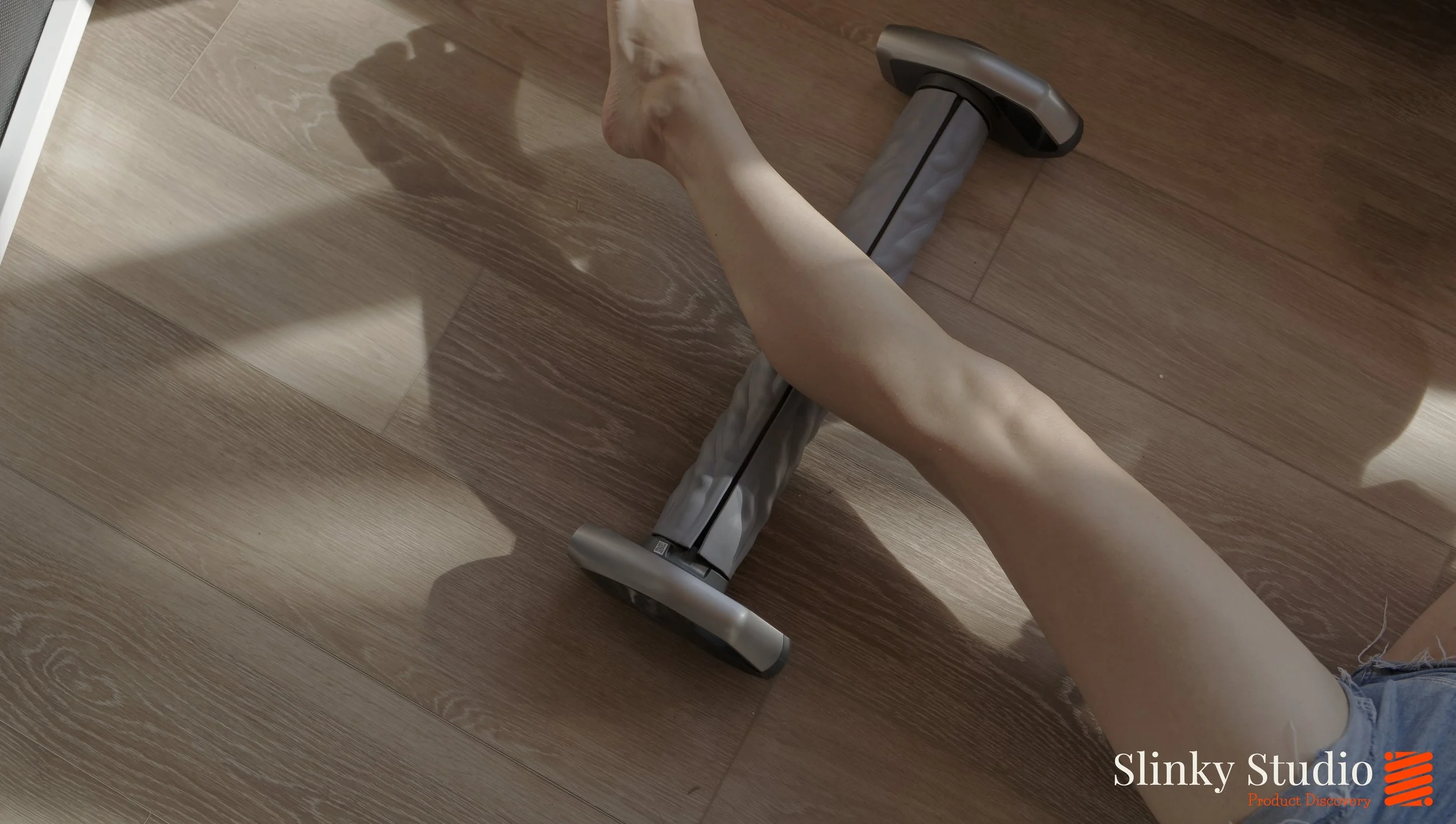
We put the RheoFit A1 to the test with genuinely tired legs. A run of regular badminton sessions left us with the usual mix of tightness through the outer thighs and calves, the kind of deep muscular fatigue that a foam roller only half solves. It seemed like the right proving ground for a massager that claims to do the thinking for you.
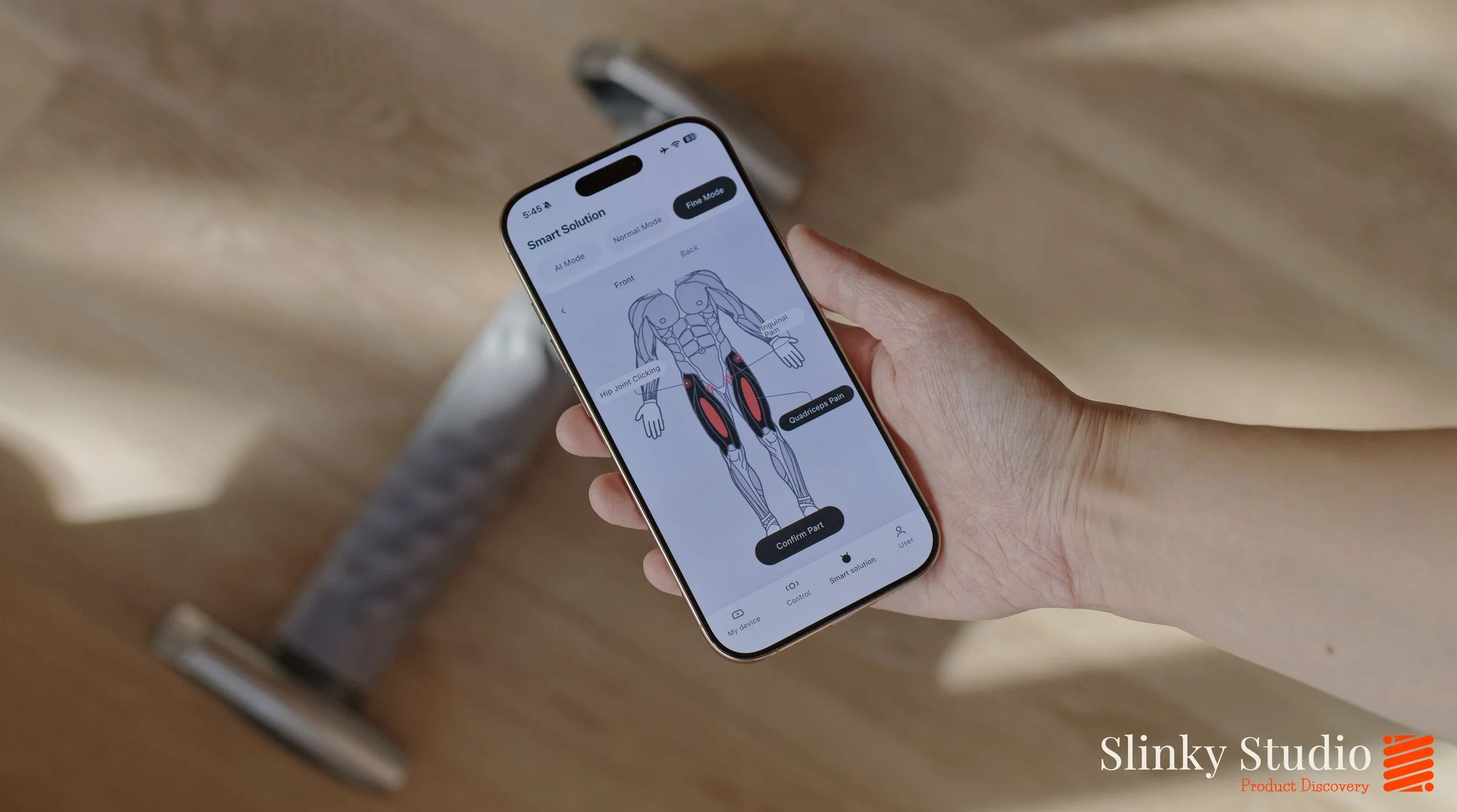
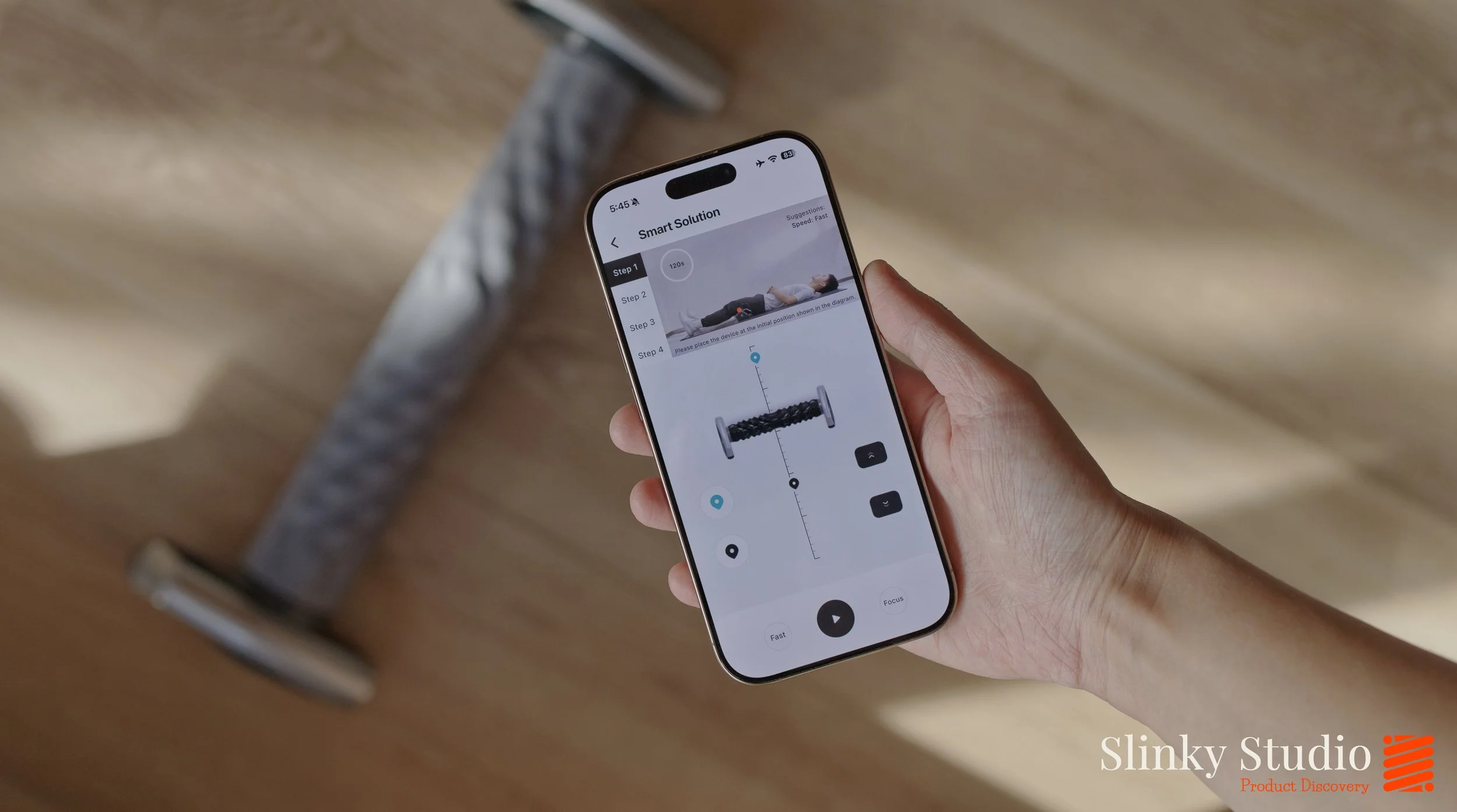
The first thing that stands out about the RheoFit A1 is how little there is to actually operate. There's a single power button and nothing else on the unit itself. Every bit of control lives in the RheoFit app, which pairs instantly and presents a simple body diagram. Tap the area you want to work on and the device zones in accordingly, switching from broad coverage to a more focused pattern for that specific region.
Once a zone is selected, the robotics take over. The app allows a small amount of manual adjustment, most usefully travel distance, which is a genuinely useful inclusion for taller users working on legs or back where a longer stroke makes a real difference. The standout feature, though, is Focus. As the RheoFit passes over a spot that needs more attention, a lingering knot or a stubborn patch of tension, you simply tap Focus while it's sitting on that point. It then works back and forth in small increments until you're satisfied, at which point tapping again hands control back to the original programme.
Against our post-badminton legs, this is where the RheoFit A1 earned its keep. The calves and the sides of the upper leg, the areas that take the brunt of repeated lateral movement on court, felt noticeably looser afterwards. Legs that had felt heavy and reluctant before the session felt light and unchallenged once it was done. As deep-tissue relief goes, it's convincing.
The two supplied attachments, ProDeep and LightDeep, tell their own story. We found ourselves reaching for LightDeep almost every time, with ProDeep feeling like a level of intensity better suited to serious muscle mass or entrenched knots than everyday recovery. Fitting either attachment is a genuinely two-handed job, and once it's on, it isn't coming off easily. That's clearly by design. A quick-release or magnetic system would be more convenient, but it likely wouldn't survive the forces this device puts through it.
The App
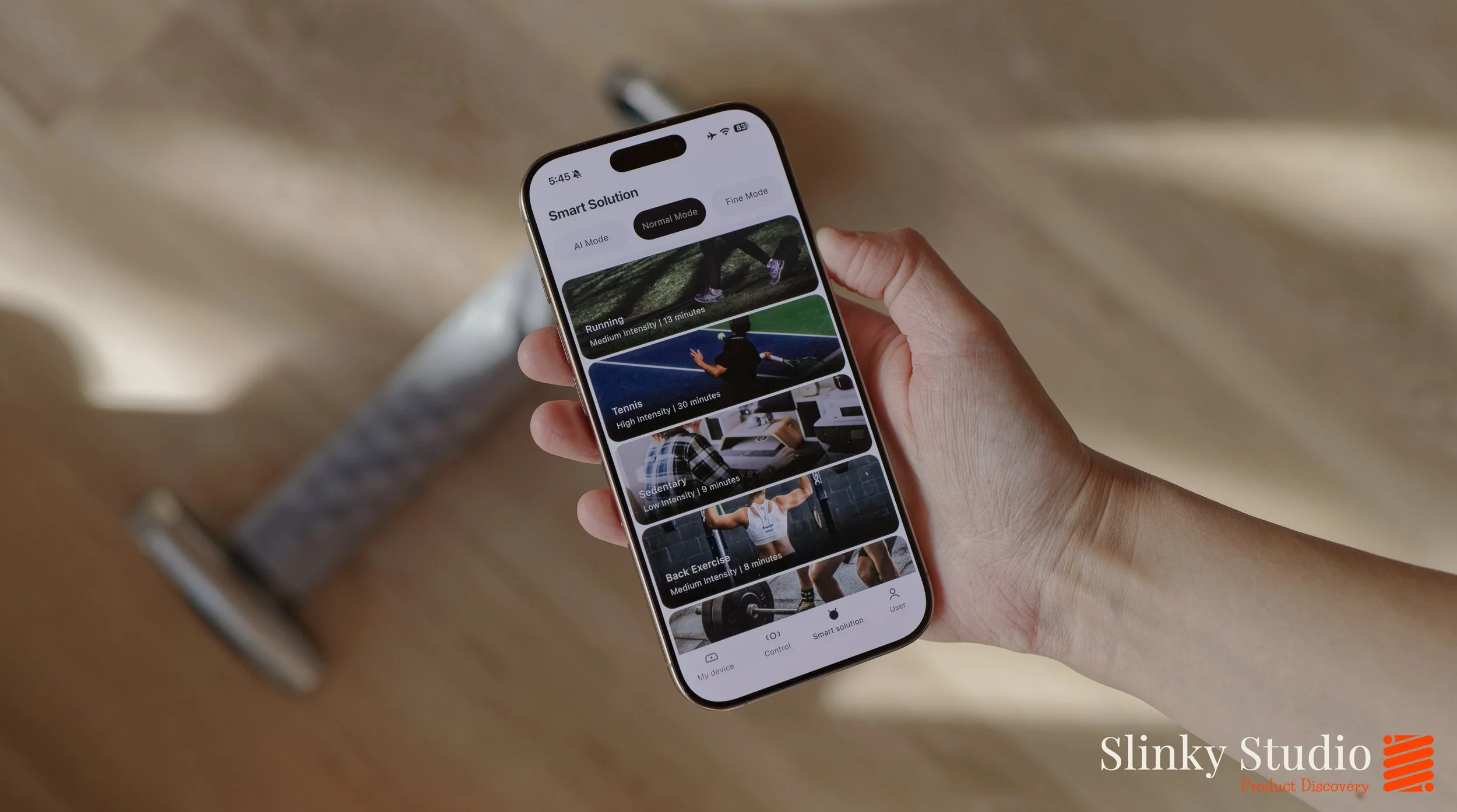
The RheoFit app, available on iOS and Android, is really the brains of the operation. Pairing takes seconds, and from there you're choosing between three ways of working. Free Mode lets you roll the unit up and down wherever you like, no programme attached. Activity Mode offers a set of therapy routines aimed at the strains particular sports leave behind. AI Mode is the clever one, running a body-scan to build a stiffness map and adapting in real time to where you actually need attention, rather than following a fixed sequence.
Underneath all three sits a total of 84 massage nodes, which goes some way to explaining how precise the Focus feature feels in practice. With more than ten programmes on offer, there's enough variety here to stop recovery becoming a chore.
One thing we couldn't confirm is whether the app supports multiple paired smartphones, useful if the RheoFit ends up shared around a household. Worth checking directly with RheoFit if that matters to you.
Verdict
At £315, the RheoFit A1 sits in a price bracket where it has to prove its recovery and fitness framing is more than marketing. On balance, it mostly does. The build is genuinely capable of supporting real body weight without complaint, the app's Focus feature translates into a tangible difference against real muscular fatigue, and the AI Mode's stiffness mapping gives it an edge over a standard fixed-programme roller.
It isn't without quirks. The ProDeep attachment is more suited to serious muscle mass than everyday use, swapping attachments is a two-person job every time, and we still don't know whether the app plays nicely with more than one paired phone in a shared household. None of these are dealbreakers, more things worth knowing before you buy.
For anyone dealing with recurring post-activity tightness, whether that's badminton, running, or a desk-bound back, the RheoFit A1 can lend a deep hand and you’ll be quick to think it earns its keep. It's a considered piece of recovery kit, perhaps one that suffers from another AI label stuck onto a familiar product, but after a few weeks living with it, it's the calves and thighs doing the talking rather than the marketing copy.