
Nicholson ROOFTRAK IFP250 Review
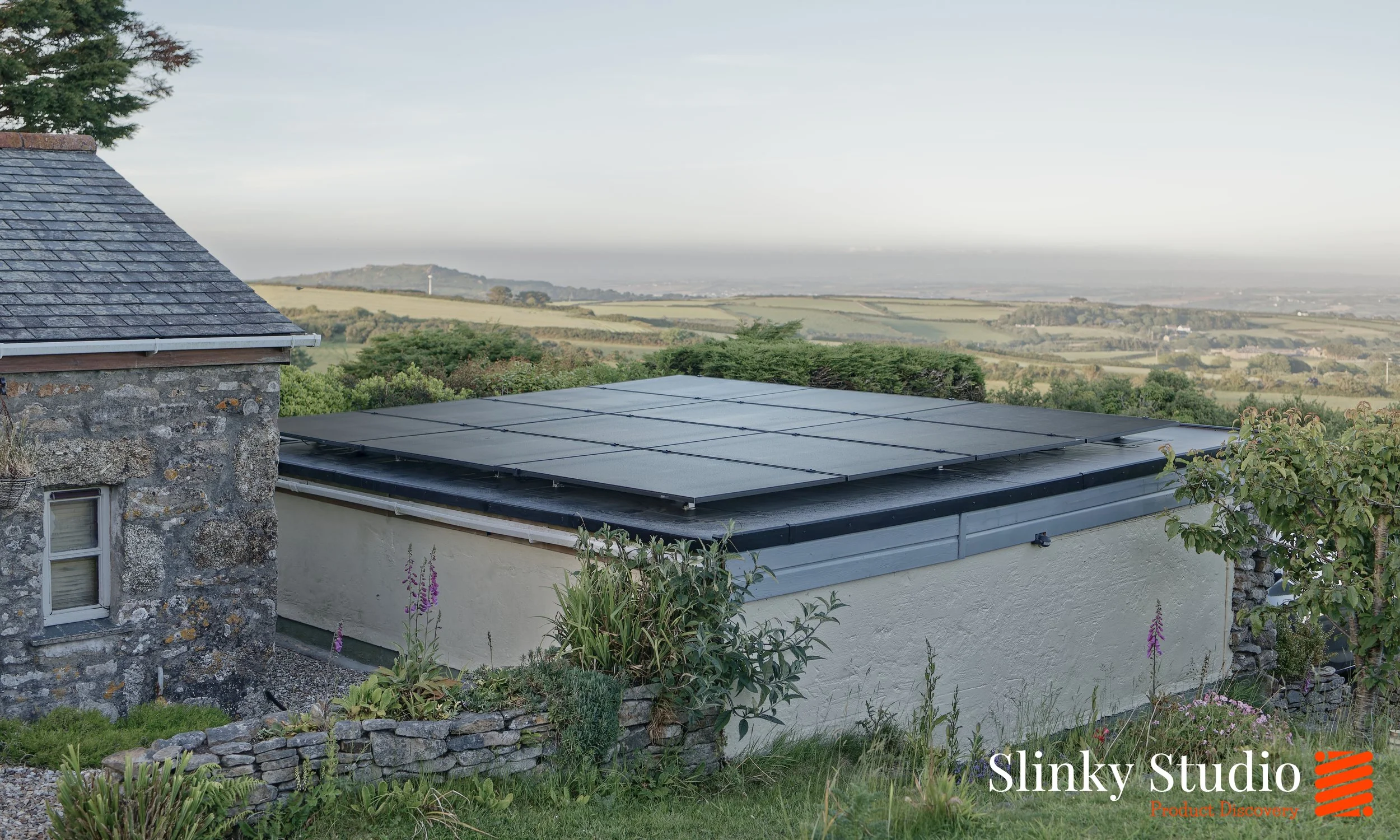
With soaring energy prices, we are all aware that becoming more self-sufficient in electricity production is becoming essential. This normally means having solar panels anchored to your roof, with all the risks of rain leakage and damage that can occur at the points securing them. Fortunately, Nicholson roof products have come up with a system that is guaranteed to keep everything watertight, particularly when securing to flat roof structures, and they promote this under their registered ROOFTRAK products, which we decided to use on our garage solar installation.
Design
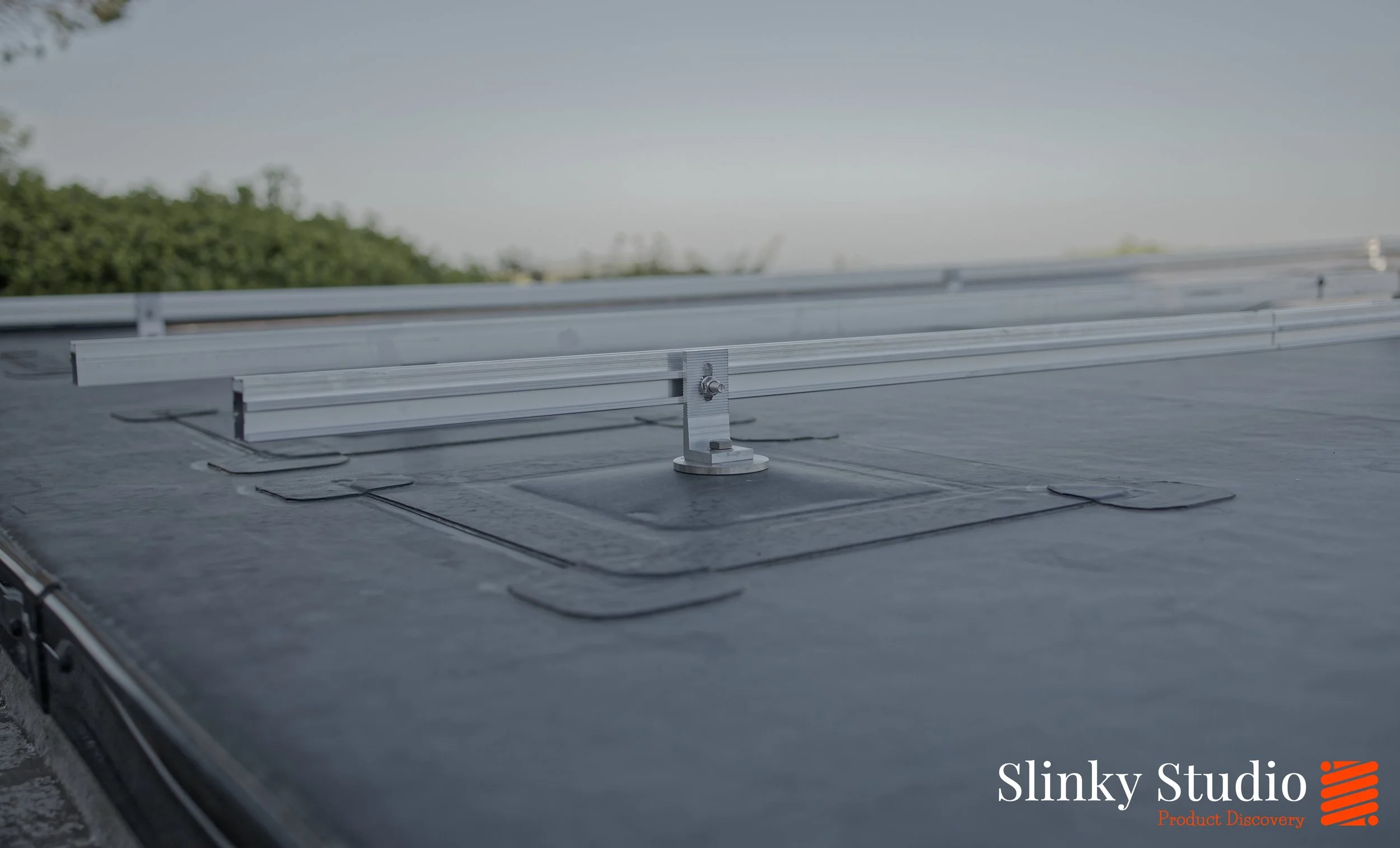
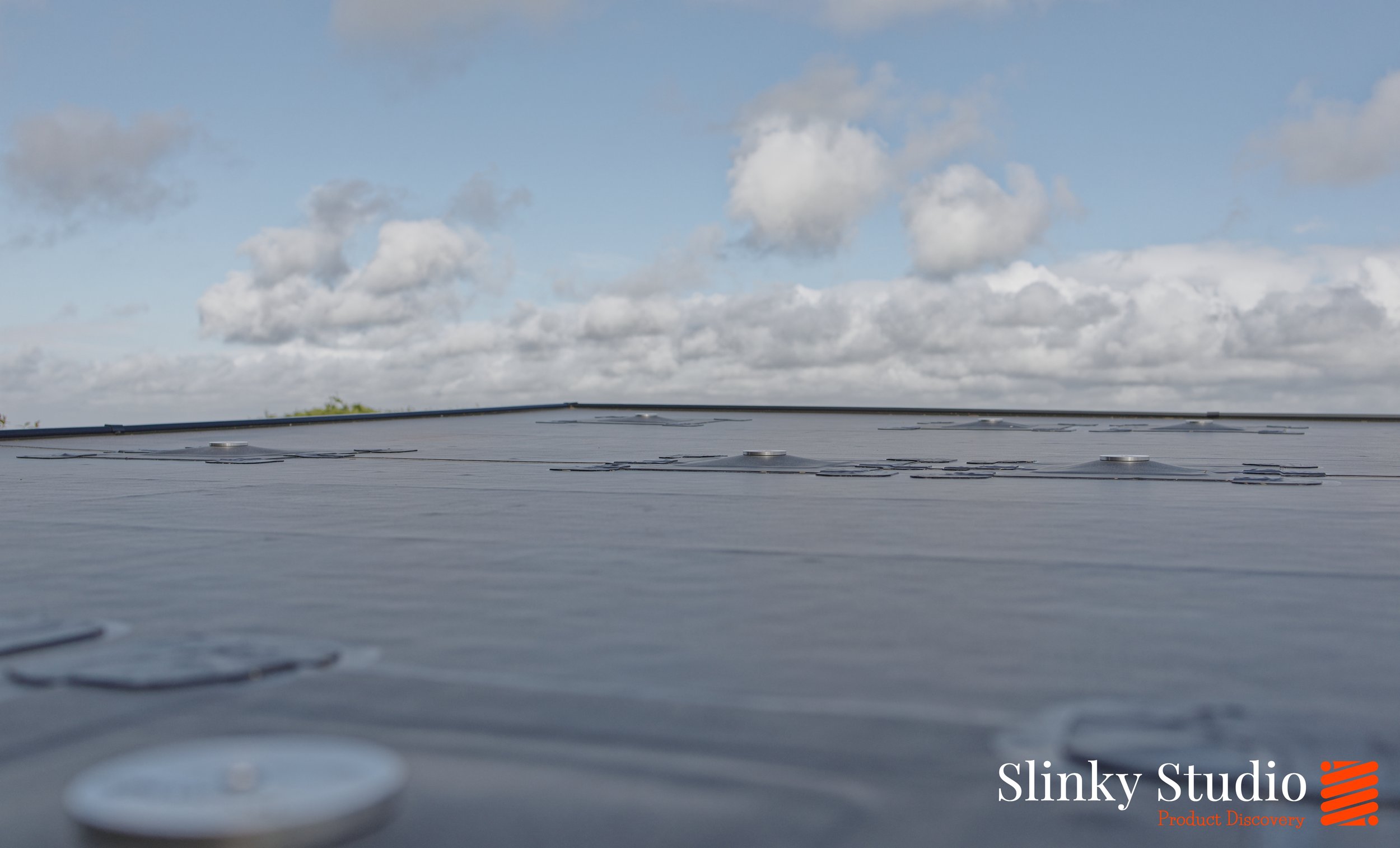
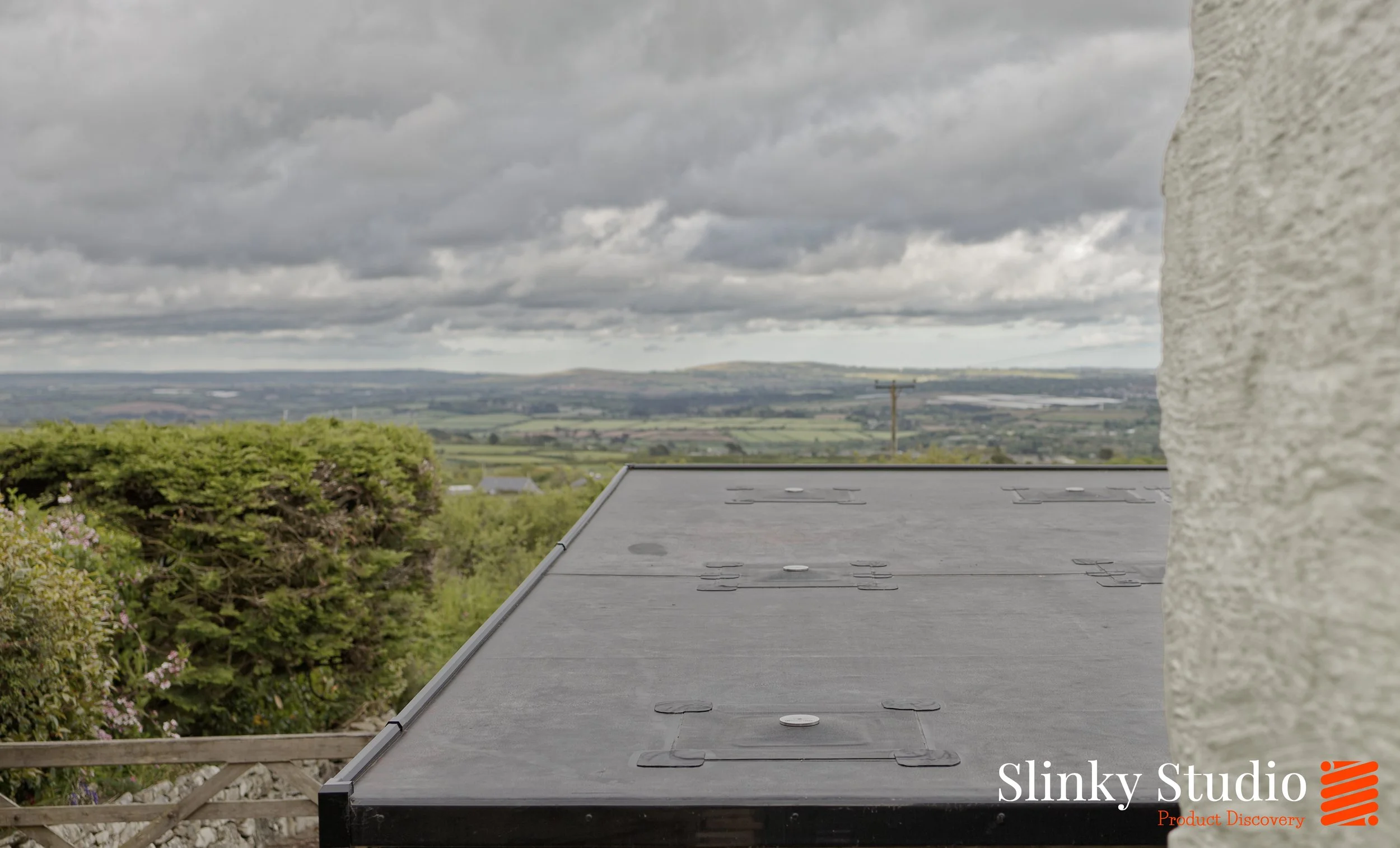
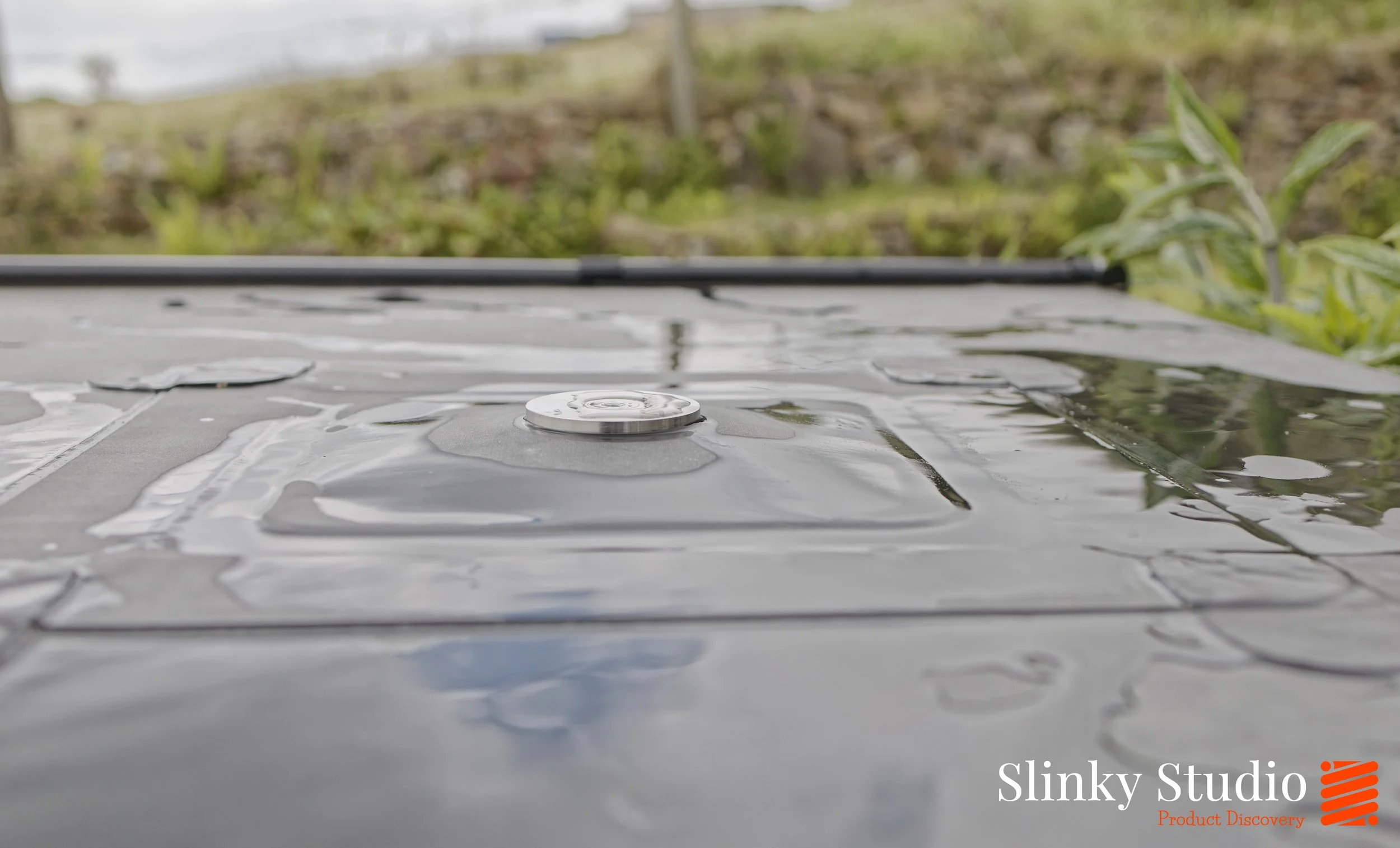
The Nicholson ROOFTRAK IFP250 brackets are intentionally designed to have a low profile, which is one of the first reasons we were attracted to them. We are fitting solar panels onto our garage roof and it is imperative that the sight line of the top of the garage does not rise higher than necessary because it would block our amazing sea views stretching across Mount’s Bay to St. Michael’s Mount. Despite the incredibly low profile of these brackets, at just 25mm in height, the construction is one of solid metal (2.7kg) plate with a 450mm square of roofing membrane factory bonded, thus making a completely secure attachment to the structure of a roof, whilst cleverly still keeping the original integrity of the weathering membrane it sits upon. They actually look good, particularly the stainless steel tops which have the threaded sockets for the bolts (supplied) to hold the solar rails down.
Worth mentioning here that these IFP250 brackets are also suitable for other projects such as cladding or roof signage, and although we are using them on a flat roof scenario, they can be used in pitched and vertical installations, with other versions of ROOFTRAK IFP available for balustrades, etc.





Fitting the Brackets
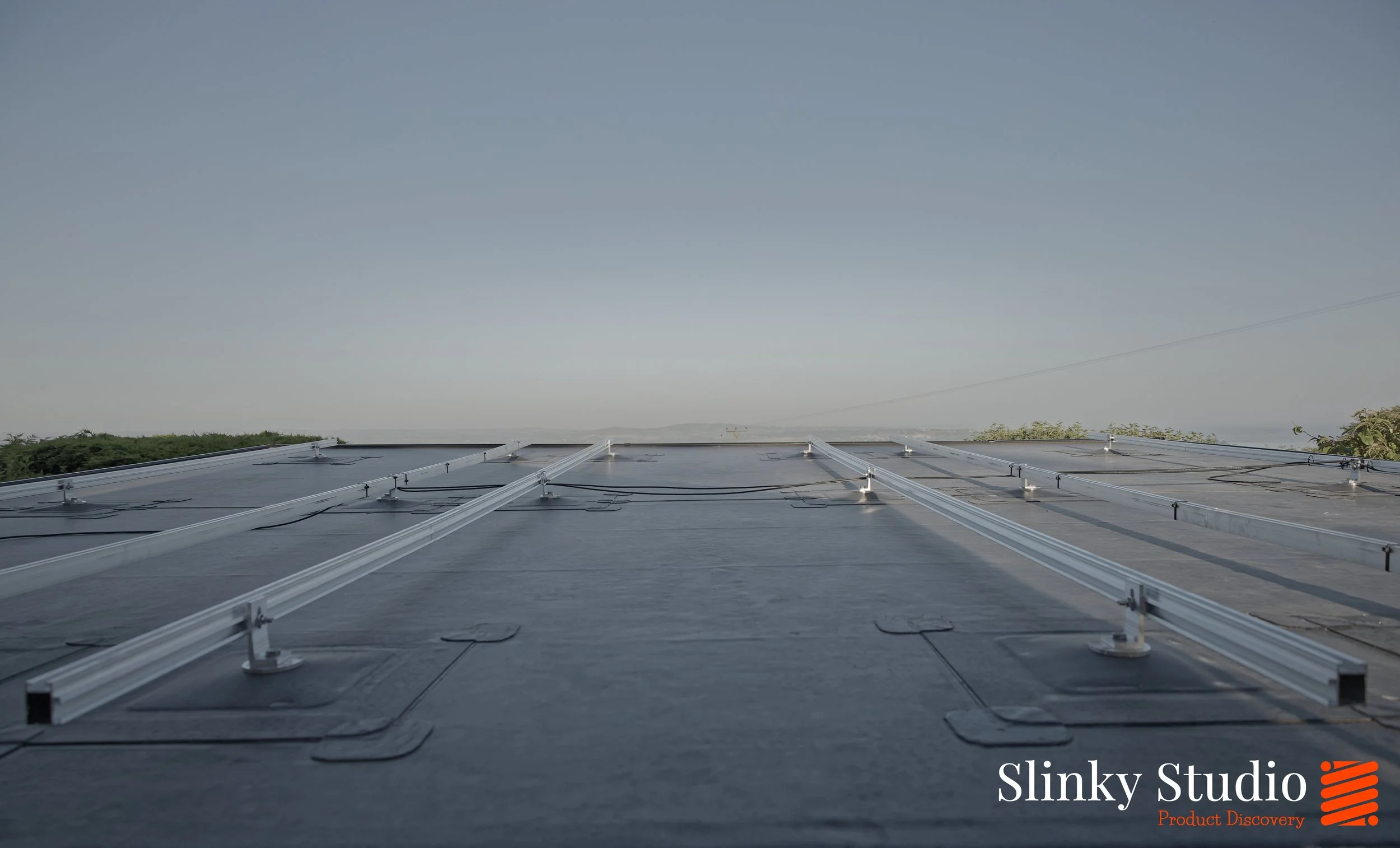
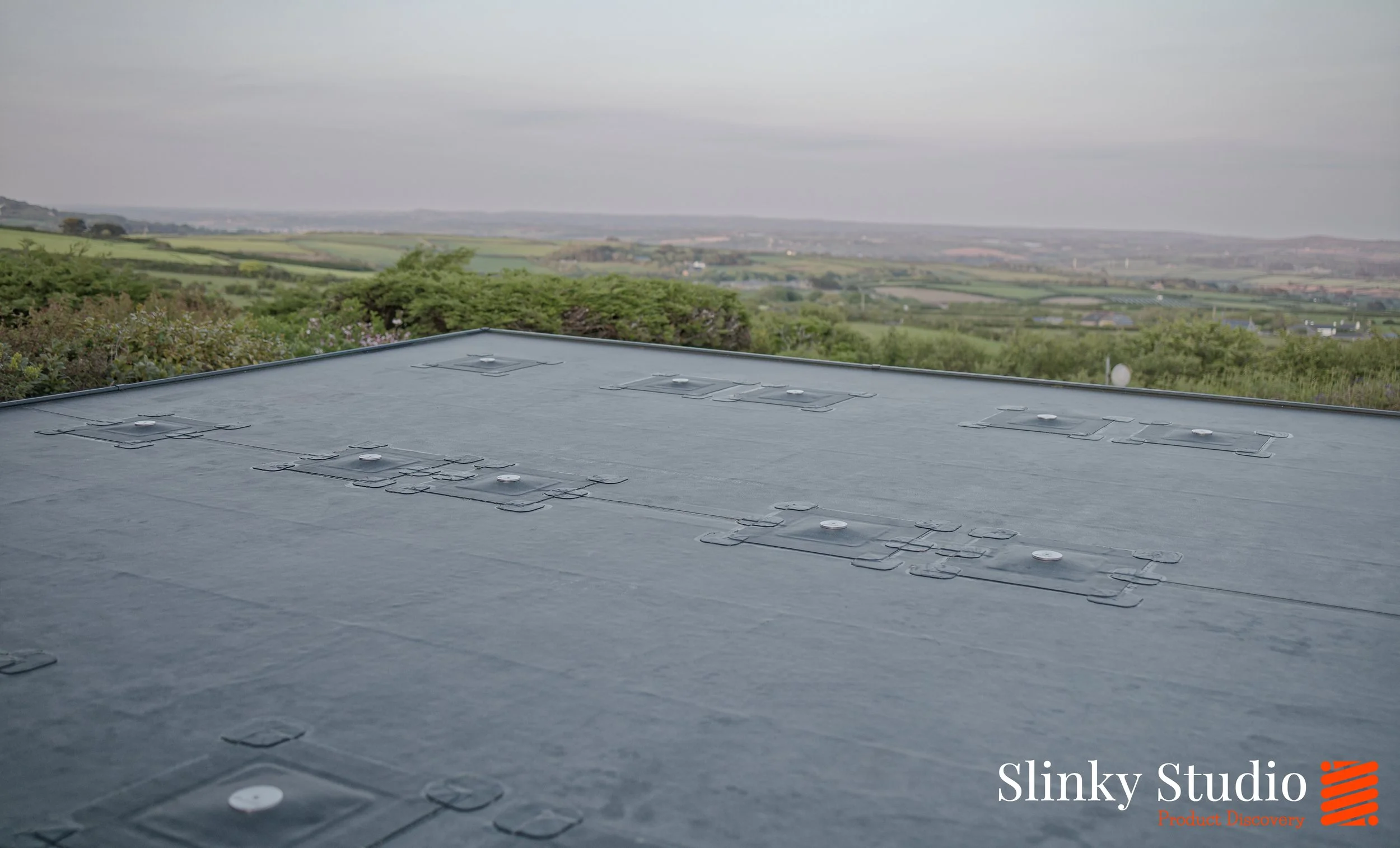
As we are having twelve solar panels fitted, the first thing was to ascertain how many brackets would be necessary for the six rails. The helpful advice from Nicholson themselves was that three for each bracket would keep the project strong and secure, so we are using 18 brackets in total, evenly spaced for each rail.
Our garage is around 45 years old and the original roof was definitely in need of replacement, so we decided to have a trusted local roofing contractor, Summit Roofing Solutions, who we have used before, to fit a brand new modern EPDM (Ethylene Propylene Diene Monomer) roof and they also agreed to fit the Nicholson ROOFTRAK brackets. In fact, they were quite concerned that we did not use alternative brackets that could have damaged the new roof.
The brackets are factory-drilled with fixing holes and the correct screws were supplied for the particular fixing. Obviously our garage roof is a ‘cold’ roof, which means the EPDM is simply attached to OSB boarding which sits directly on top of the timber joists. However, exactly the same ROOFTRAK brackets can also be used on warm roof constructions.
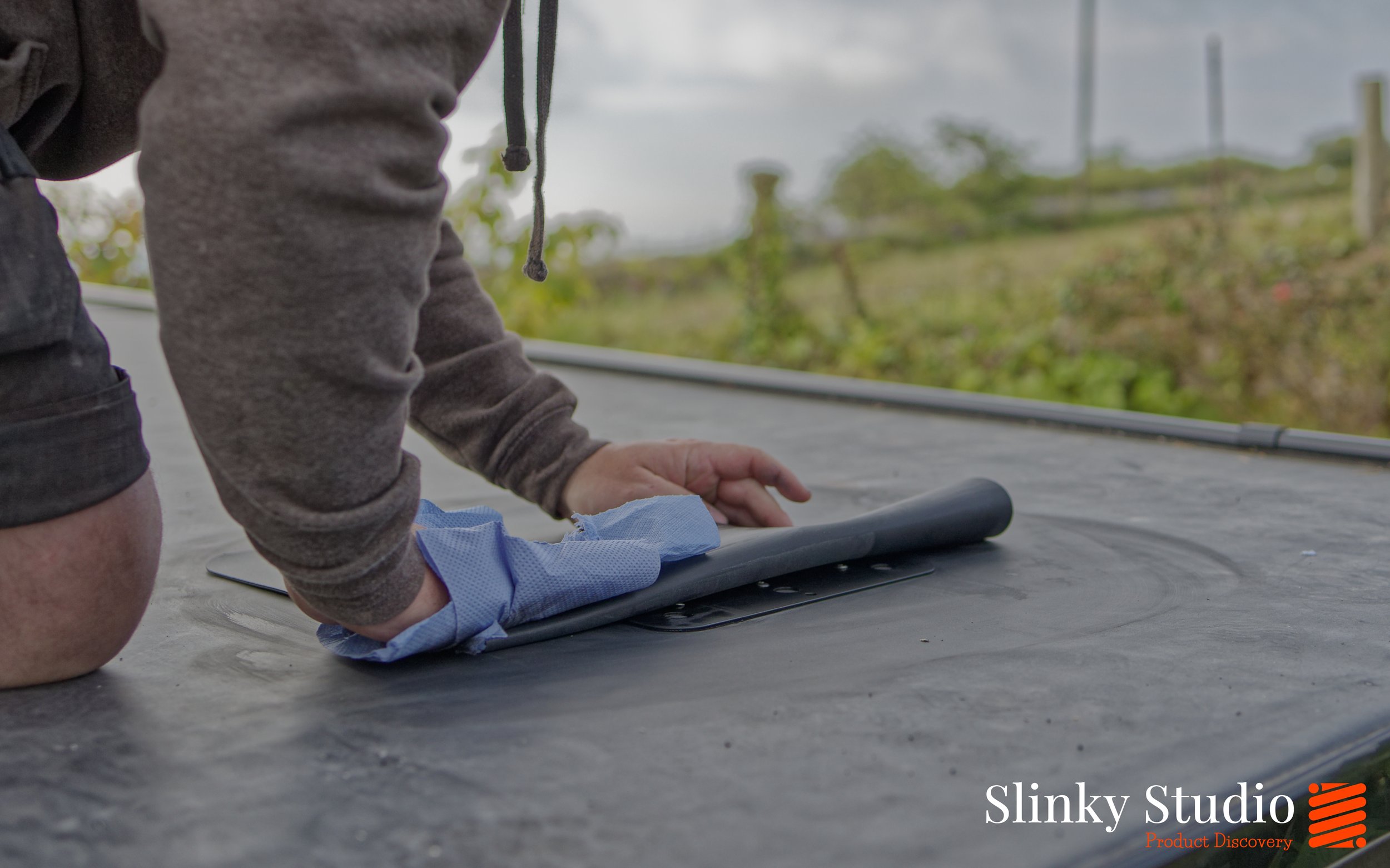
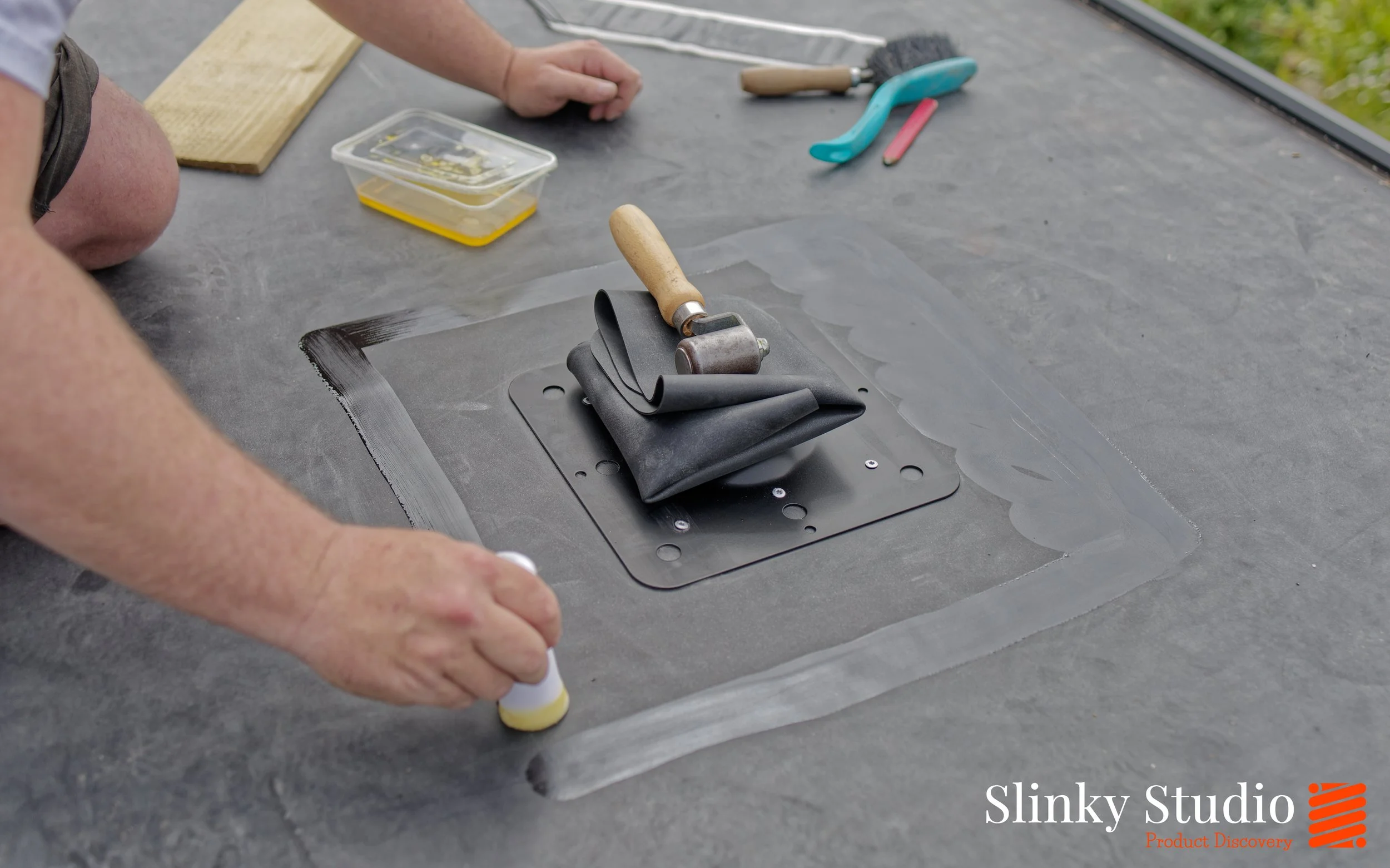
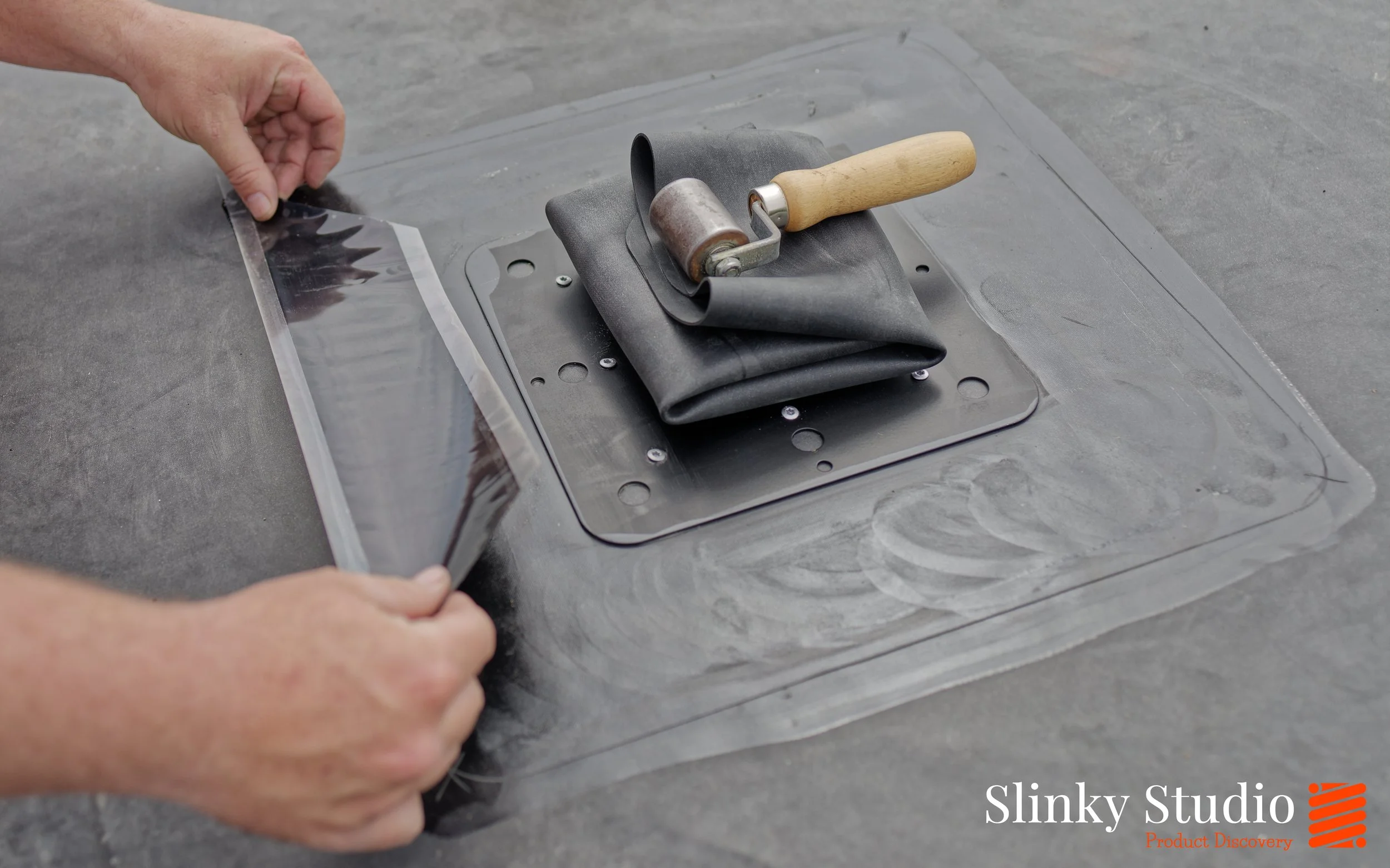
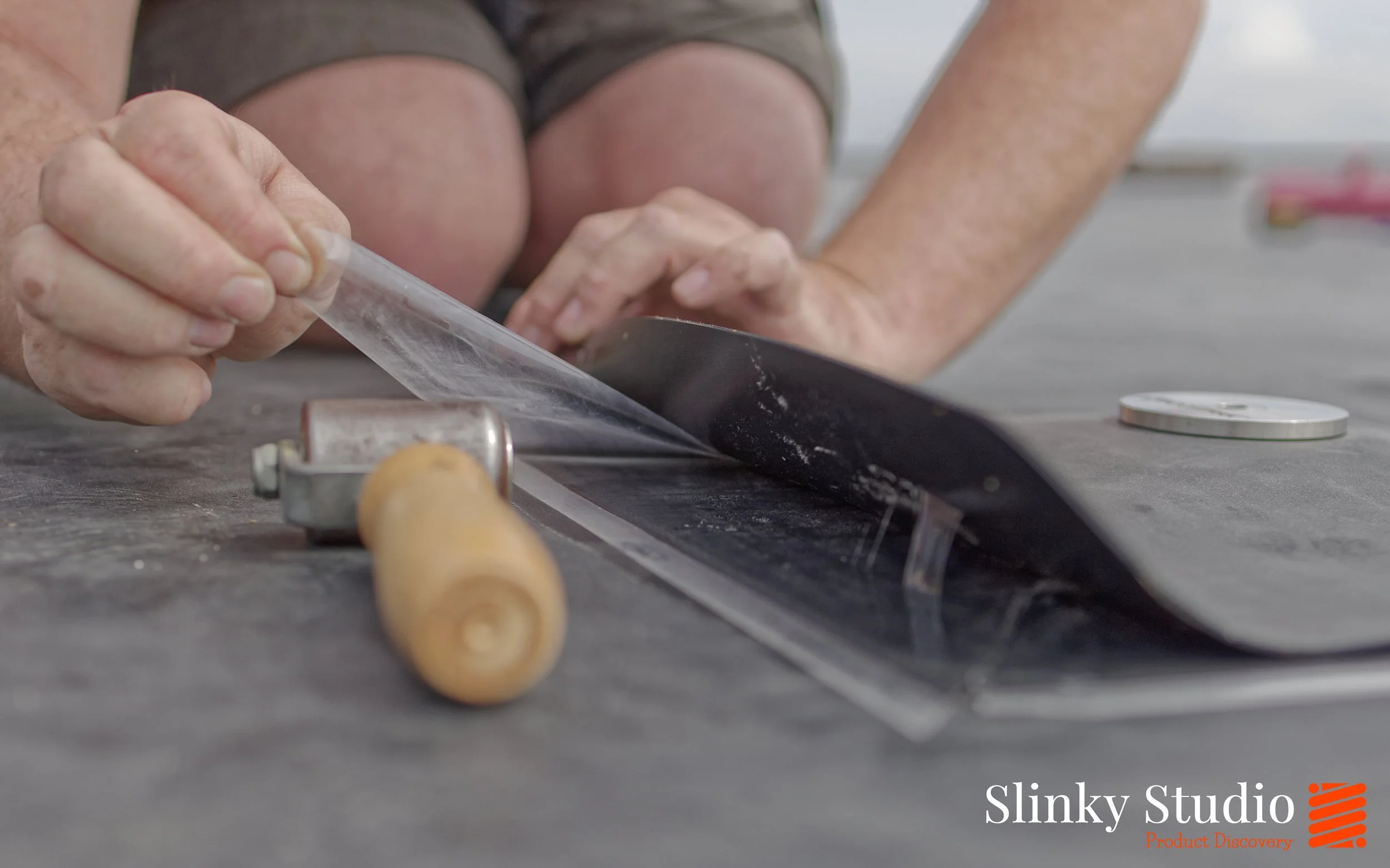
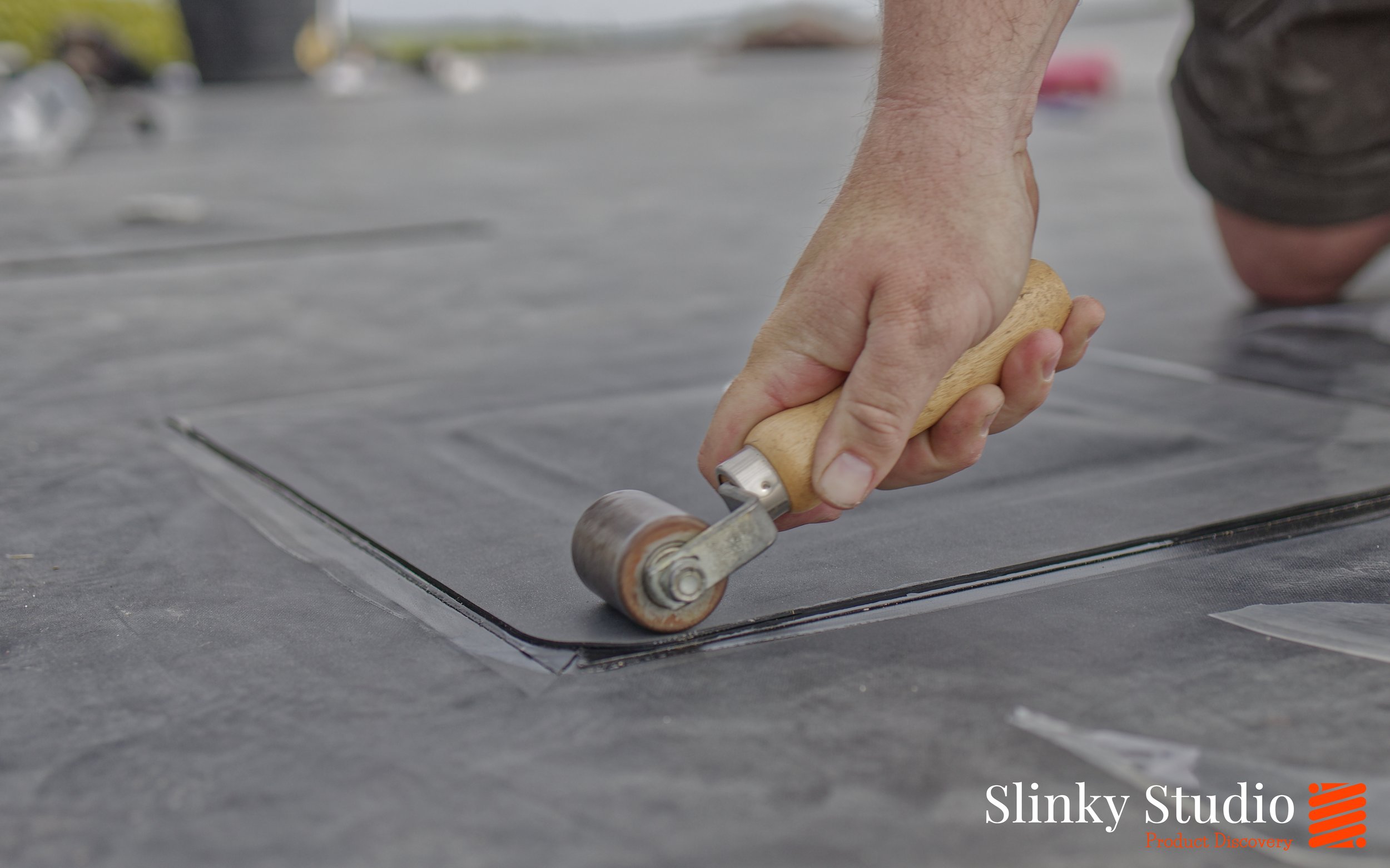
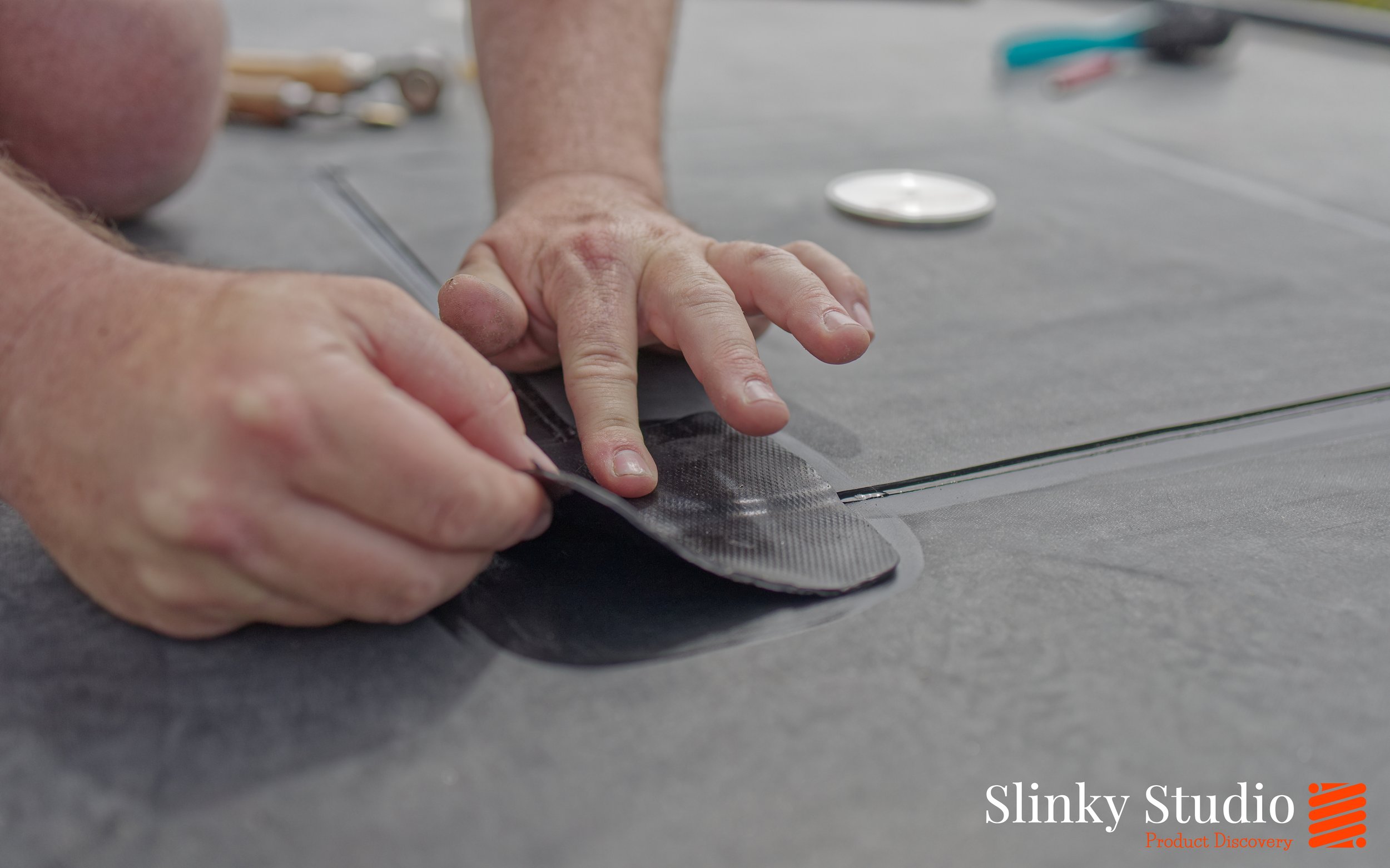
Once the marks were in place by Bradley’s Electrical Contractors, the guys from Summit Roofing Solutions soon started work on fitting the brackets. Each bracket is first fastened in place using eight screws, then the membrane is glued down according to the weathering membrane manufacturer’s instructions. This is where the Nicholson ROOFTRAK brackets are so clever; they are actually made with the same membrane as that used on your roof, thus making a perfect match and also a perfect seal. For each bracket, Summit needed to clean the area, then first apply primer to both the roof and the underside of the bracket membrane; this is left to become dry to the touch before EPDM glue is coated across the area and four strips of seam tape cut with 45-degree angles are placed in position, these are in turn coated with EPDM glue before the bracket membrane is folded down and smoothed out by hand, then finally firmly pressed down with a roller. Following this, the weathering membrane manufacturers considered that each corner of the bracket membrane should also have a square piece attached for added installation security.
Adam and Kane of Summit Roofing Solutions completed the fixing of all 18 Nicholson ROOFTRAK brackets on a very hot day, working tirelessly, and as you can see, the brackets look really good and up for the job of holding down our solar installation.






Fastening the Rails & Solar Panels
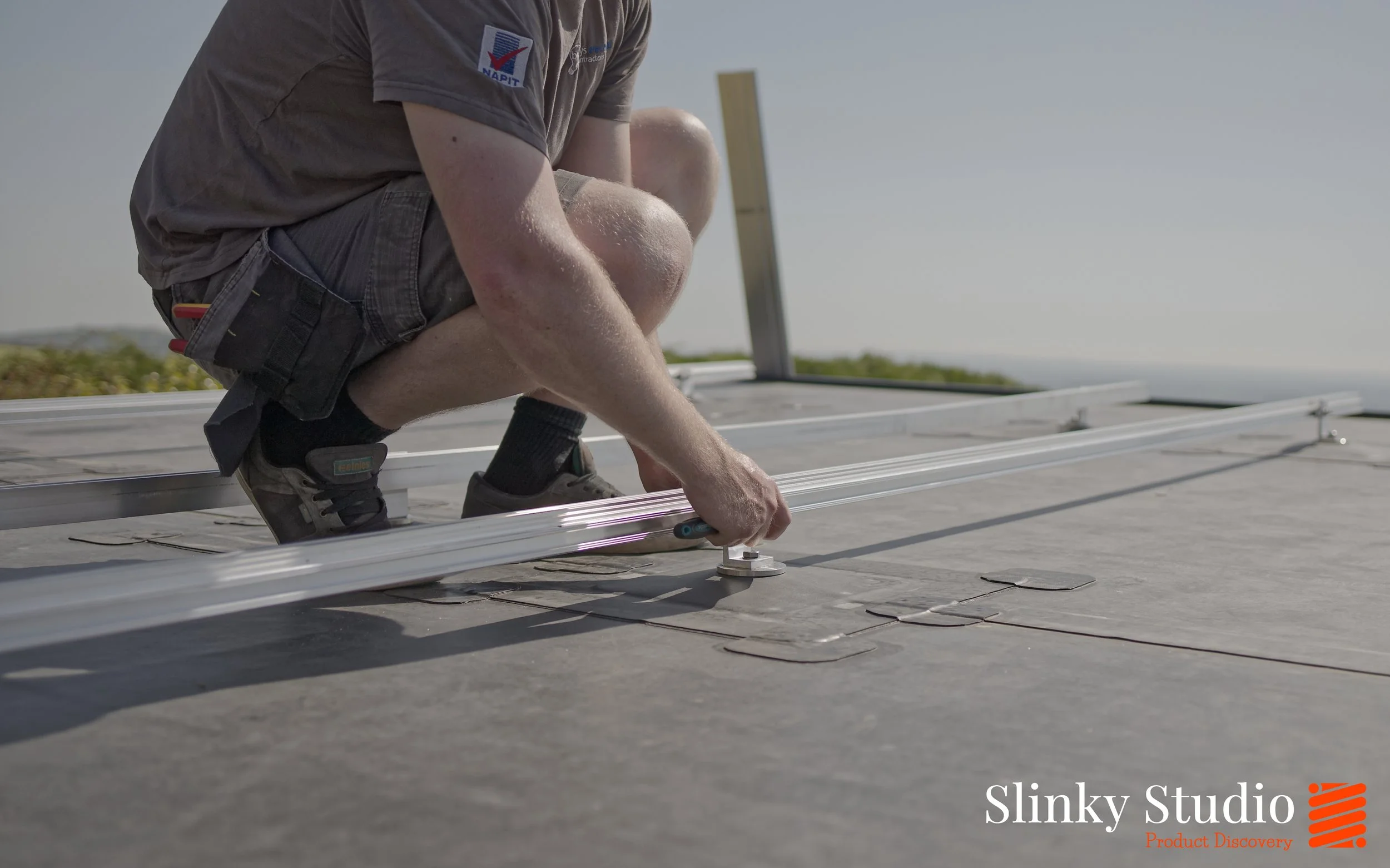
With the brackets firmly fixed and the weathering membrane firmly protecting both the brackets and their fixings, Dave, of Bradley’s Electrical Contractors, could fit the rails to the brackets, and this was really straightforward. The L-shaped rail fastenings sit snugly and firmly against the bracket tops using the single supplied bolt for each bracket, and the rails fit perfectly onto these fastenings.
Finally, after sorting out the wiring, it was time to lift the solar panels onto the rails and clamp them in place. These panels are fairly heavy, and it soon becomes apparent why the Nicholson ROOFTRAK brackets are so strong – they have to be! The combined weight of the panels and the potential for wind uplift force means that the whole system relies on those brackets. They definitely seem up to the job to us, but the important thing is that they have been tested and are guaranteed to be up to it.



Verdict
Thanks to Nicholson’s ROOFTRAK IFP250 Integrated Fixing Port brackets, we now have a good-looking, low-profile solar set-up. It is firmly held in place, and we know, under guarantee, that the weathering EPDM membrane is structurally secure, cannot leak, and will last for many years. It is often the unsung heroes that hold everything together, and in this case, that title goes to Nicholson, a truly British company, producing a great product designed and manufactured in Britain.