Klydoclock Review
We've reviewed a few clocks over the years that try to be internet-led devices, using tech to chase the feel of smartwatches and phones. At £299 / $329, the Klydoclock is very different. Instead of being a destination for notifications and news, it simply tells the time, just through Klydos; animated clock faces designed by artists from around the world.
Design
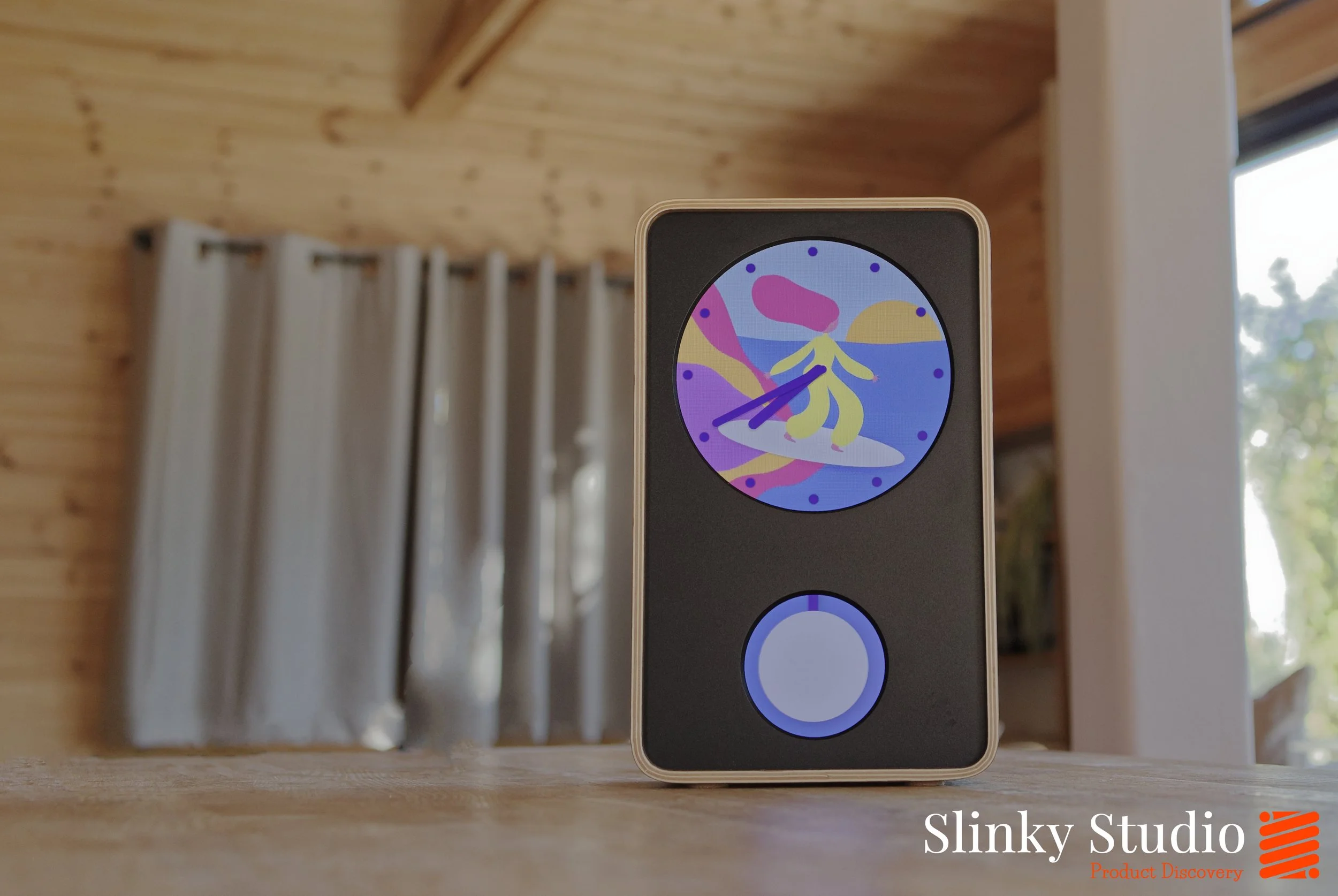
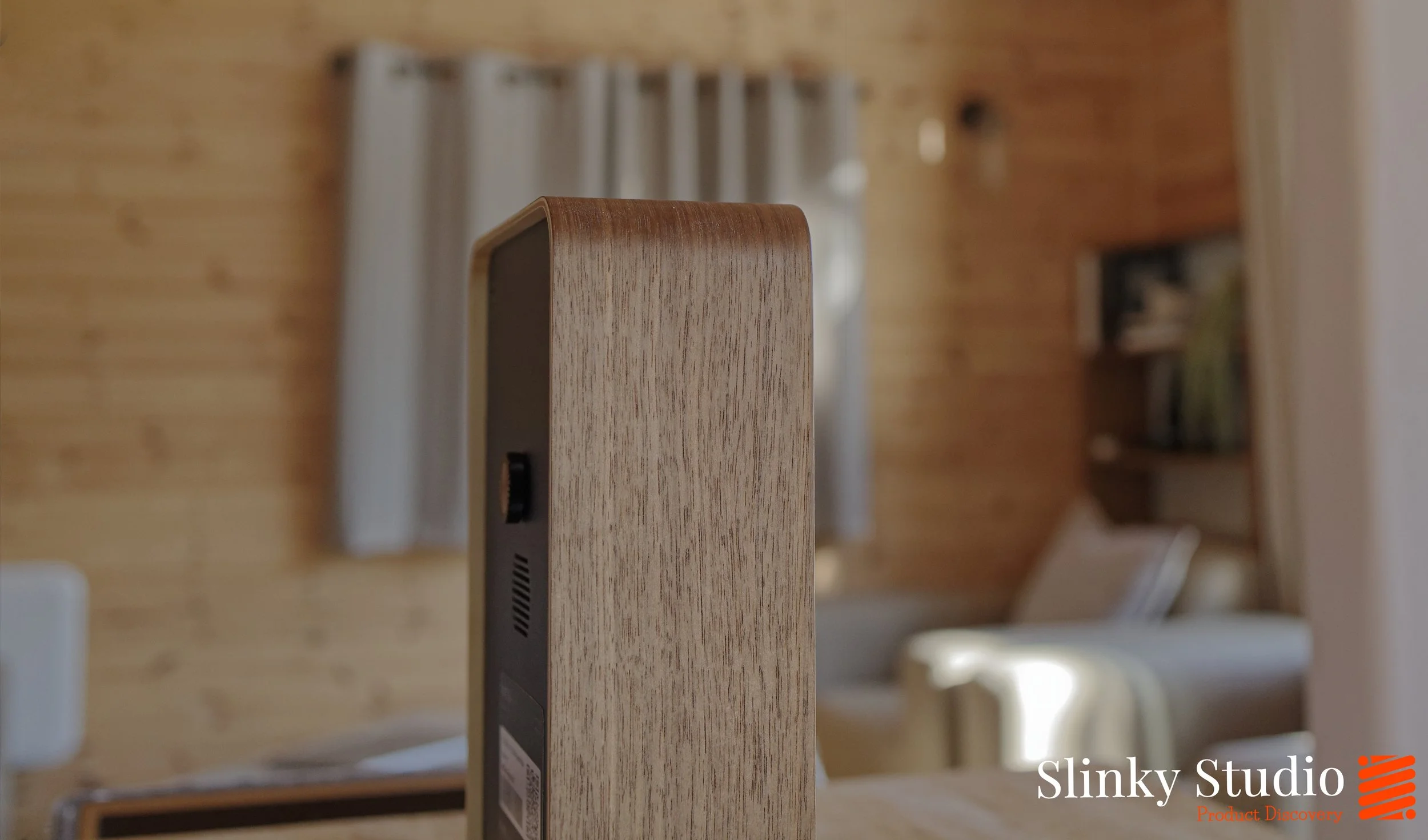
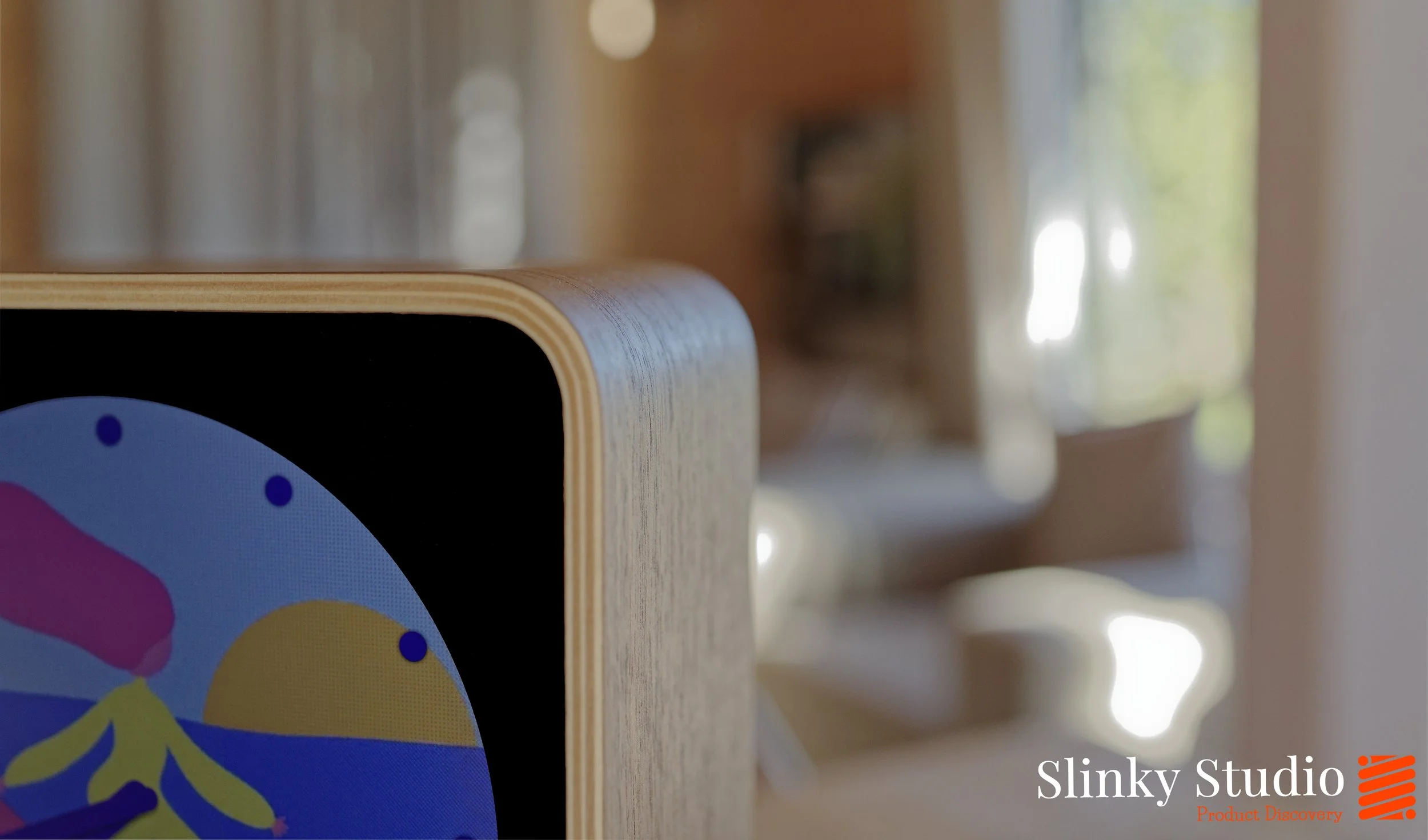
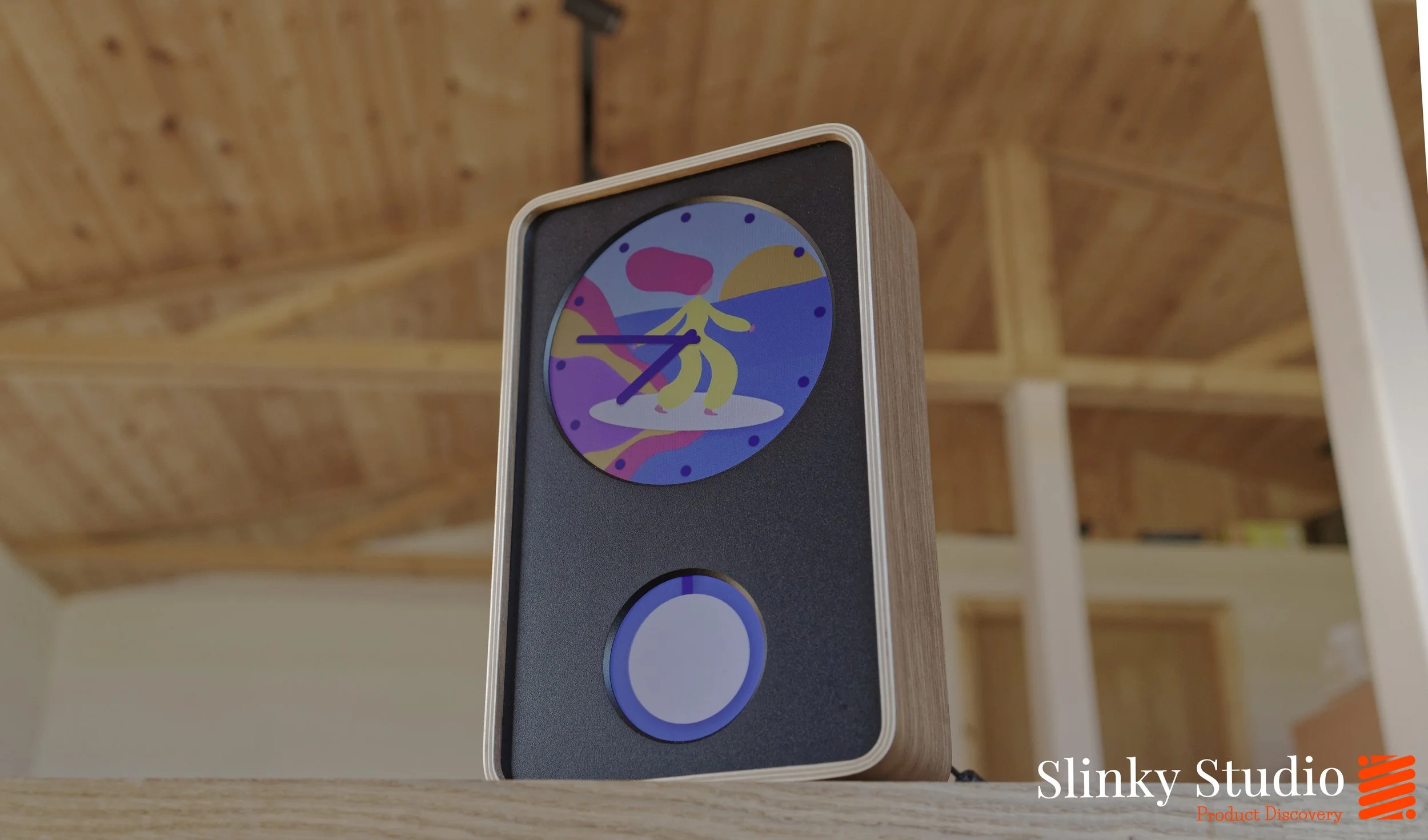
At 30cm tall and 18cm wide, dressed in a grained, tactile wood, the Klydoclock doesn't read as a piece of tech at all when it's switched off. That's clearly the intention. It sits somewhere between an object you'd find in a design store and a family heirloom, with a night mode on hand for when even its two screens should fade into the evening.
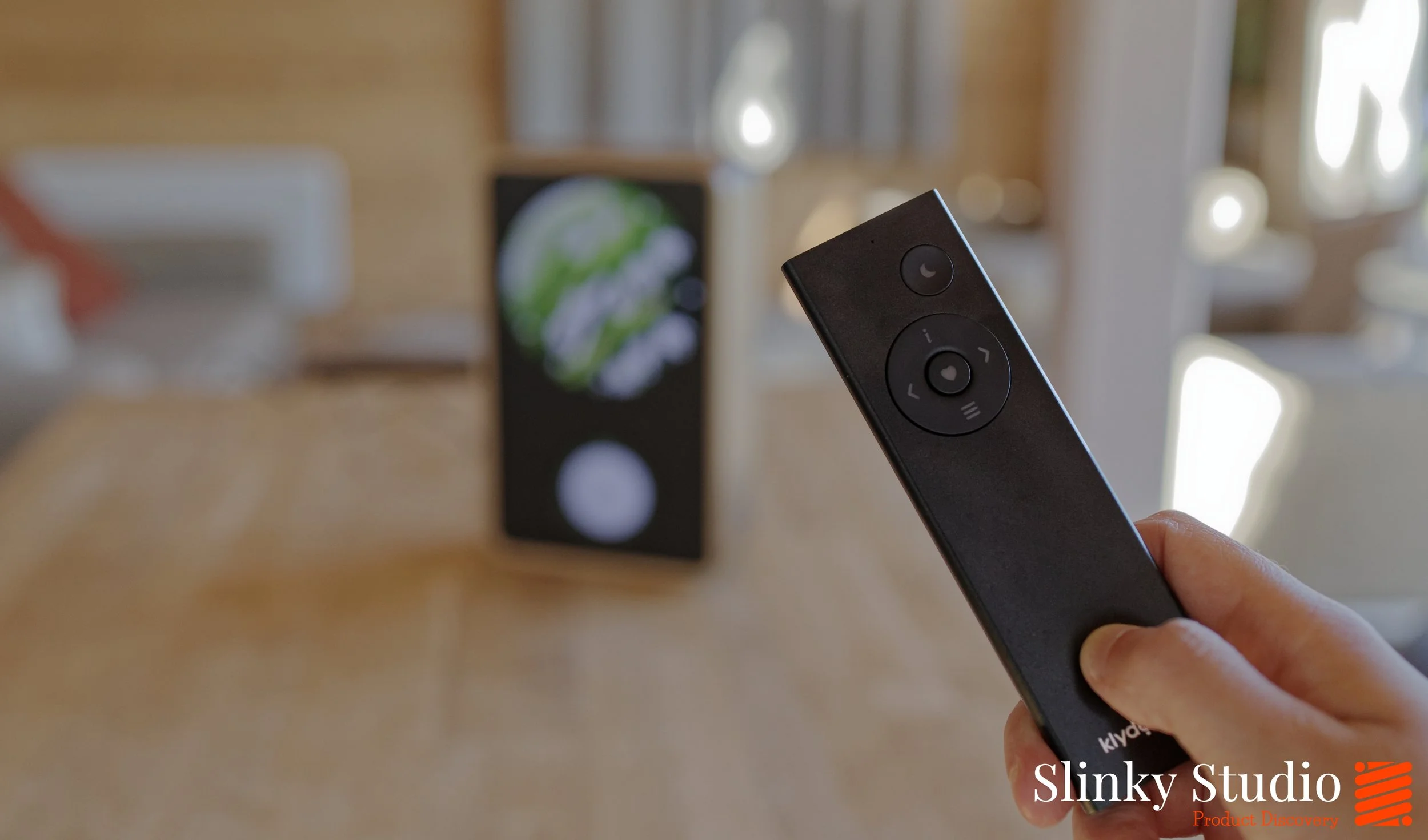
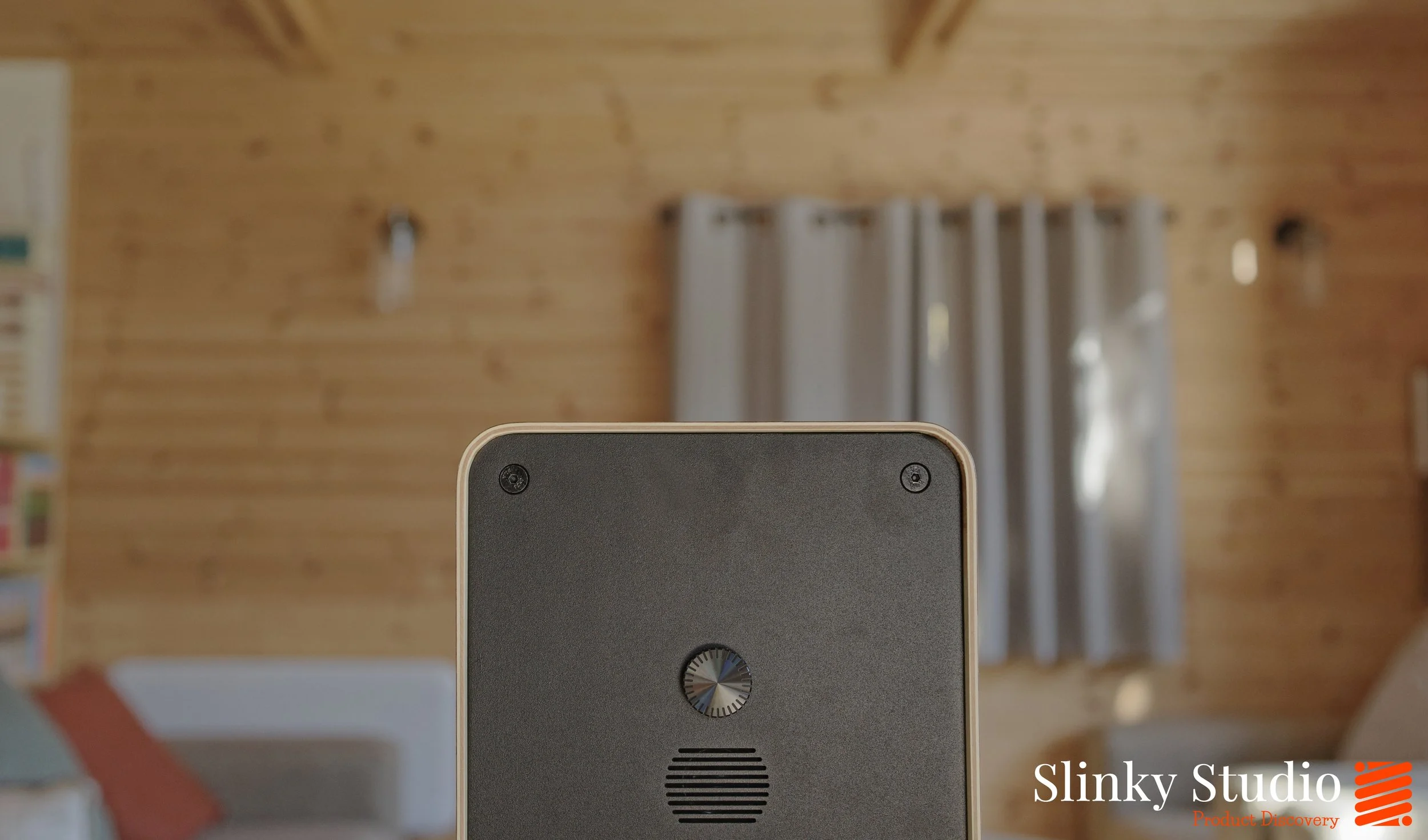
It's really well put together, too. The real wood, available in dawn oak, twilight walnut or midnight ebony, wraps around the body in a way that looks as if it has been steamed to make it contour so closely to the shape, giving the whole thing a warmth in character that most clocks this technical simply don't have. There are no buttons on the Klydoclock itself, but there is a remote control and an app.
Klydo describes it as a mantel-style clock, and ours is resting on a wooden shelf. Worth flagging though: there's no battery, so it runs entirely off the mains, which is something to consider if you want it on a wall or shelf without a socket nearby, or if a trailing wire would spoil the look.
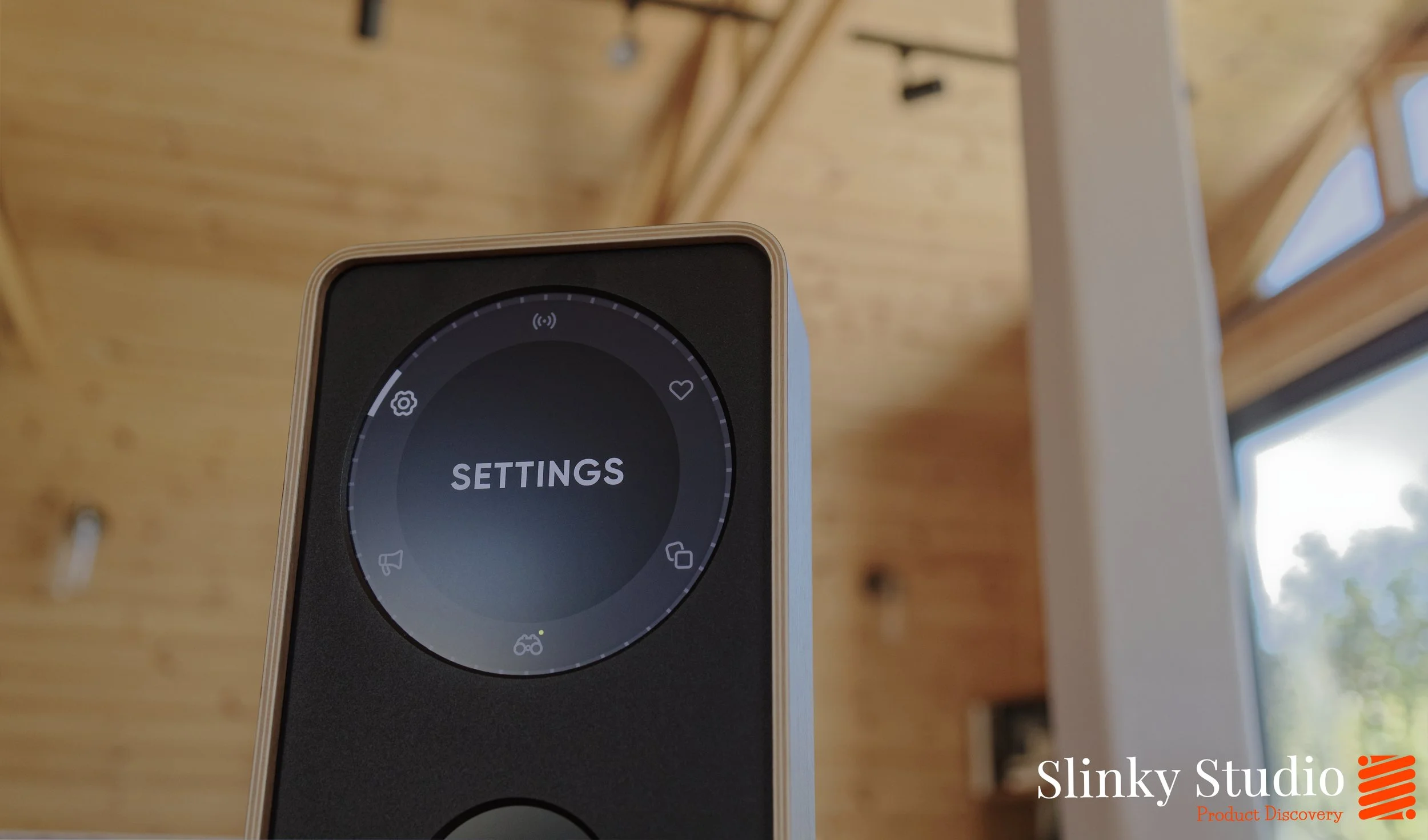
The remote itself deserves a mention. It's metal, sits nicely in the hand, and feels closer to something you'd find bundled with a premium TV than with a clock. It's how you'll do most of your day-to-day interacting with the Klydoclock, cycling through the Klydo library without needing to reach for your phone. Settings exist for the deeper configuration: brightness, wifi network, sound controls for chimes and ticks, and even software updates.
Telling the time & Faces
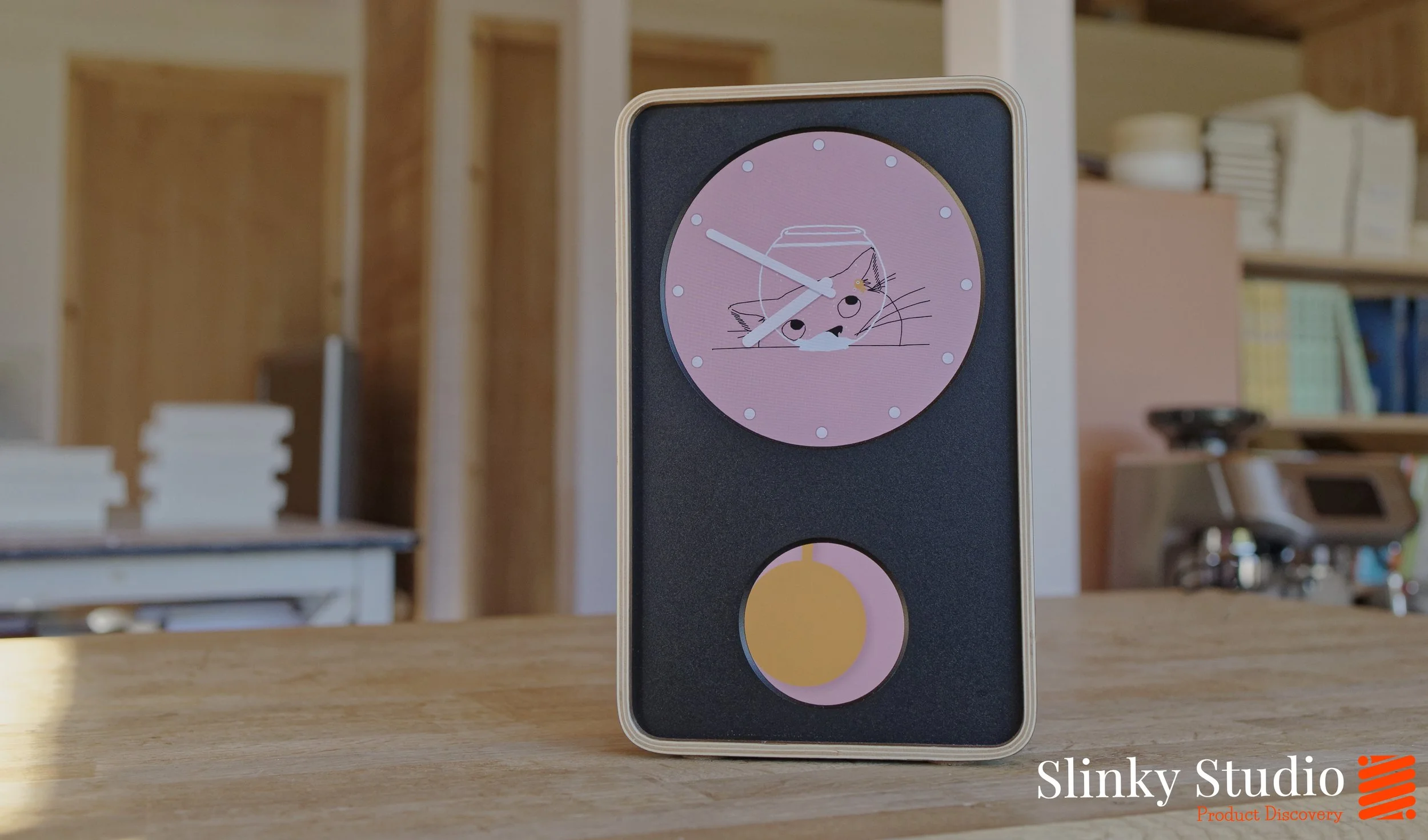
It's a refreshing timepiece in every sense, with new animated faces, or Klydos, able to swing into place with a flick of the left or right buttons on the remote. It makes the clock feel continually interesting, something you may find yourself pausing on rather than just glancing at, and getting lost in for a few seconds at a time. It reads the time well too. Each screen has some kind of coating or top layer that reduces both glare and reflections, so it feels closer to looking at a printed clock face than a digital one. Its lower pendulum adds a sense of quiet ceremony, the gentle back-and-forth motion doing more to make the Klydoclock feel like a real clock than anything on the screen above it.
Having said that, you'll likely stumble across Klydo faces you like so much you want to keep them close by, in which case you can favourite them by tapping the middle button on the remote. Beyond that, there's a feed of the wilder Klydo designs to swing between with the remote, so alongside your favourites are further collections from the Klydo library. These are trickier to explain but are essentially paid-for Klydo packs, each with a theme and a number of designs to scroll between, some with sounds of their own, such as the Spring Bloom collection with birdsong and dew falling from leaves. More broadly, you may want something to reflect the interior design of a room, the time of day, or a seasonal pick for autumn or Christmas. This is where the Klydoclock departs novelty territory: finding clocks that suit different interior spaces and moods is tricky, so having one that can adapt to pretty much anywhere is genuinely useful.
In terms of that feed, we've seen the Disney animation of Steamboat Willie exploring a black-and-white design, nature-inspired ones with birds, a cute cat-and-fishbowl animation, and colourful, almost rave-like designs. It’s the definition of eclectic and there's something for everyone to discover and add to their favourites.
As of writing, an email from the team arrived to note they've launched Daily Rhythm, a paid-for collection that pushes the clock beyond passive decoration. You set reminders throughout your day, and at the right moment a dedicated Klydo animation appears on the display with its own signature sound, rather than a generic alert. It's a small addition, but it's the first sign of the Klydoclock nudging toward function rather than just form.
Verdict
The Klydoclock feels analog despite being entirely digital. It ticks away in the background (optional of course), a sound that will either drive you nuts or soothe you, and can chime on the hour, grandfather-clock style, if you choose to switch that on also. With the wooden casing and that second pendulum screen, it dilutes any tech-first hyper notifications and a sense of always-on energy, feeling more like a considered piece of furniture than a gadget that happens to tell the time.
We quite like witty digital first experiences when they work well and the Klydoclock is one of those. It's quirky, and has a very interesting design that continually changes every day with its new time-faces. As a clock it gets the fundamentals down; it’s easy to glance at and to read - it’s also nice and bright, allowing the original artwork to be seen clearly, thus being a great host for artists.