Cord Zero EV Charger Review
What do we really need from an EV charger? Not flashing lights, displays or industrial bulk, but intelligent charging that integrates seamlessly with the grid, works with smart tariffs and quietly does its job without fuss. The Cord Zero promises exactly that; a cleanly designed, app-led charger built for homes — and over the past three months, we’ve been testing it to see whether it lives up to that promise, from installation to everyday charging.
Design
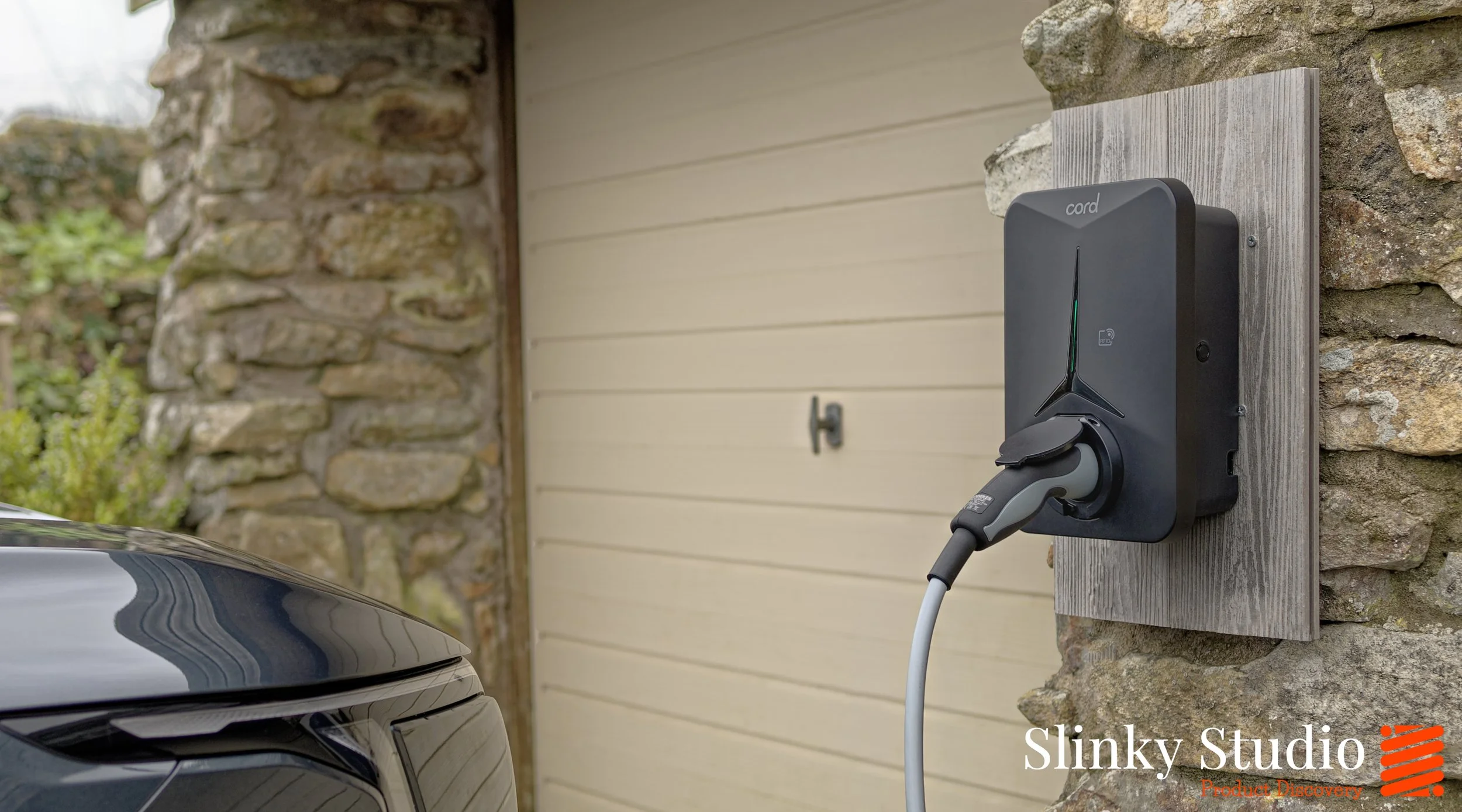
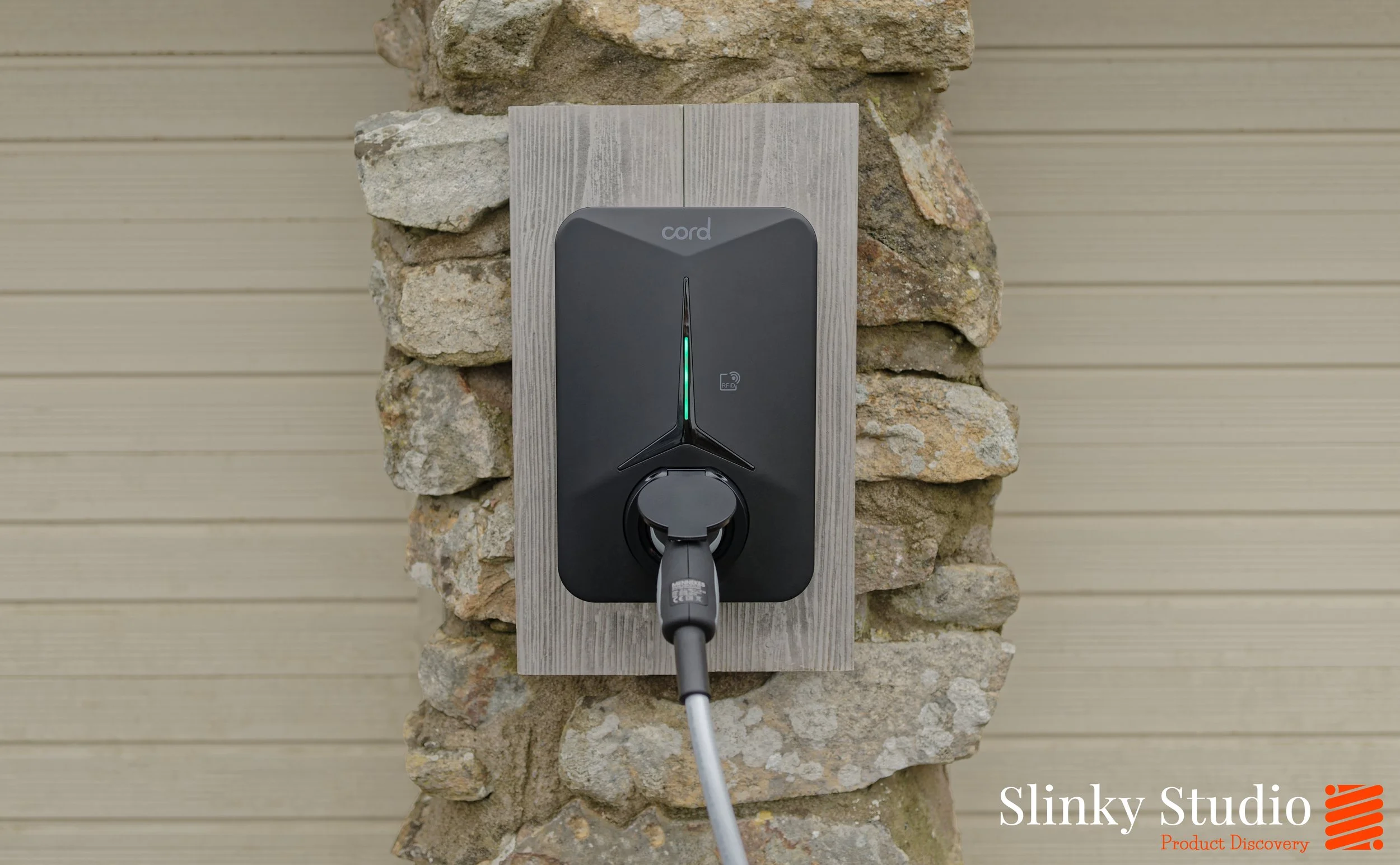
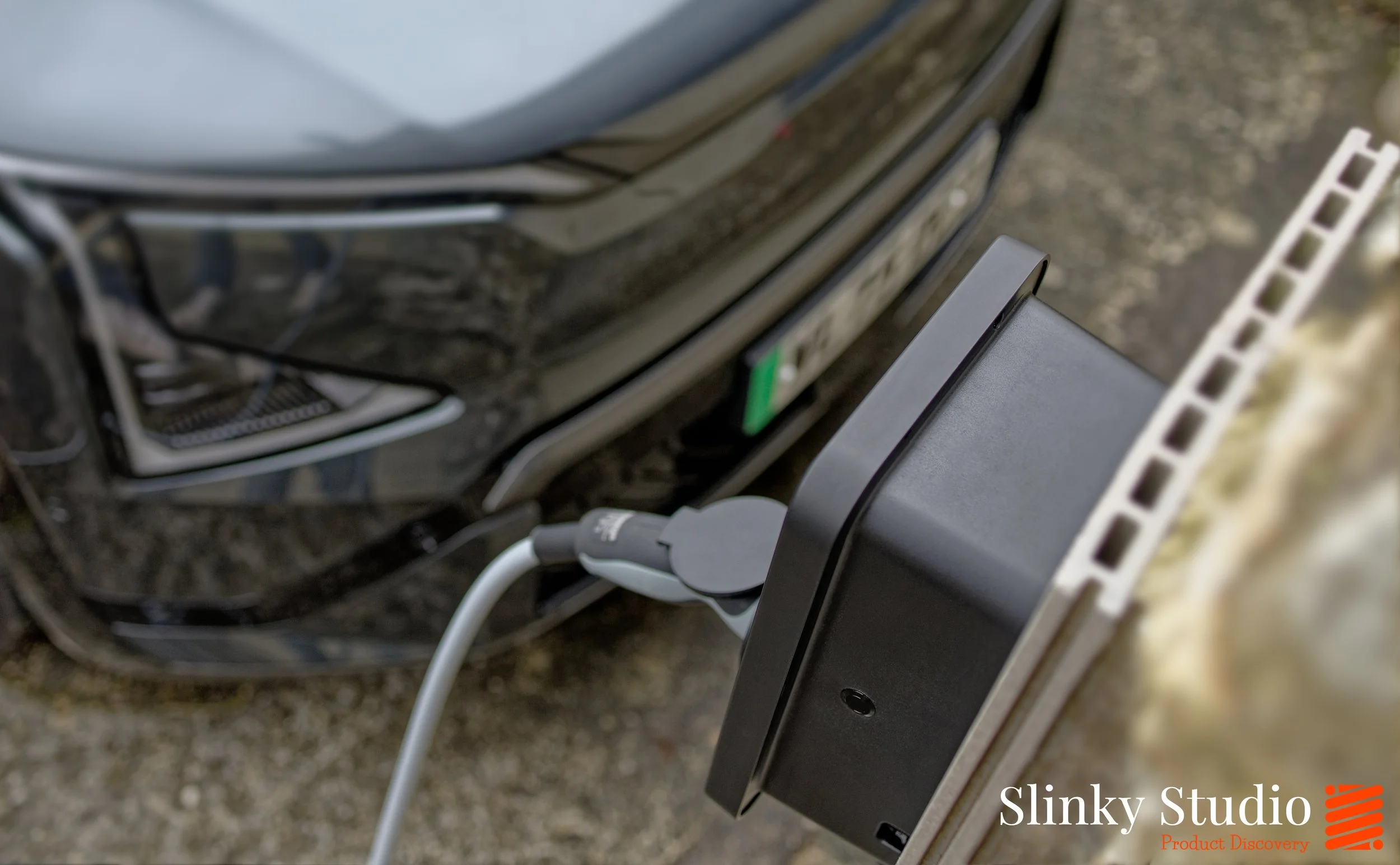
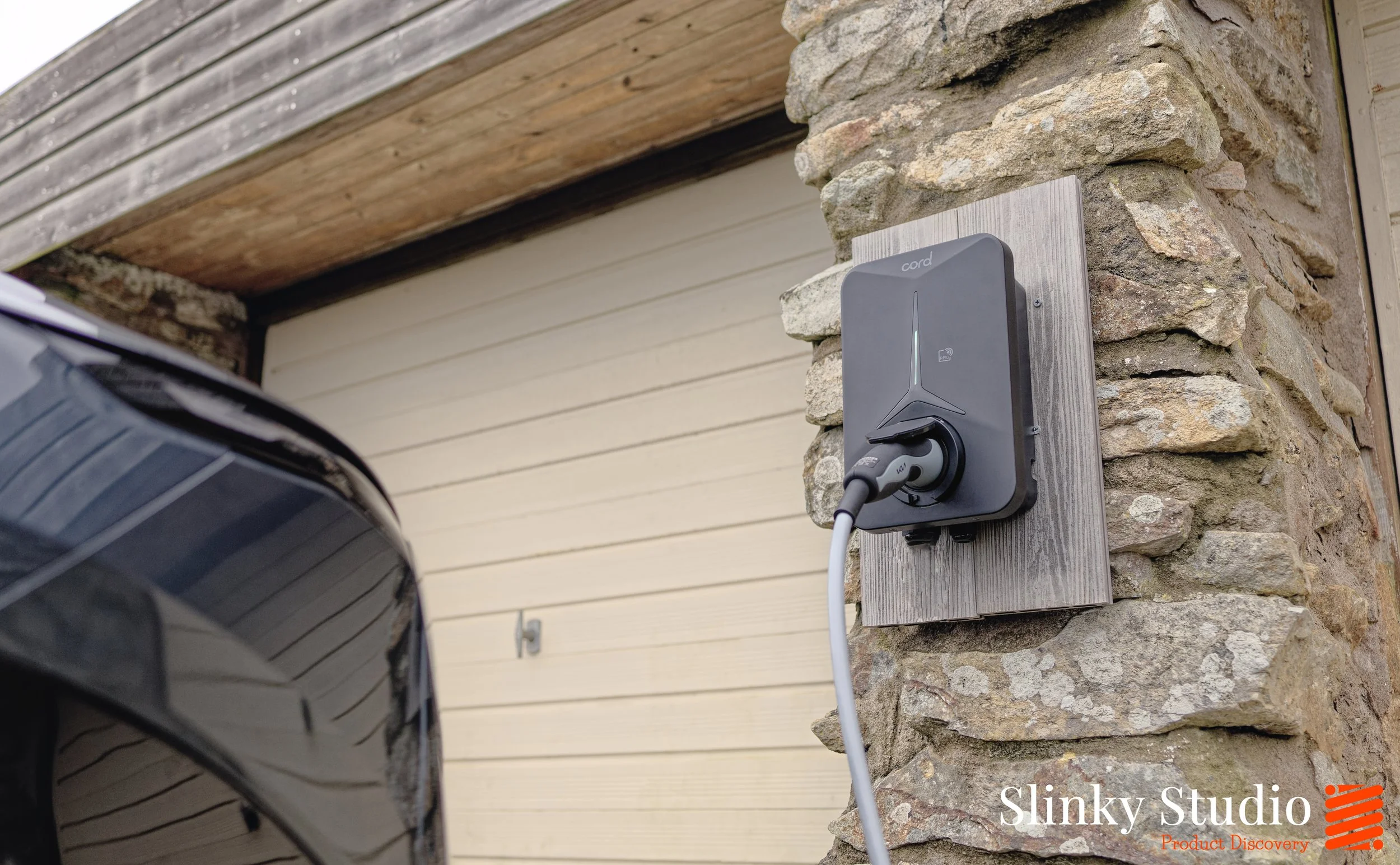
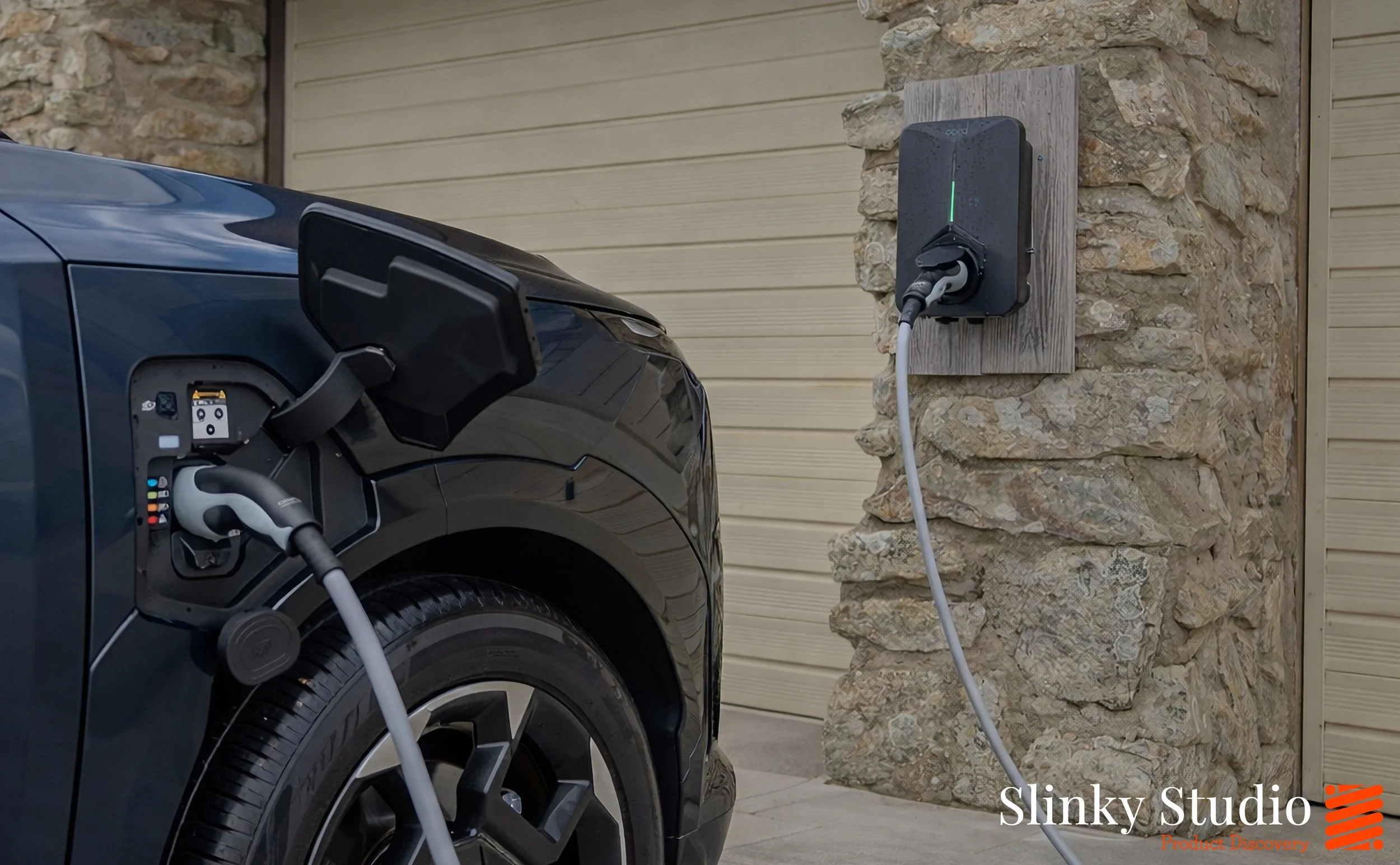
Finished in matte black, the Cord Zero looks sharp mounted against our grey composite decking, itself anchored to a Cornish granite central pillar between the garage doors. It’s positioned exactly where you’d want it, equidistant from both bays, making access easy whether a car is nose-in or reversed.
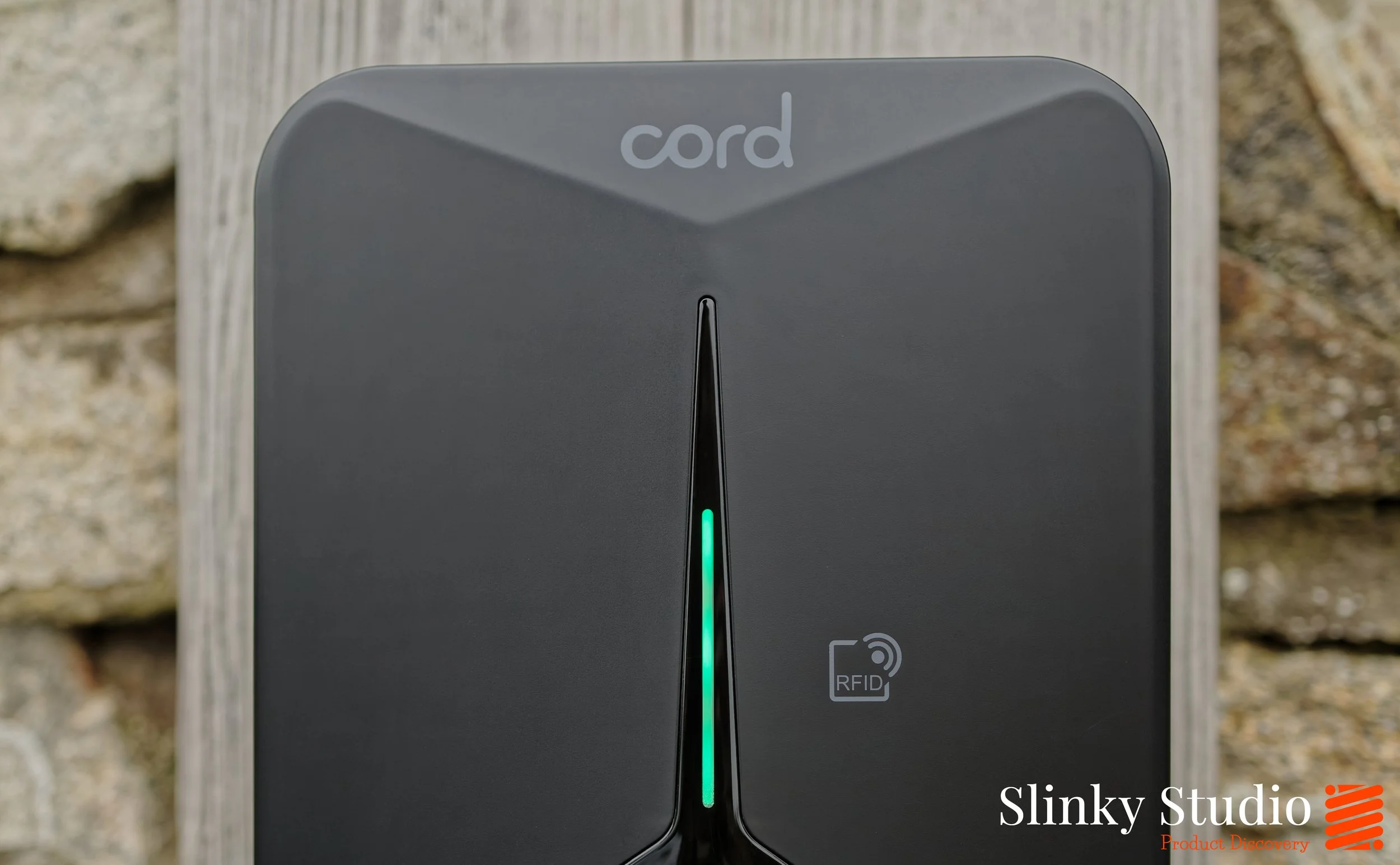
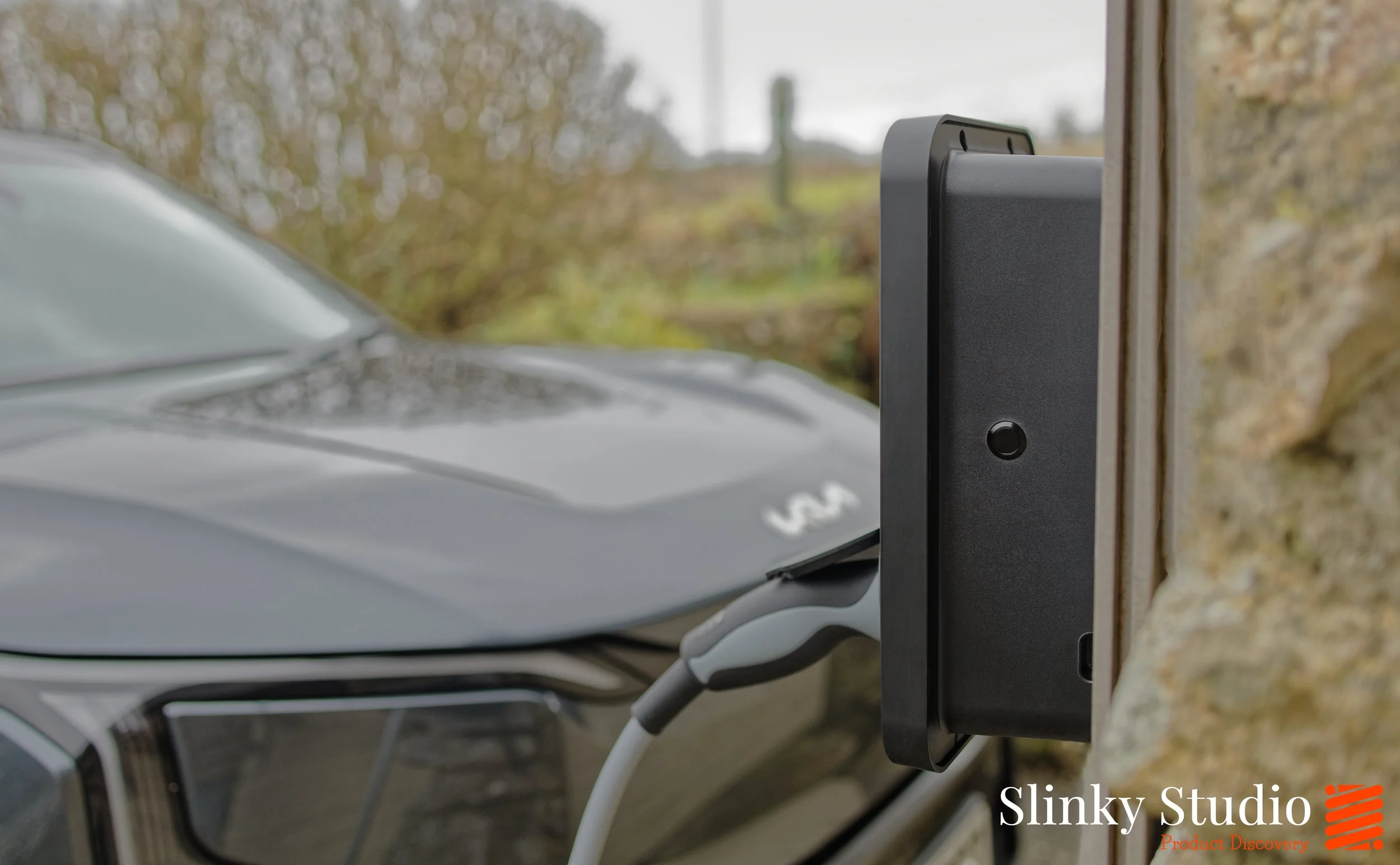
Visually, the Cord Zero charger looks modern, a clean slab of softly contoured plastic with only a single side-mounted button and a subtle three‑spoke motif with a vertical LED light bar acting as the sole status indicator. Everything else; scheduling, monitoring, charge control — lives in the app. That restraint is what makes it work. From a distance, it doesn’t shout 'infrastructure upgrade’. It just sits there quietly, almost architectural in its simplicity. Importantly, this is a true single-unit design. All the electronics, power control, communications and safety systems, are housed within the body itself. There are no external bridge boxes, control modules or additional wall-mounted components.
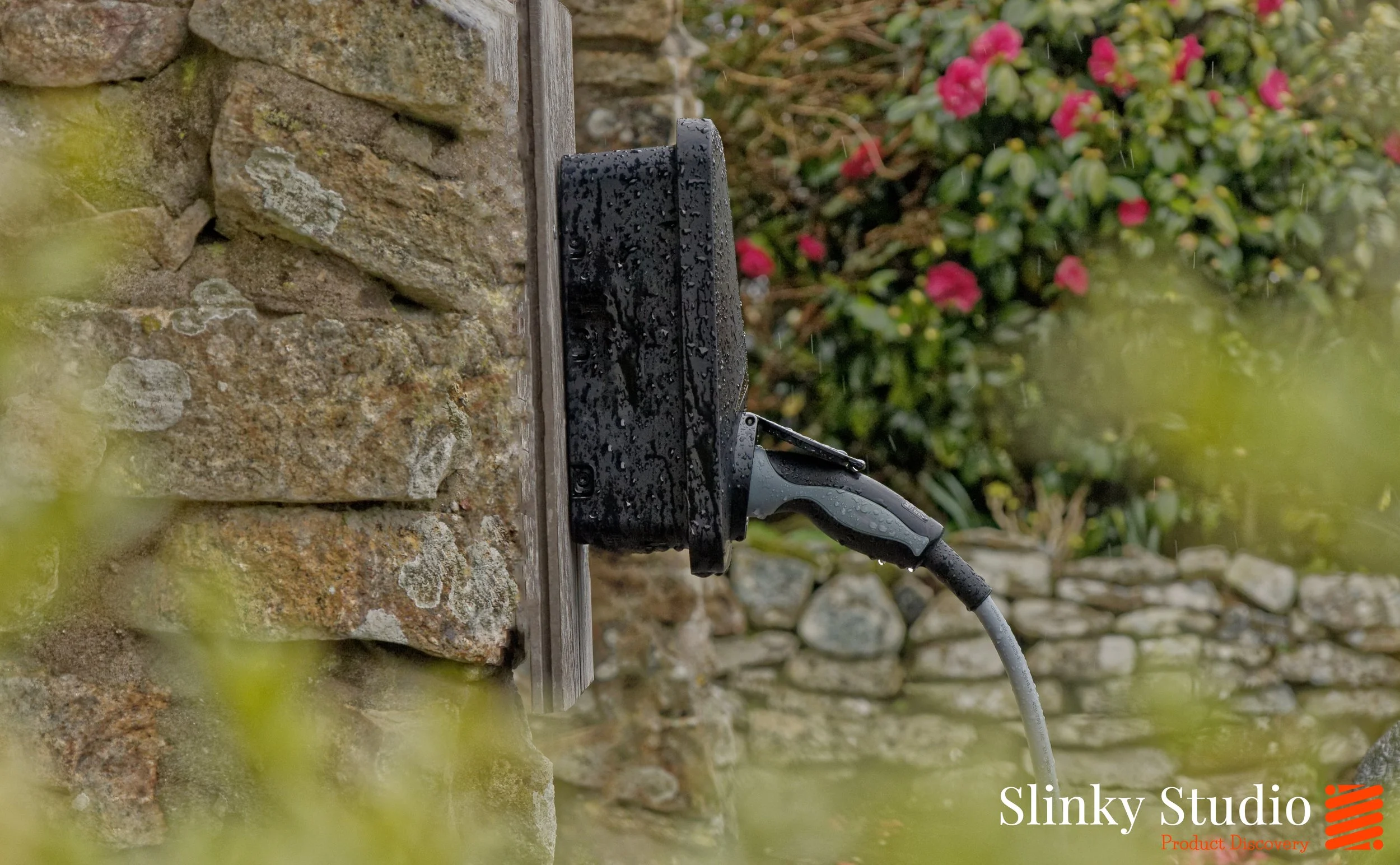
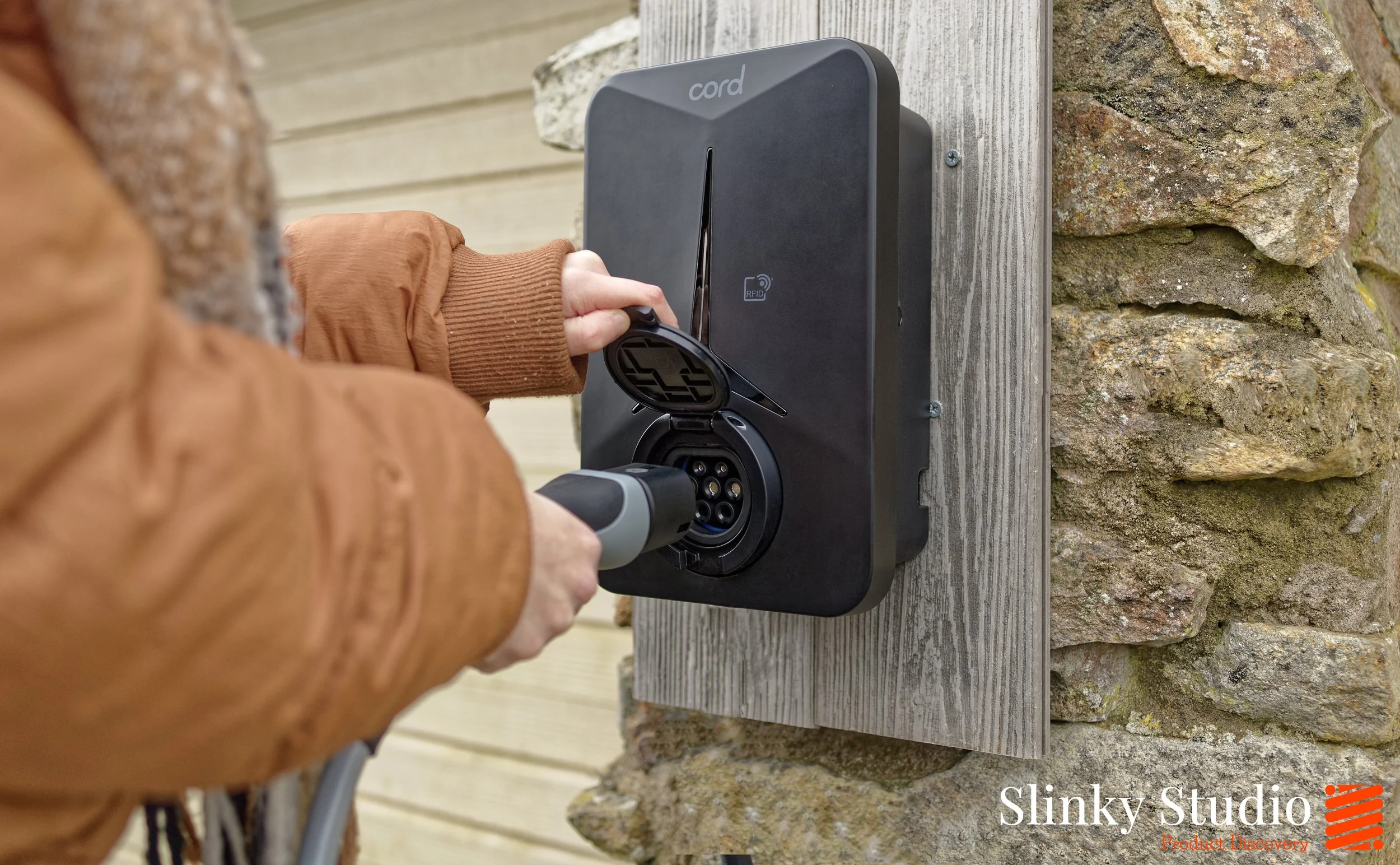
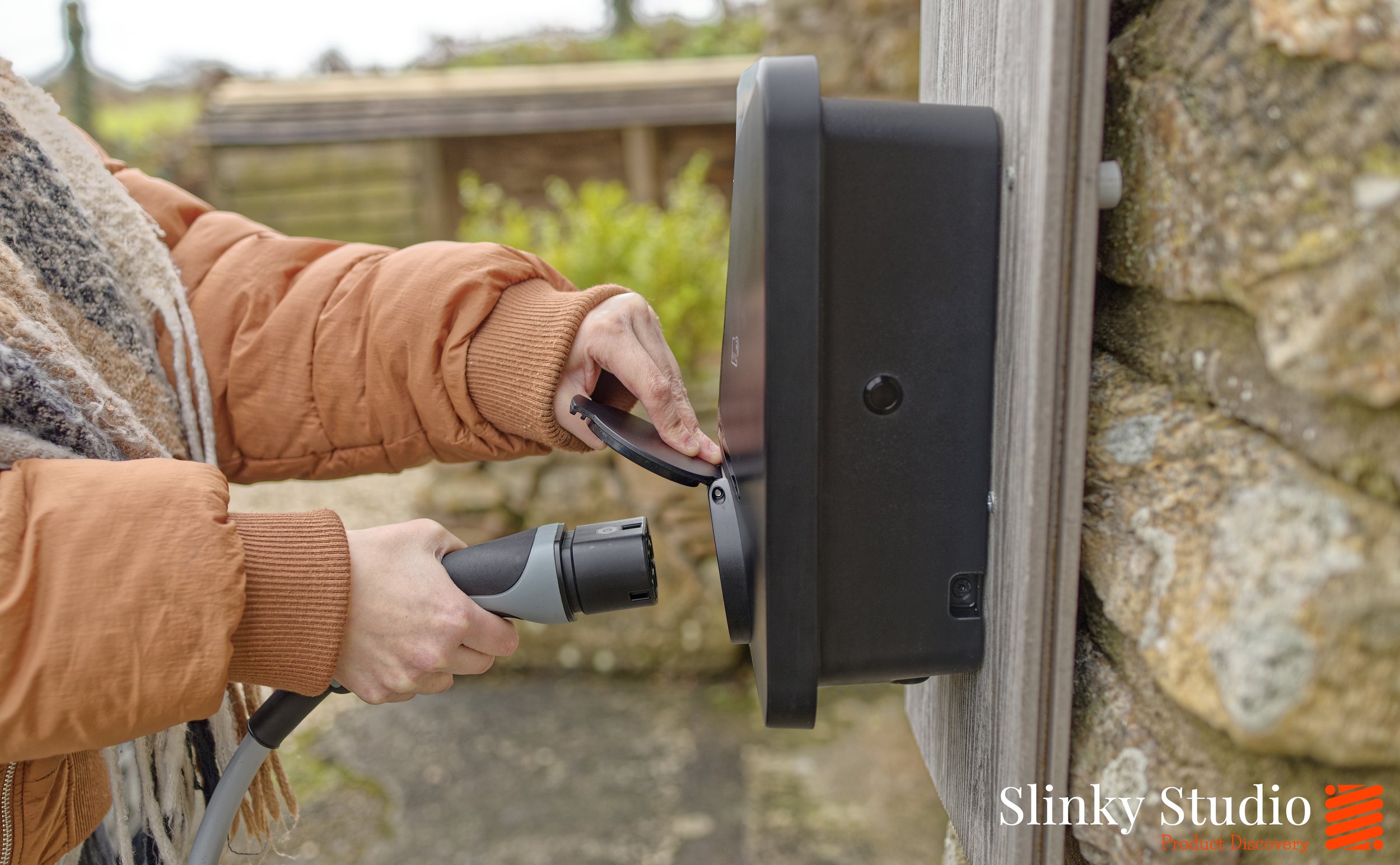
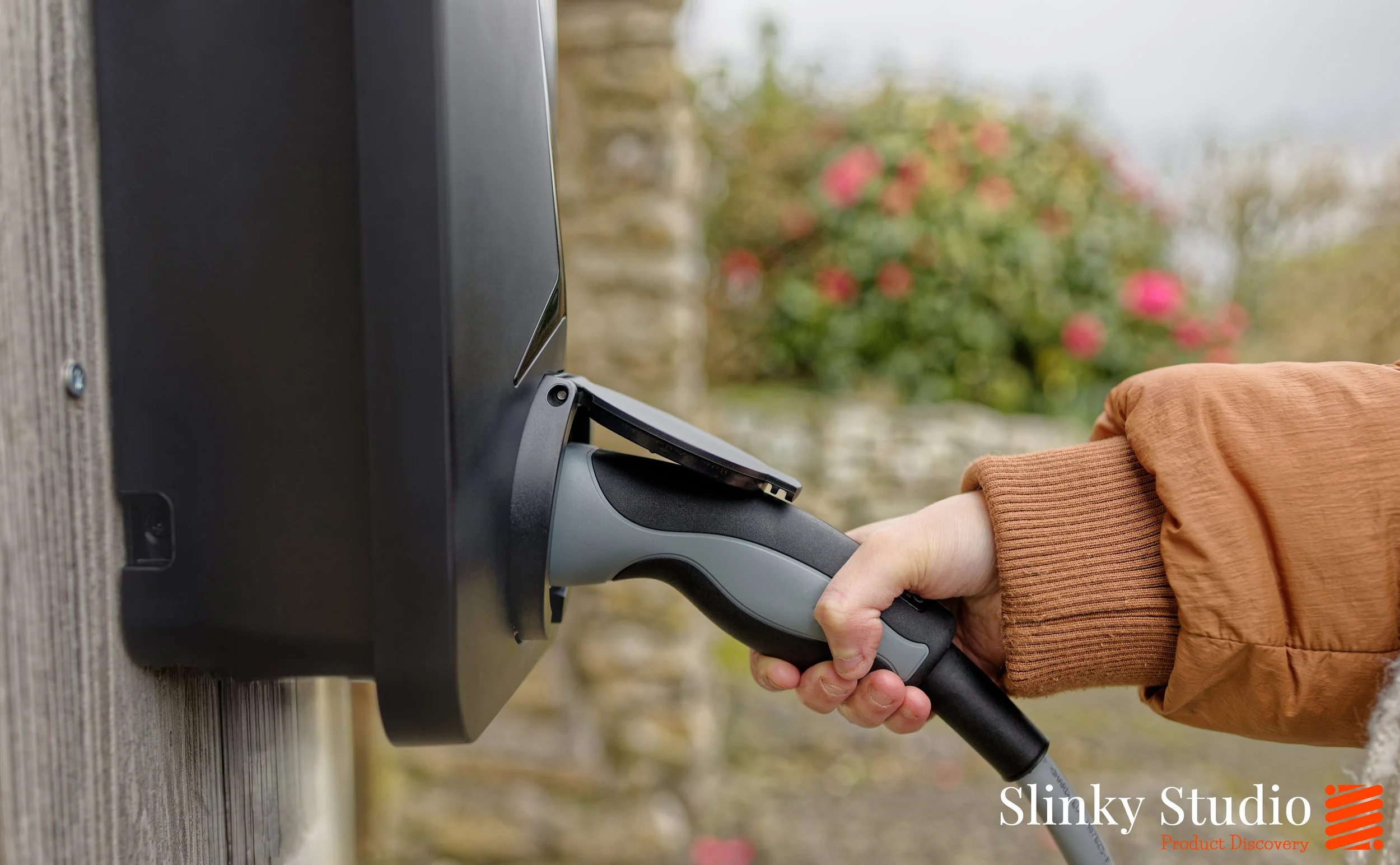
The charger is available in black or white. Given the recent run of Atlantic storms here in Cornwall, with hurricane-level winds, we’re glad we opted for black. It hides wind-driven grime, salt mist and the inevitable winter splatter far better and continues to look crisp even when the weather doesn’t co-operate. There’s also a choice between tethered and untethered versions. We went for the untethered model, which keeps the Cord Zero clean and cable-free when not in use. It feels neater day-to-day and avoids the visual clutter of a permanently coiled lead, although some may appreciate the convenience of a tethered setup. We were pleased to see not a single trace of water under the charger cable door flap, so it seals strongly.
Installation & Setup
We used a local electrical installer who specialises in EV chargers and solar systems, which proved valuable from the outset. Rather than treating the charger as a standalone addition, we approached the garage as a future energy hub.
The plan: Because we were already planning to add a 6 kW solar array and a stackable battery system, we worked with the installer to design the infrastructure properly from day one. Instead of running separate cables back to the house for the Cord Zero EV charger, solar inverter and battery system, a single high-capacity sub-main and separate communications cable were installed with a 30m length run. This feed is sized to handle the combined load and future expansion. The benefits are obvious: fewer cable runs, less disruption, cleaner aesthetics and lower overall cost. It also means the garage now has its own consumer unit, to distribute power to the EV charger, lighting, solar inverter and battery system as they’re installed.
Cable Run & Consumer Unit: The external cable run from the house to the garage took around a day. Once that was completed, a new consumer unit was installed inside the garage. This would act as the central distribution point, and from there a dedicated cable for the charger was run internally along the wooden garage beams. It’s neatly clipped and largely out of sight. The final stretch required drilling through the Cornish granite central pillar between the garage doors to bring a single cable with integrated comms, through to the mounting point.
Mounting the Cord Zero charger: Originally, the plan was to mount the charger directly onto the granite and level the area with cement to create a flat surface. However, the natural randomness and unevenness of the stone made that impractical without significant alteration. Instead, we repurposed some leftover grey composite decking from a previous pathway project, cutting it to size to create a mounting plate. This turned out to be the better solution. It provides a flat, stable surface, complements the colour palette of the garage and gives the installation a deliberate, architectural feel rather than looking retrofitted.
It also simplified the installation process. The charger’s single cable, carrying both power and communication wiring, could be cleanly fed through the composite backing and into the unit without the need for additional surface trunking.
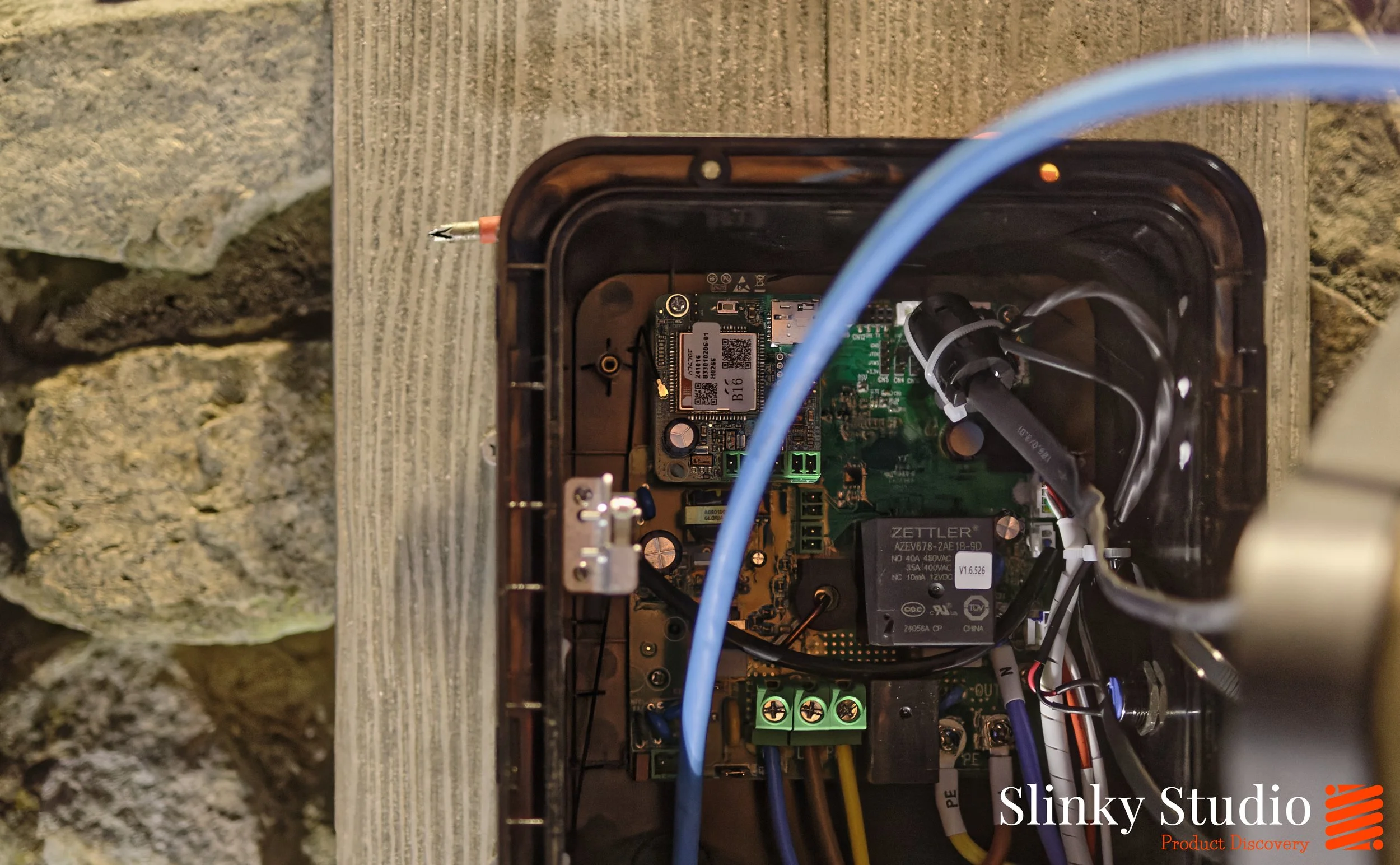
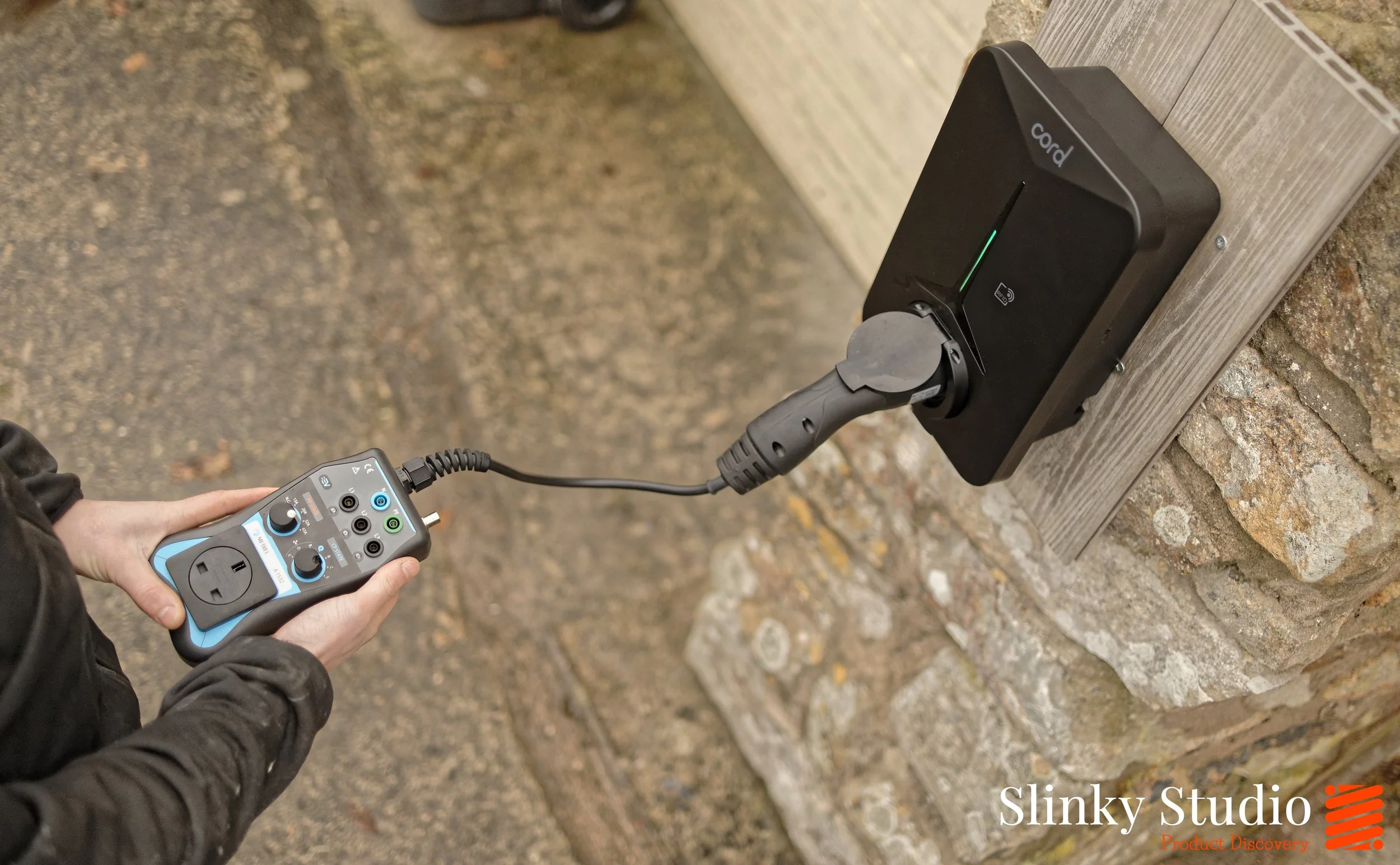
Commissioning: Once physically mounted, the Cord charger was wired into the new garage consumer unit via its dedicated breaker and protection devices. After that came commissioning, the part most people never see but arguably the most important. This included: Electrical testing for continuity and insulation resistance, verification of earthing arrangements, RCD and protection testing, power-up and firmware checks, pairing the unit with the app via Wi-Fi or 4G and registering and configuring charging limits. Only after all safety checks were completed was the unit fully energised for live use.







Cord App
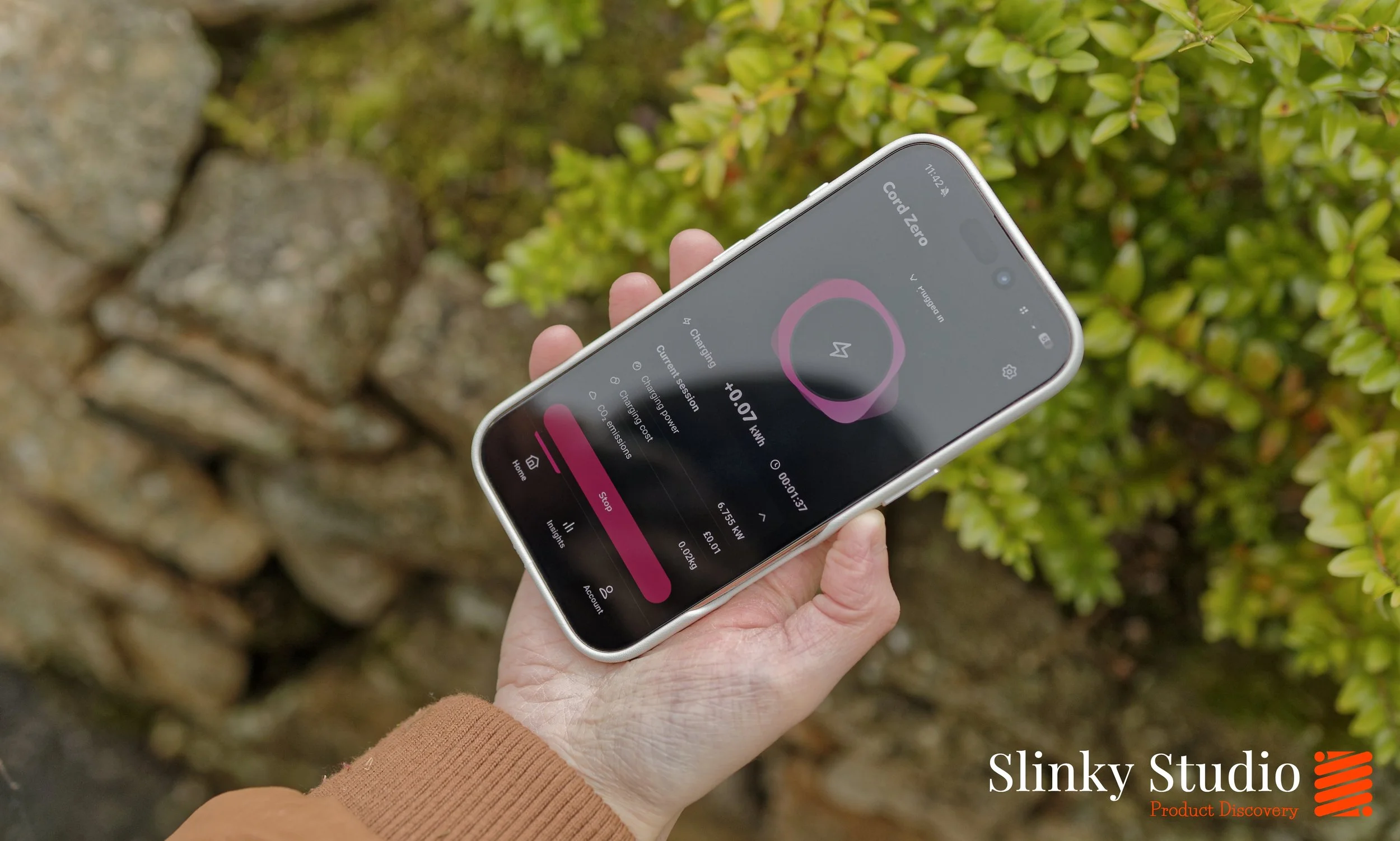
The companion Cord app is fast, well laid out and refreshingly efficient. There’s plenty of functionality here, but it avoids the endless sub-menus and clutter that plague some smart home apps. Most controls are accessible within a couple of taps, and the overall layout feels considered rather than technical for the sake of it. Security features are pleasingly simple but effective. You can require app authorisation before charging starts, useful if the unit is accessible to others, and on the untethered model you can lock the cable into the charger while in use, or permanently if preferred.
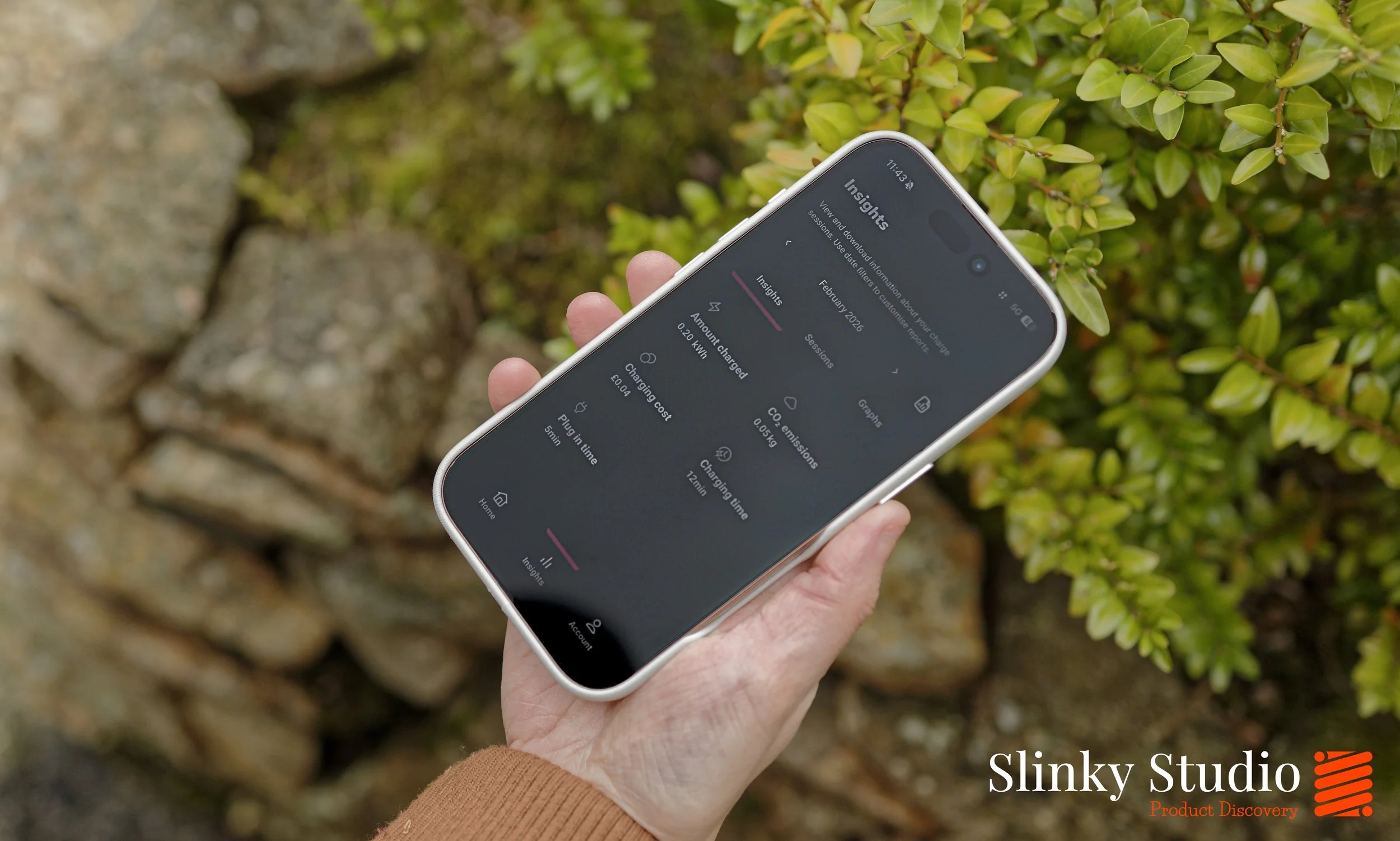
The Insights tab provides clear, charted charging data that’s easy to digest at a glance. You can review session history, energy delivered, duration and estimated cost where tariff integration allows. It’s not overloaded with statistics, but it gives enough visibility to understand usage patterns and track savings without feeling like you’re managing a spreadsheet.
Our Cord Zero is connected to 4G instead of Wi-Fi, for even though it was in range to allow the charger to use our network, it would occasionally disconnect as it was on the very edge of the network. 4G has never once disconnected, and the signal we’re getting is the strongest it could possibly be.
Charging
Charging speeds are up to 7.4kW, and that maximum rate was feeding into our EVs with no quibble continuously, with no spikes or ramping down. That’s about 24-30 miles of range added per hour; which varies depending on your car and efficiencies, but that’s broadly the scope of range that would be added, covering most EVs for sale today.
We can set the Cord Zero charger to start charging the moment a car is plugged in or schedule it to set fixed charge windows, which is ideal for time-of-use tariffs. There’s also intelligent scheduling powered by Raya, the system’s AI-based energy optimisation platform. Raya analyses your usage patterns and tariff structure to automatically select the cheapest and often greenest charging windows, adjusting dynamically rather than relying on static timers. We’re not entirely sure who this is for, but our Cord Zero is using the Octopus Intelligent Go tariff.
Octopus Energy has recently enrolled this charger into their Intelligent Go tariff, although Octopus treats this as a beta for now, so the setup process was a bit arduous with another app needed to onboard it for it to be seen by Octopus. But once this process was completed, it lives under the devices cabin of the Octopus app. What’s more, we can make use of cheap electricity (7p per kWh where we are) at night and sometimes during the day. Octopus can occasionally push additional low-cost windows when there’s excess generation on the grid. What’s more, this isn’t just for the car during the day, it’s your entire home!
The Cord Zero also comes with RFID access cards: small, credit-card-sized fobs that communicate with the charger wirelessly. This makes it easy for visitors or Airbnb guests to start charging without needing the app, a thoughtful touch for shared or short-term setups.
Cord Zero utilises a hard-wired CT clamp, which apparently enables solar-awareness rather than basic grid-only charging in the way our system has been designed. The exact behaviour (and whether it will do true real-time diversion based on solar alone) will depend on how your system as a whole is wired and whether the CT is seeing excess solar production and grid import. It will be interesting to test this once our solar and battery are installed.
Verdict
Maybe Zero stands for zero hiccups. After three months, the Cord Zero has proven to be exactly what we hoped for: straightforward, reliable and quietly capable. Installation is straightforward, especially with the way our garage setup was planned, and the build feels solid and weather-tight; it hasn’t been fazed by the recent fierce Cornish storms.
Charging is exactly as expected: it starts when we want it to, holds the rate reliably, and works seamlessly with Octopus Energy Intelligent Go (beta). It also looks smart on the wall — modern and minimalist without being too flashy, and the small design touches, like the three‑spoke motif around the LED, make it feel considered rather than utilitarian. The app mirrors that approach: simple, responsive and easy to navigate. Reviewing past charging sessions is effortless, and adjusting schedules or settings takes seconds rather than minutes. The only question we have is just how well it will integrate and recognise our solar setup when installed? We'll keep you updated.
So, altogether, the Cord Zero is a truly dependable (backed by a 5yr warranty), well-considered charger that just gets on with the job. £949.00 installed - Charger only price £475.00.