TOZO PA2 Speaker Review
A swamped portable speaker market has another entry vying for your music to be heard through it: The TOZO PA2 speaker. So exactly what is different, and does it have any unique features or value propositions that set it apart for around £40?
Design
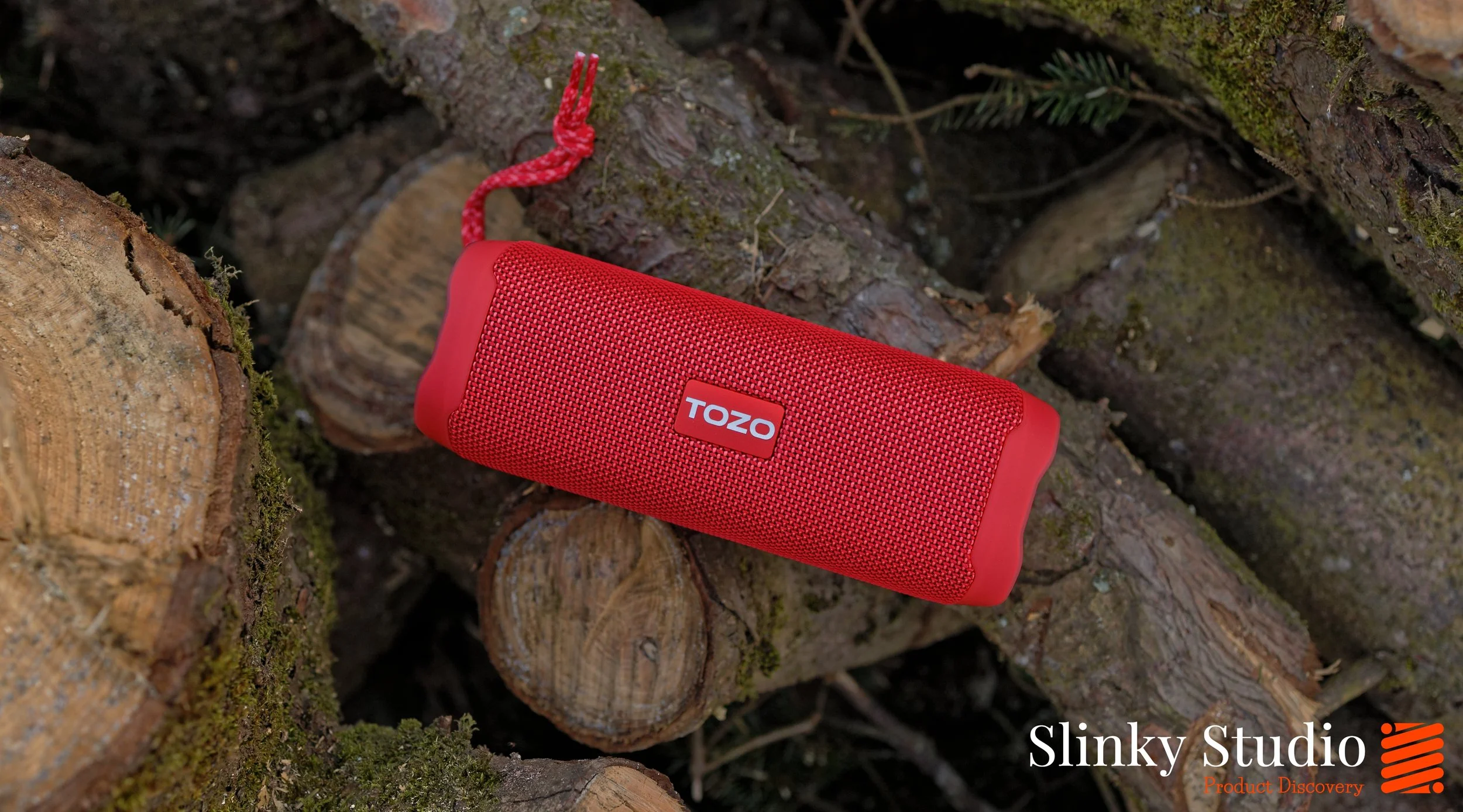
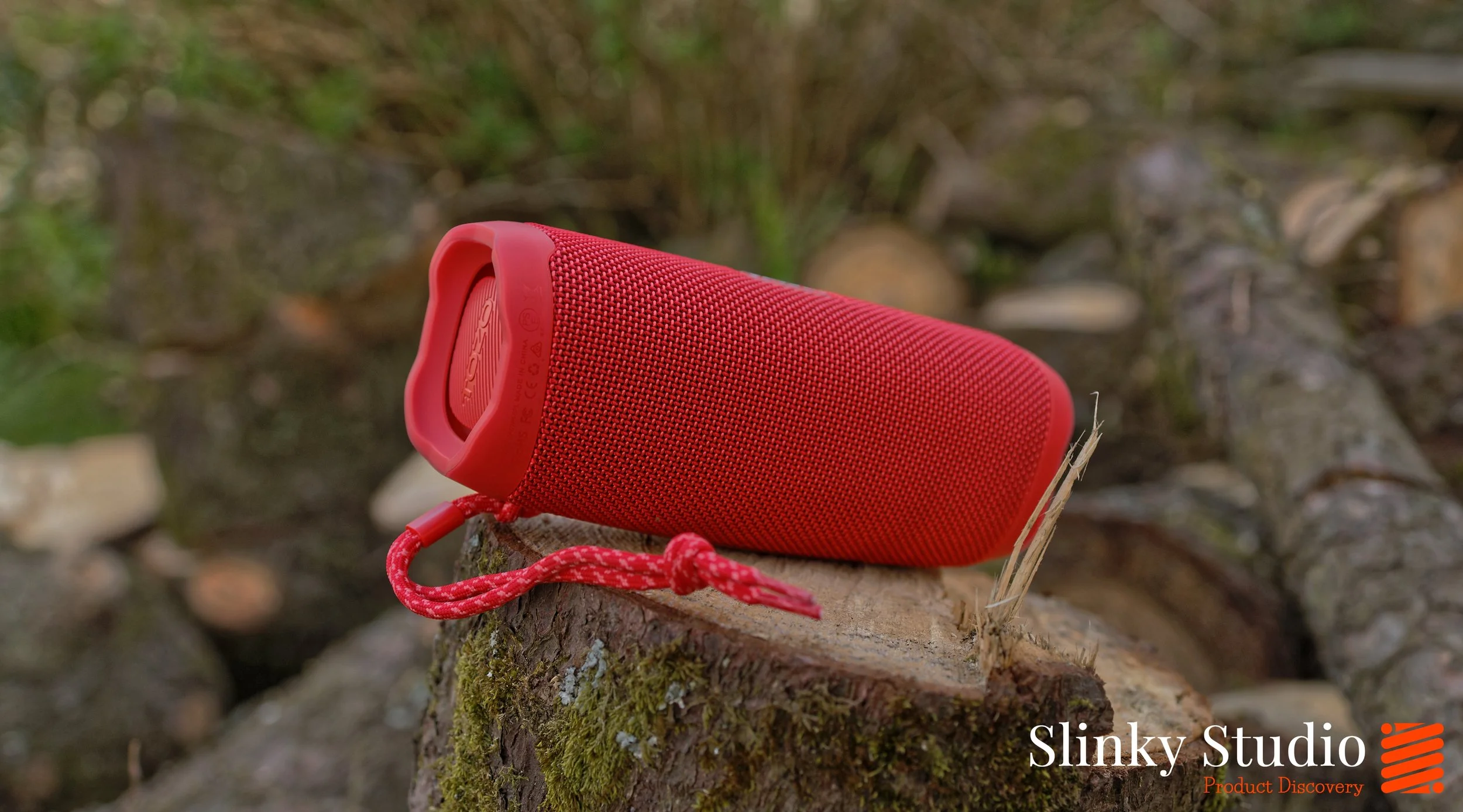
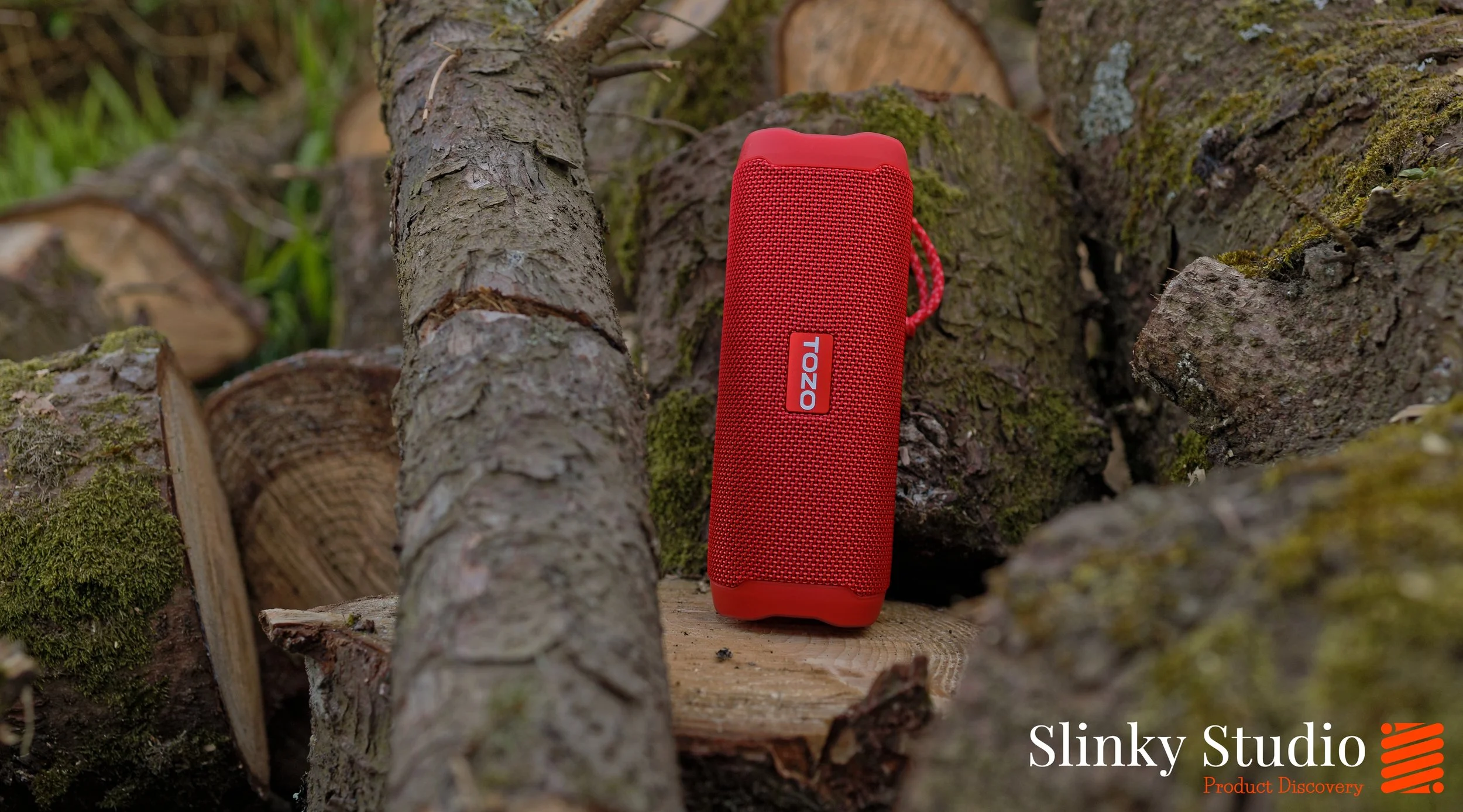
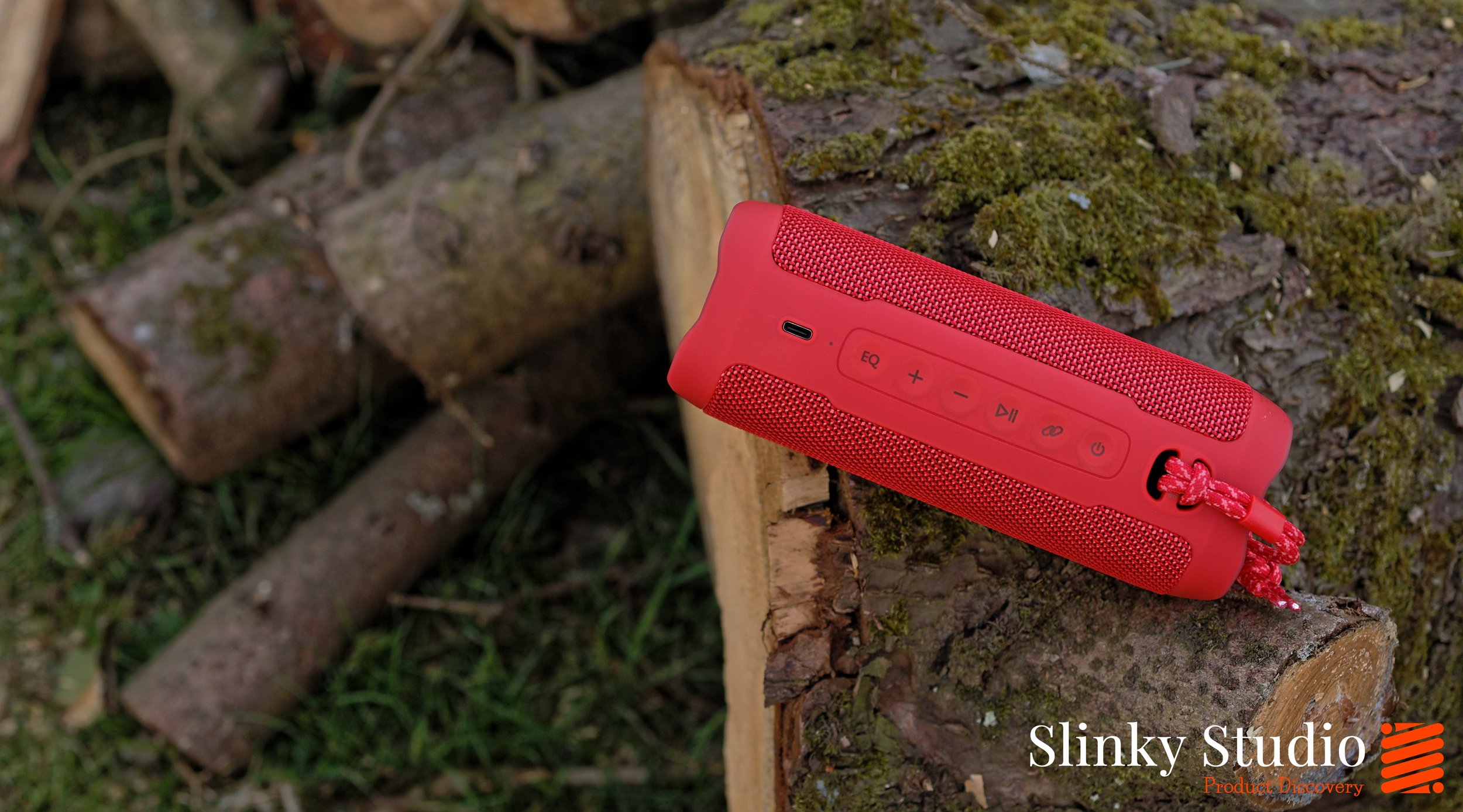
It has a form factor that is now almost universal, which is its tubular silhouette; something that dominates the portable Bluetooth speaker market. In fact, it’s a rather good-looking piece of kit, with just enough personality to stand out. Our unit arrives in a bold, confident red, the kind of colour that leans into fun rather than subtlety. It’s refreshingly unapologetic and gives the PA2 a bit of visual energy, though if that’s not your style, more understated beige and black options are also available.
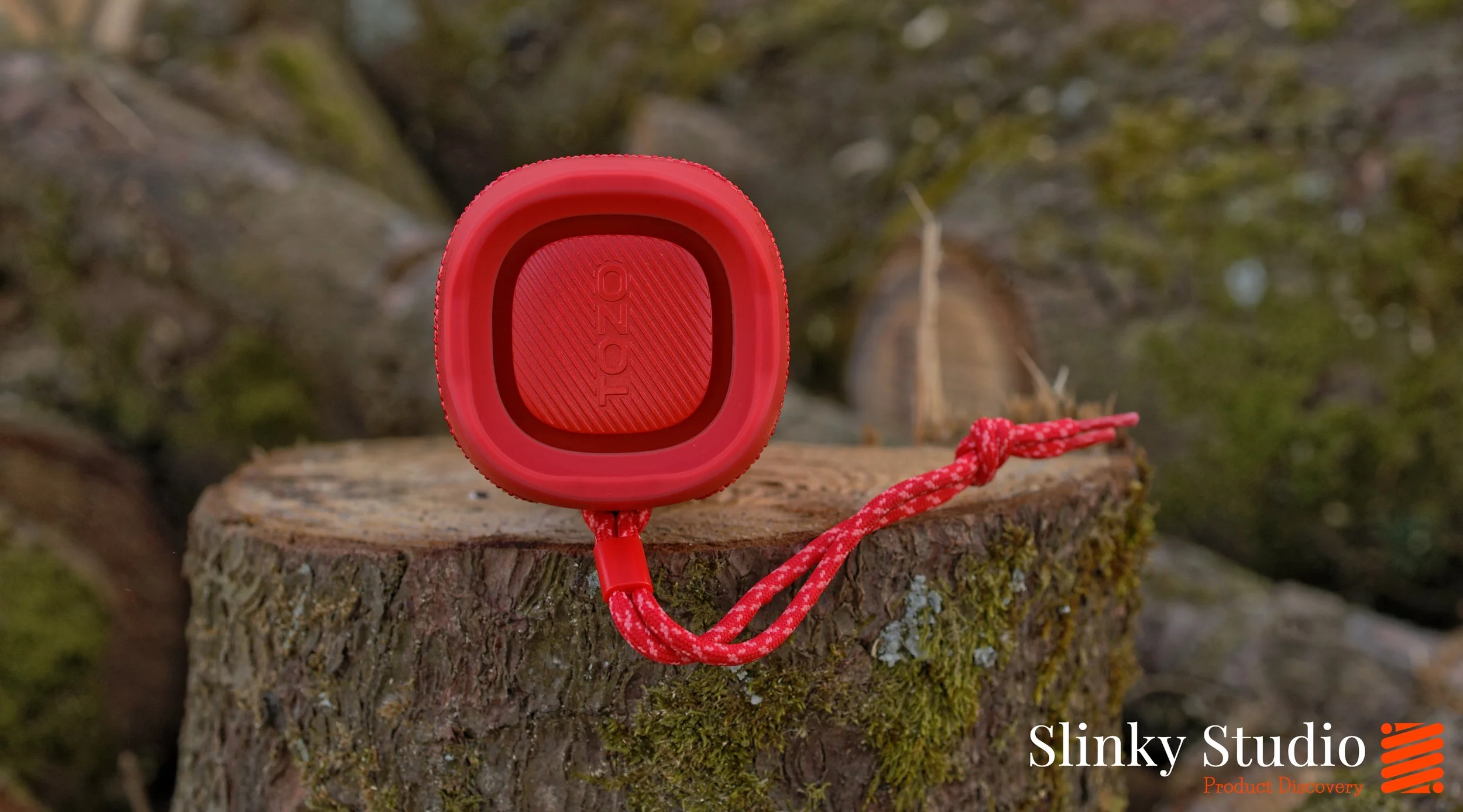
In the hand, it immediately dispels any notion of being a budget speaker. There’s a reassuring heft to it, the kind that suggests substance rather than compromise. What might initially pass as a metal mesh exterior is actually a tightly woven fabric, lending a softer, more tactile feel that’s genuinely pleasant to hold. The rubberised ends contrast nicely, not just visually but functionally too, adding a sense of durability that encourages you to chuck it in a bag without a second thought.
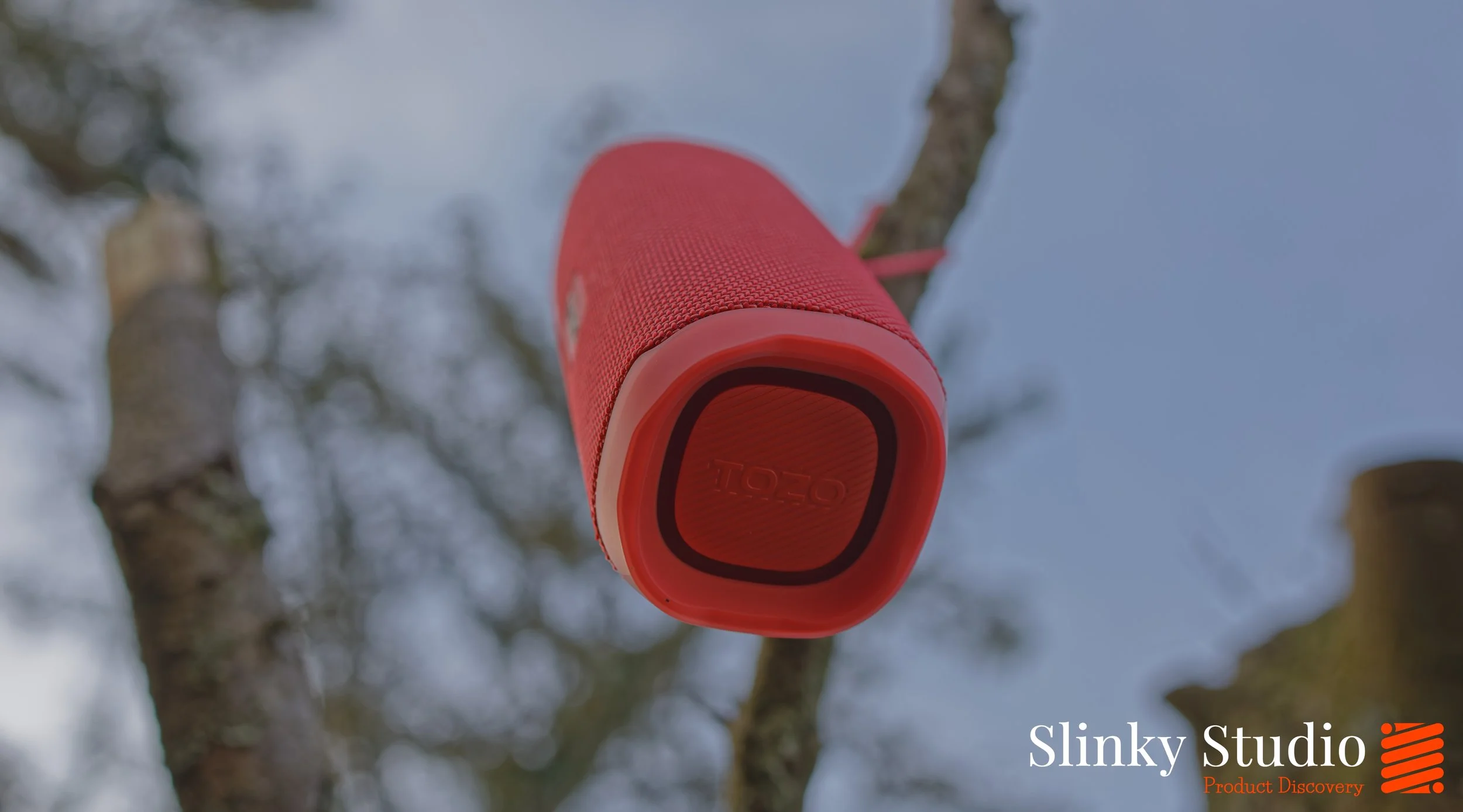
A small but welcome addition is the optional lanyard. It’s the sort of feature you might overlook until you actually use it, but we have made good use of it around the wrist and hanging it from a hook on tree branches outdoors.
That said, not everything is quite as refined. Around the back, you’ll find a row of physical control buttons. While it’s always appreciated to have direct access to playback and volume, the execution here feels a little clumsy. The squidgy nature of the design makes them less intuitive than they should be, and they require a surprising amount of force to register a press. It’s not a dealbreaker, but it does interrupt an otherwise fairly well-considered design.

Audio Quality
The TOZO PA2 speaker makes its presence known straight away. Bass is the headline act here, delivering a depth and warmth that feels almost cinematic at times. There’s a richness to low-end playback that gives tracks real body, especially noticeable with electronic or cinematic scores where that underlying rumble adds atmosphere rather than just noise.
Despite the dual drivers and bass diaphragms, which you’d imagine suck more power out of the 2000mAh battery, its actual playback time is a respectable 20ish hours. But the PA2 speaker doesn’t really give any glimpse of a traditional stereo soundstage. Instead, it produces what can best be described as a hazy stereo effect, everything blends into a single, cohesive output rather than spreading across space. There’s no real sense of left-to-right positioning; it’s more of a unified 'wall' of sound. That works in its favour outdoors, though. This thing gets properly loud and projects confidently, with no danger of being drowned out in open environments.
Where it becomes a little less refined is in the midrange. At times, it feels like it creeps too close to the upper frequencies, creating a slightly compressed or crowded sensation. This isn’t just when bass is dominating, it can show up in more vocal-led tracks too, such as when playing 'That’s So True' by Gracie Abrams, particularly with higher-pitched voices where things can sound a touch strained or overly forward.
TOZO includes an EQ button that cycles through a handful of presets when pressed. It’s a nice idea in theory, though in practice it feels a little opaque, as there’s no clear indication of what each profile is trying to achieve. That said, one setting does stand out and opens up the sound considerably with better clarity and separation. It’s the one you’ll likely settle on quickly, even if you’re not entirely sure why. But the TOZO app opens up 16 different EQ settings, along with additional adjustments.
Verdict
It looks good and feels surprisingly premium, if you ignore the awkwardly sticky and firm-to-press button array. It delivers a big, warm sound that’s far more about presence than precision.
Outdoors, it makes a lot of sense and has no trouble exaggerating itself over conversions. Indoors, you’ll start to notice its limits more, with that lack of separation and slightly crowded mids creeping in.
The EQ helps (once you find the one setting worth using), but this isn’t a speaker you tweak endlessly. It’s one you turn on, turn up, and get on with. Not unique. Not subtle. But actually quite likeable because of it.