
Range Rover Evoque P270e Review
Range Rover has long held a certain desirability, from its design language to its brand image and capability. But with electrification pulling more drivers towards pure EVs, the Evoque now offers a battery-assisted option, the P270e PHEV (plug-in hybrid), placing it at an interesting crossroads. With its ability to glide around purely on electric power and also take on longer journeys in hybrid mode, it could be a smart middle ground, depending on how much you drive, though for those yearning for the full benefits of an EV, it may still feel like a compromise. Even so, the P270e offers a quiet glimpse into what a fully electric Range Rover future may look like.
Design
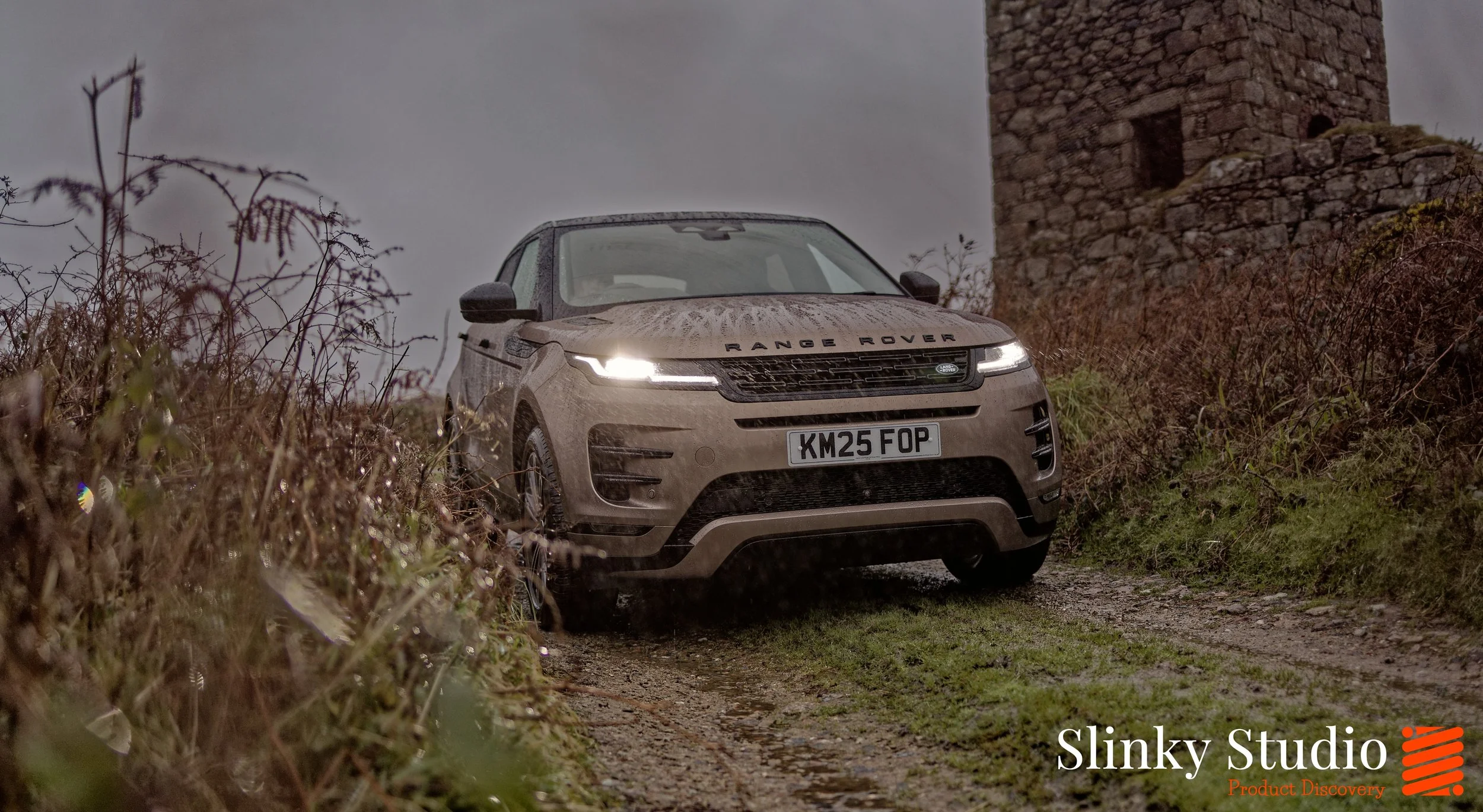
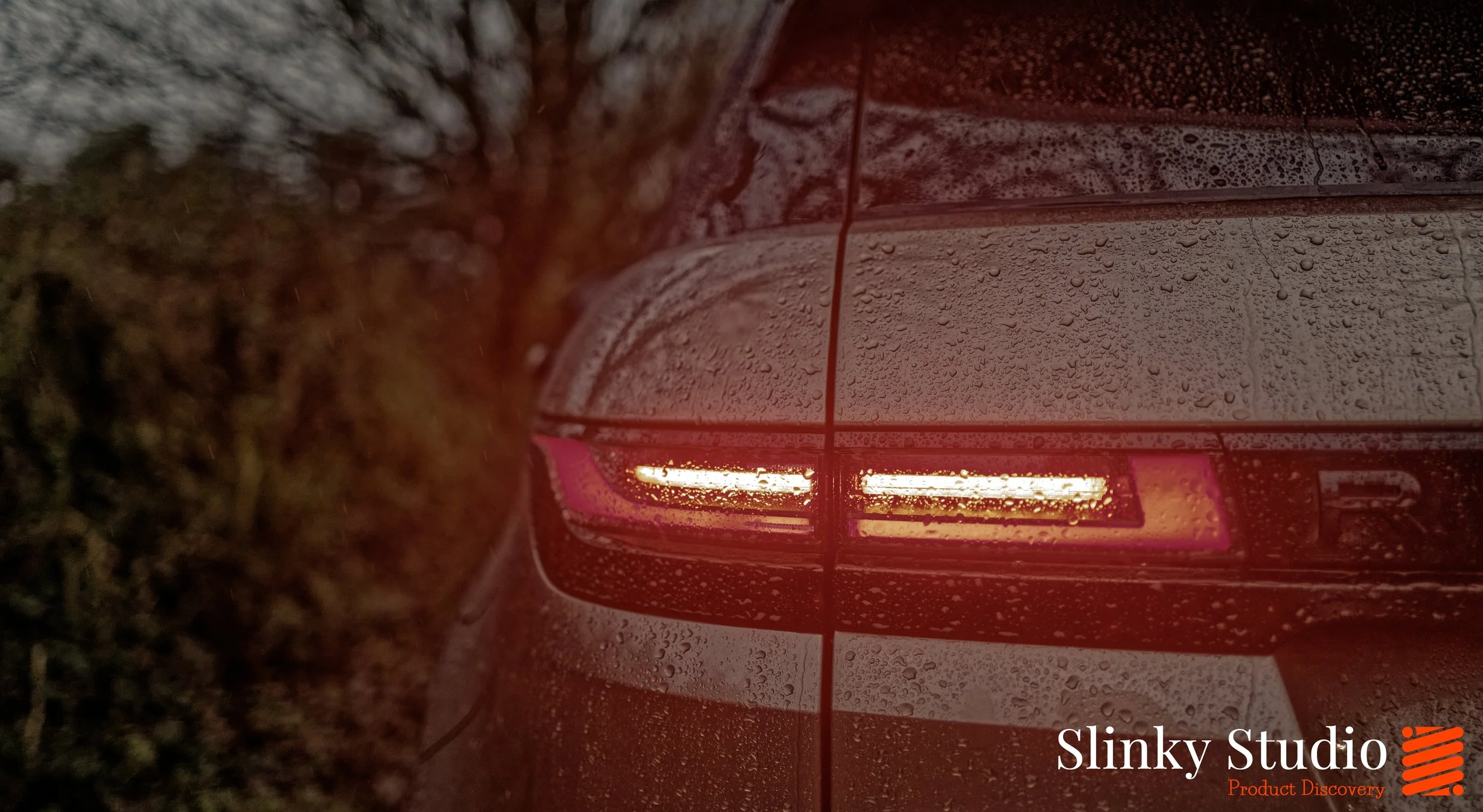
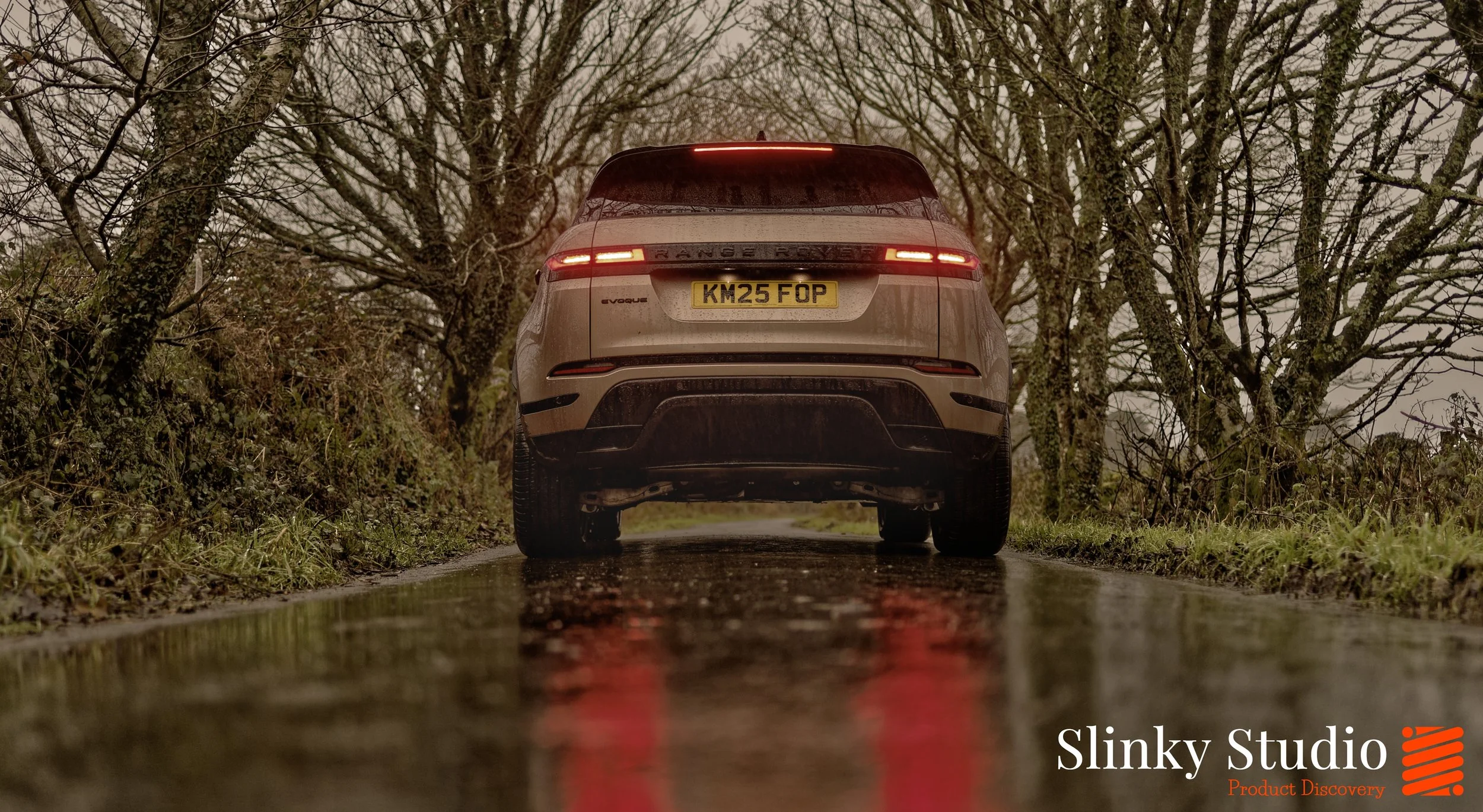
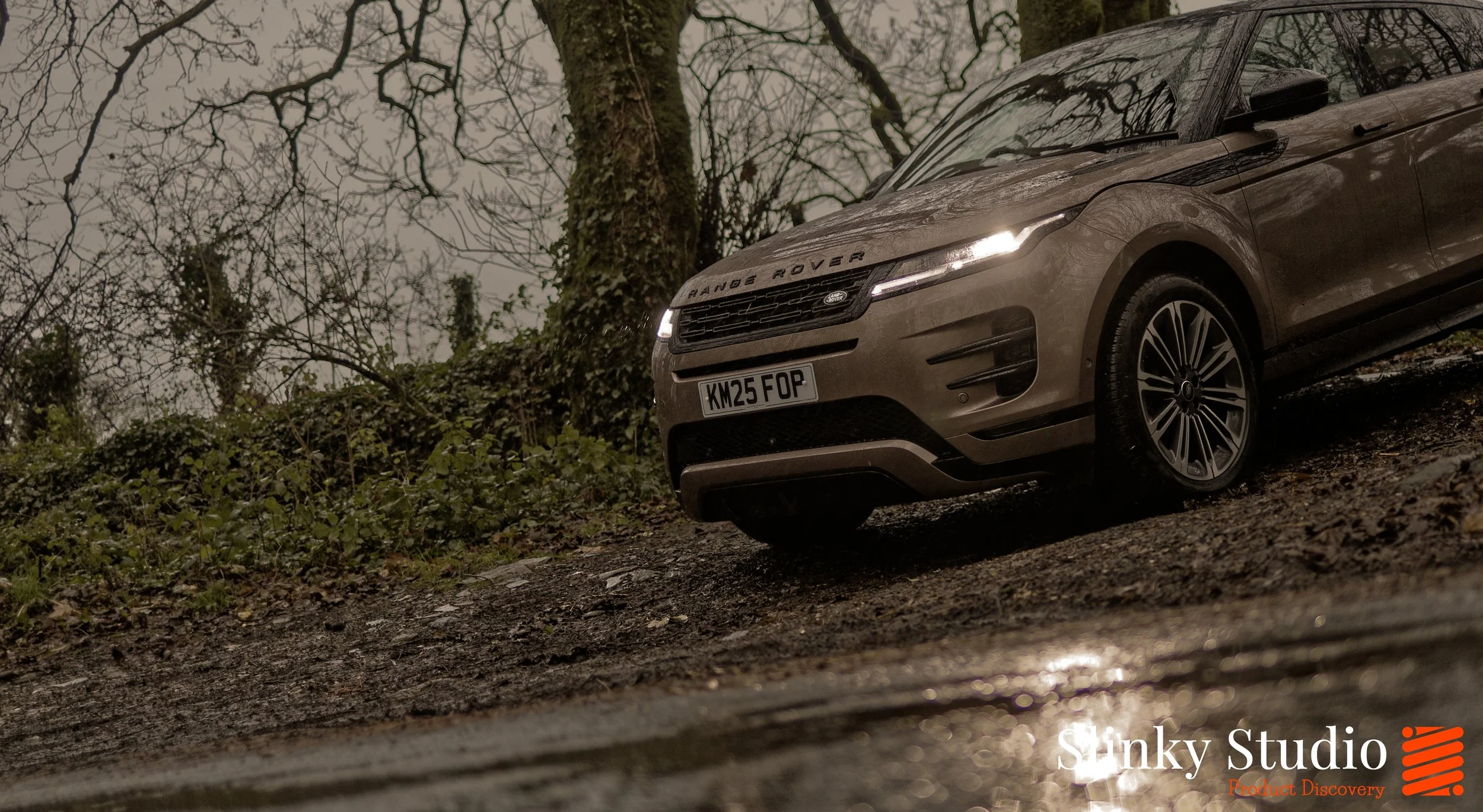
We’ve never seen a Range Rover Evoque in this Corinthian Bronze finish before, and it has to be said that the colour brings a real freshness to the familiar shape. It accentuates the subtle surfacing work, the rising waistline, the crisp shoulder crease, the flush-fitting door handles and the tightly drawn LED light signatures, all of which pop far more boldly in this shade. As the years have passed, so have the refreshed designs of this model, and if you zoom in on the details, there are cameras dotted all over it now, a charging port on the left and a petrol filler on the right.
From the side, the 2025/2026 model year Evoque has a cat-like stance, crouched and ready to pounce. The contrasting black roof and wide mirrors sharpen that athletic look, while the silver diamond-turned alloys complete the aesthetic with a perfectly judged touch of elegance. It measures 4,371mm long, 2100mm wide and 1,649 mm tall. It sits on a wheelbase of 2,681 mm, compact enough to feel nimble for city streets, yet substantial enough to give that SUV presence.






Interior
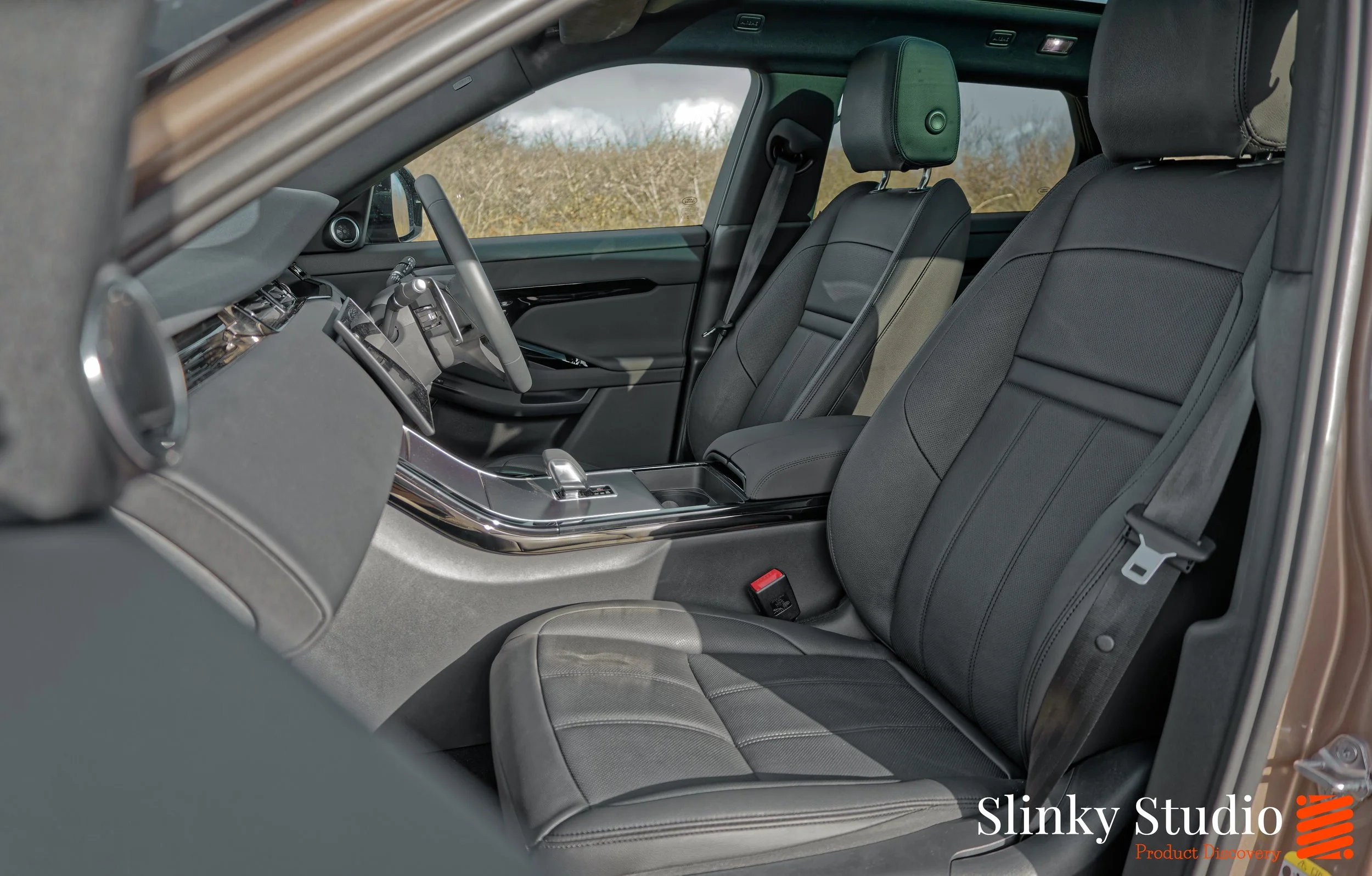
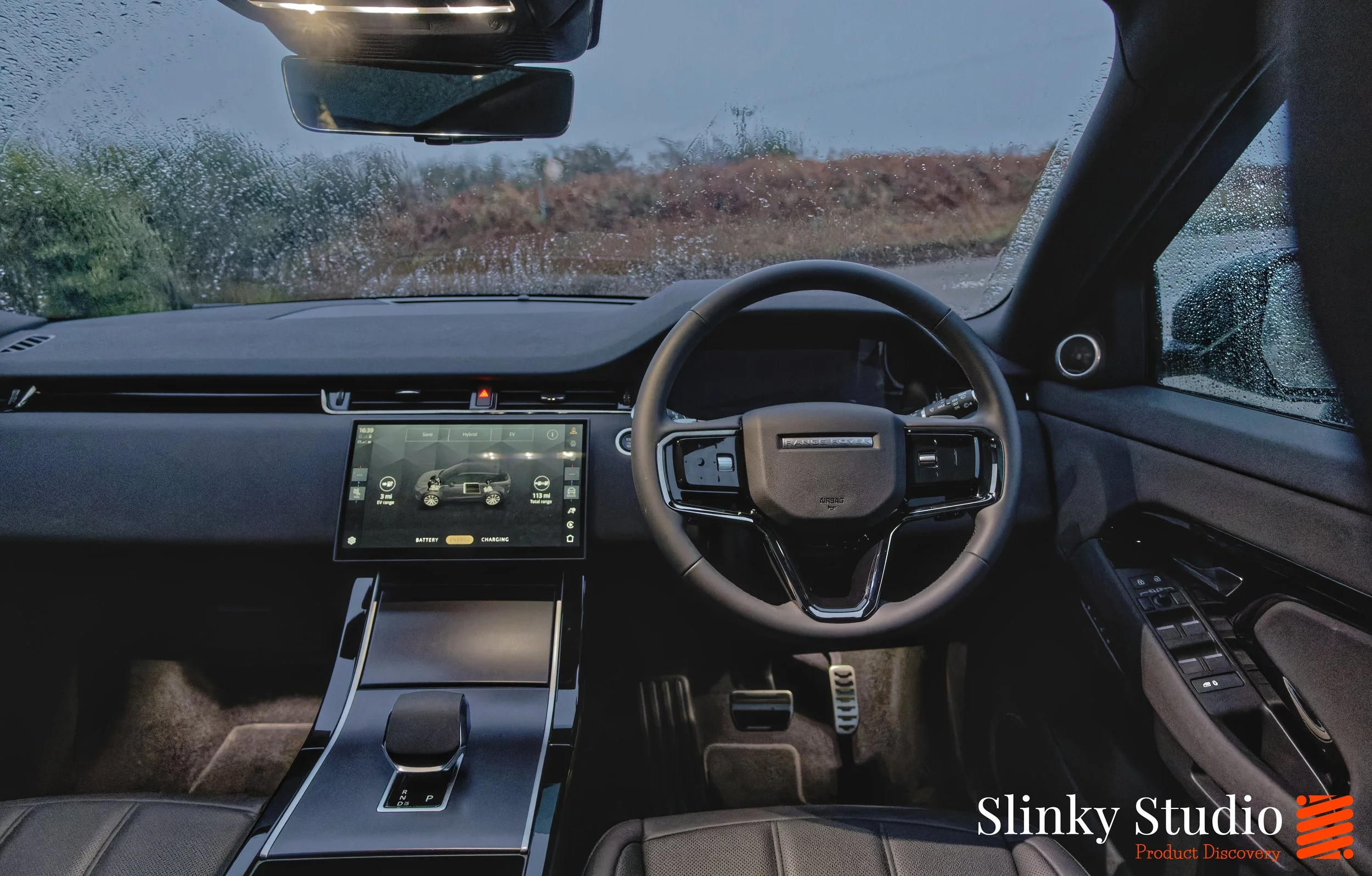
The front of the cabin is dominated by generously cushioned, electrically adjustable seats, 12-way for the driver with three memory presets, and 10-way for the passenger with three memory presets as well. You’ll want to take your jacket off to fully appreciate the comforting, enveloping hug they give. With temperatures in Cornwall dipping to around 1°C during our drives, the heated front seats were very much appreciated.
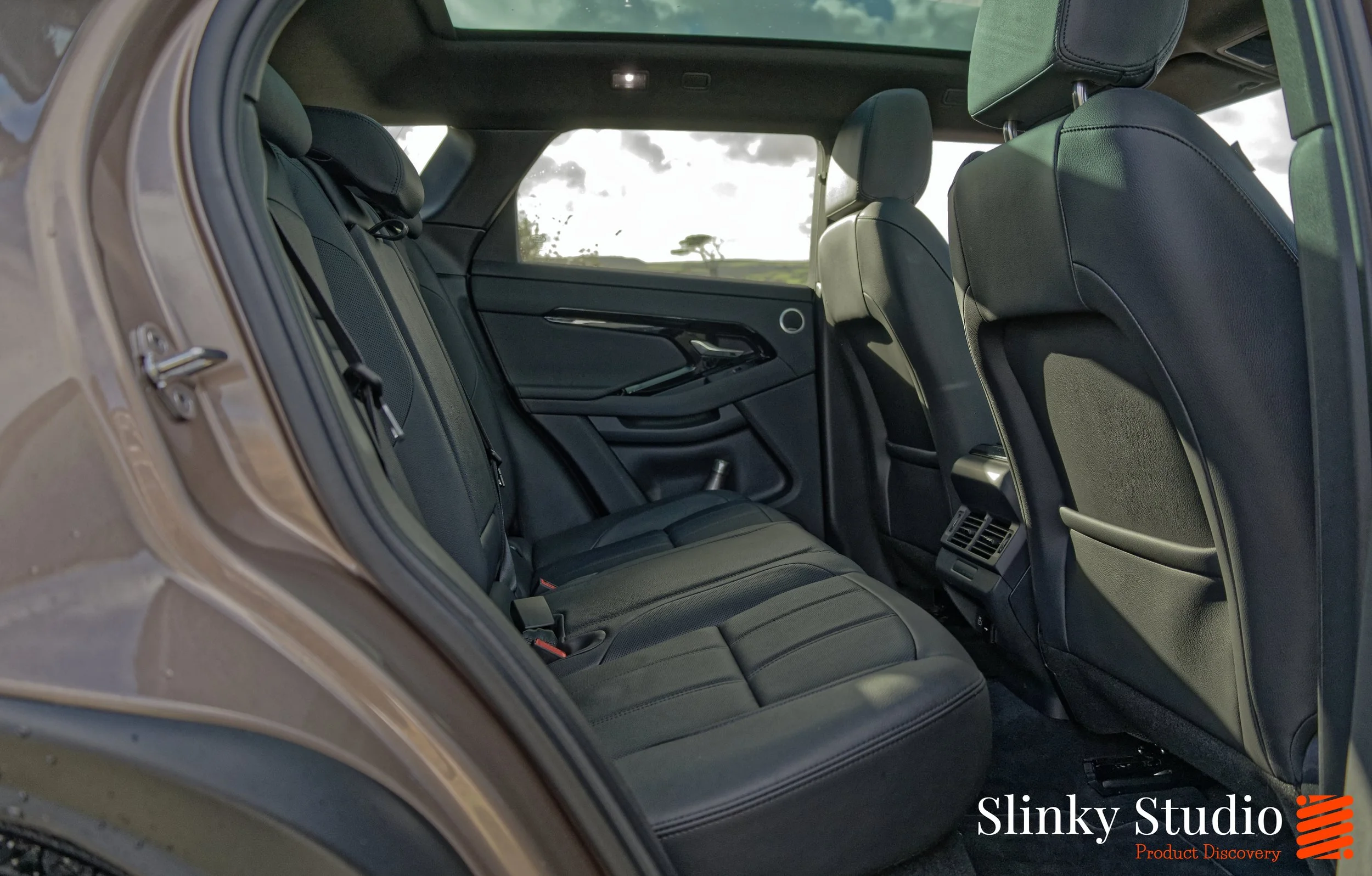
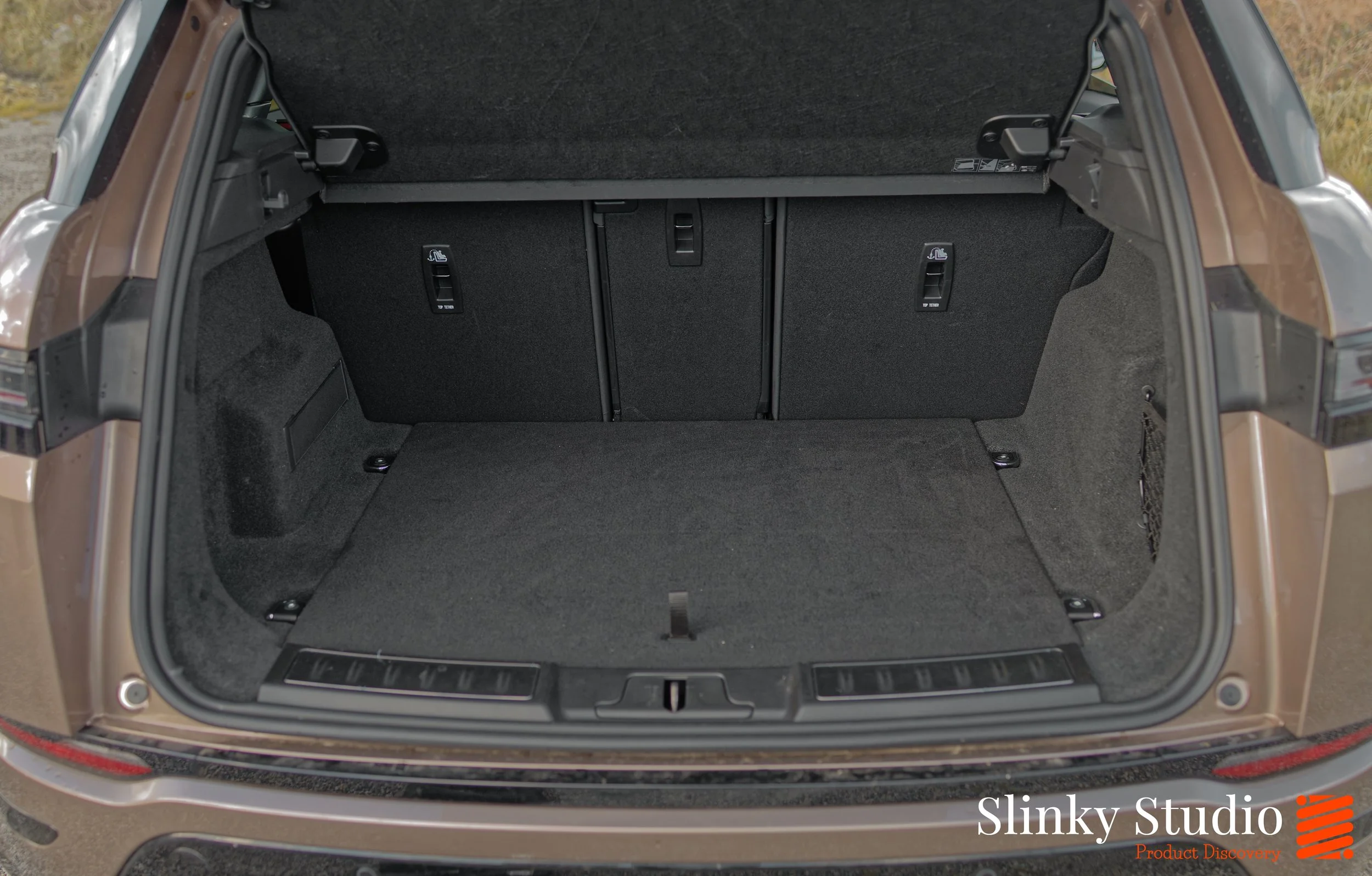
Rear passengers aren’t left out either. The back seats offer solid long-journey comfort, with supportive adjustable headrests and a width that feels relaxed rather than restrictive. Legroom isn’t in the same league, but it’s adequate for four adults on longer trips, and the ability to slide your feet under the front seats helps. As is the case with many SUVs, the middle rear perch is firm and best kept for occasional use, whereas the fold-down armrest with dual cupholders is a daily convenience.
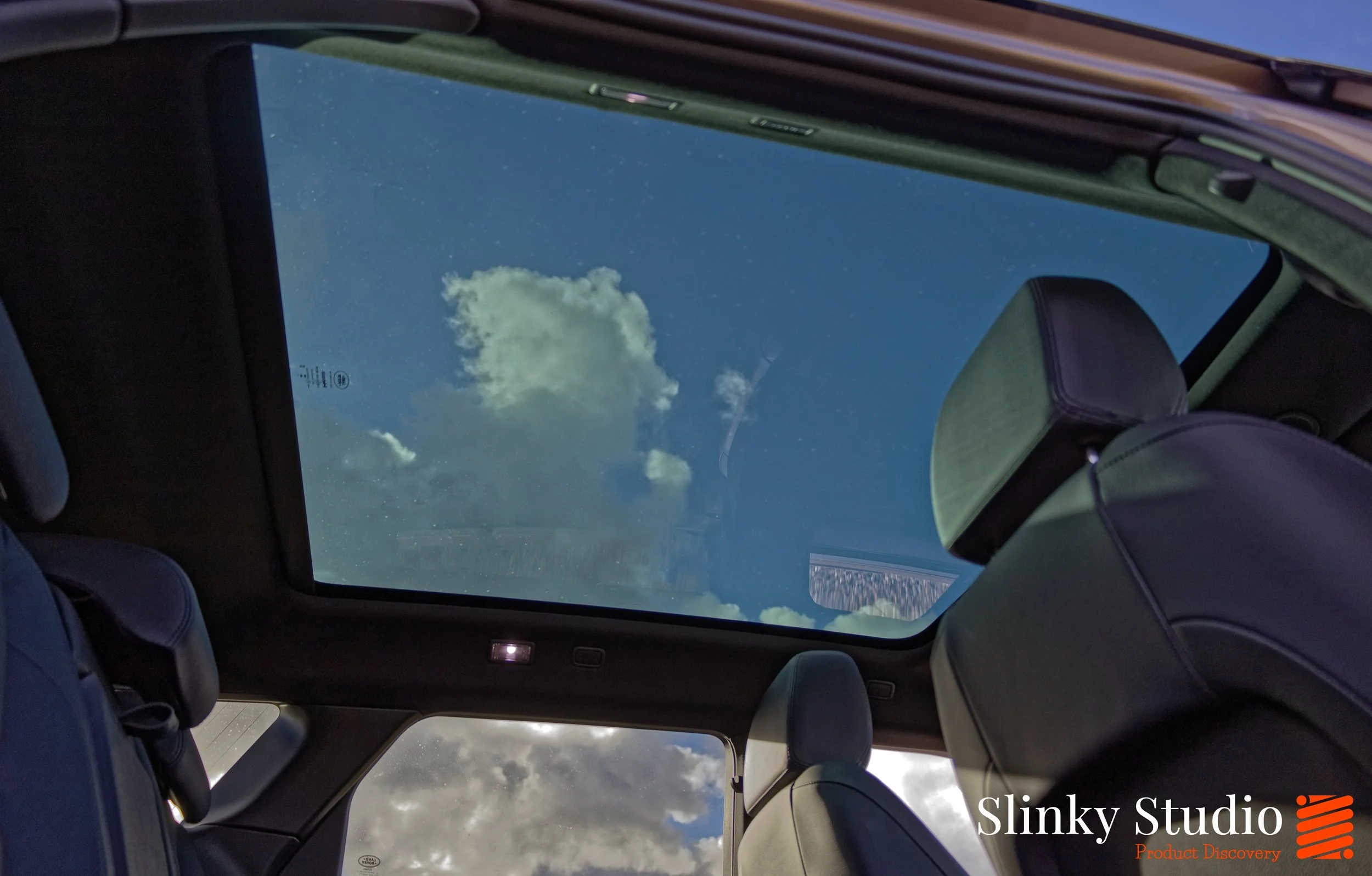
A panoramic roof is, in our view, a must-have option on the Range Rover Evoque. It’s a single, uninterrupted sheet of glass that floods the cabin with light yet remains tinted enough to avoid overheating in summer. When desired, a powered blind glides across to create a cosier ambience.
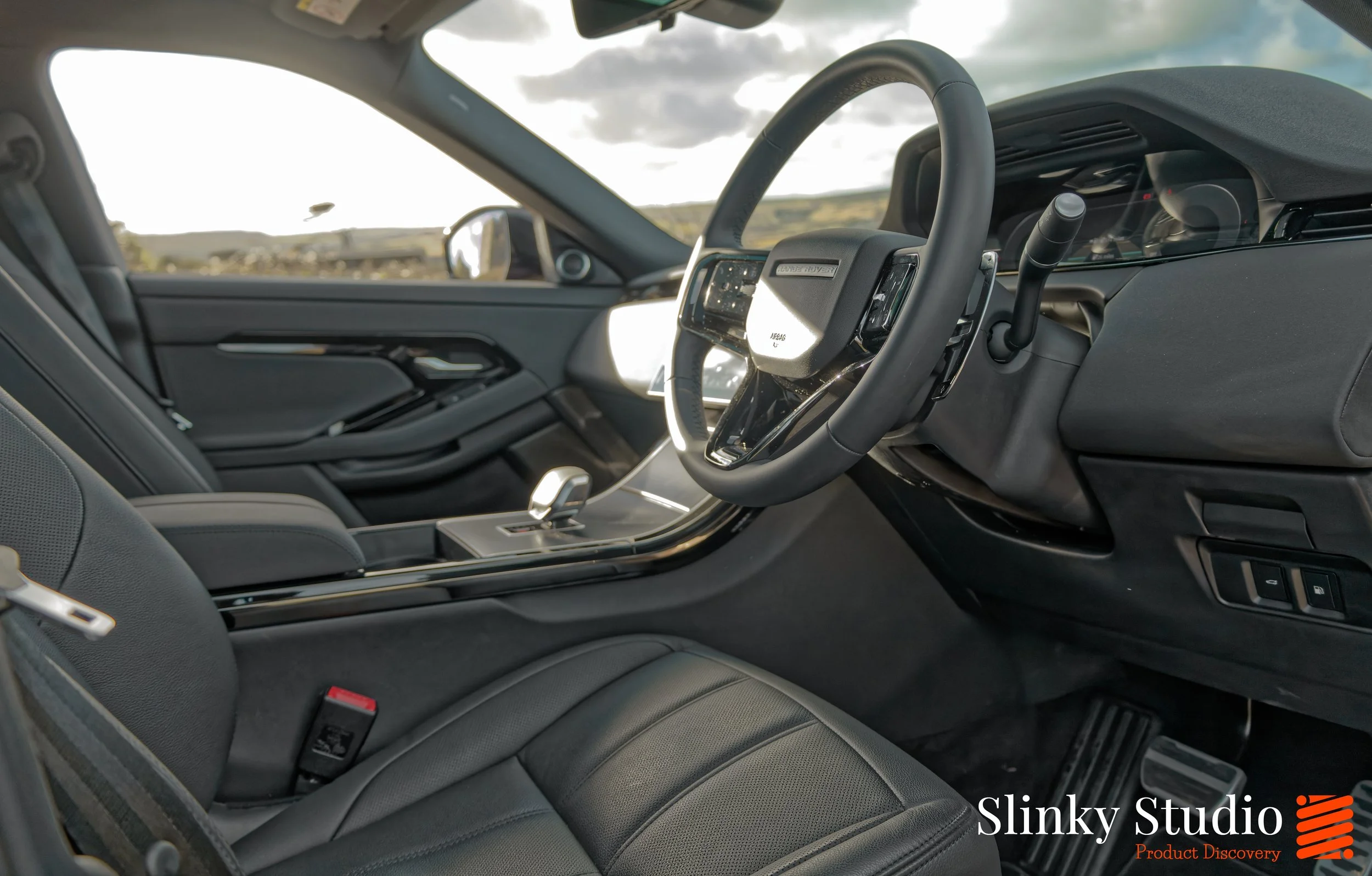
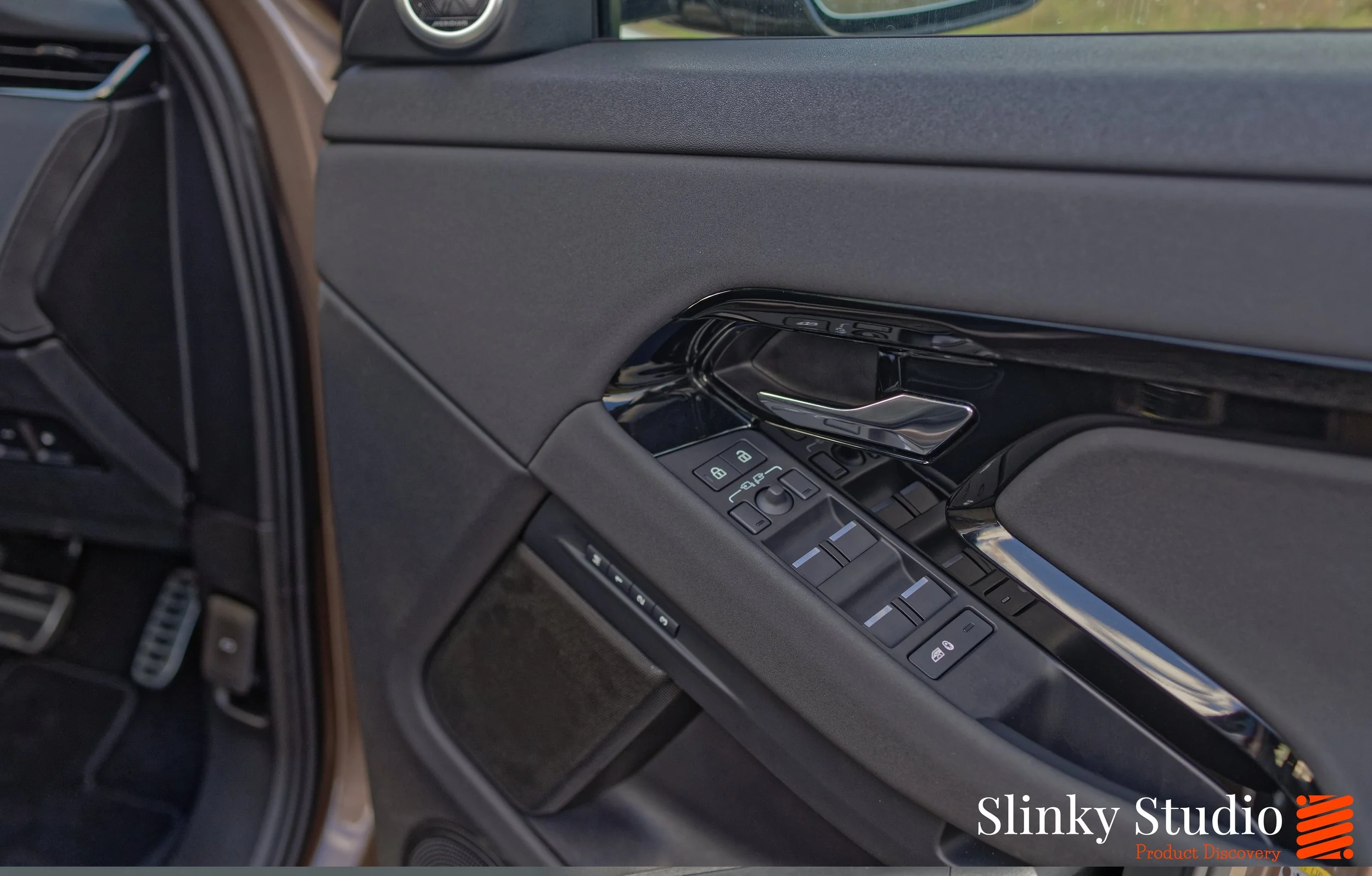
Our test model featured an Ebony interior with grained leather seating, soft-touch accents on the doors and lightly padded surfaces in key contact areas. On exploration of the cabin, running hands over materials, interacting with controls and settling into those superb seats, gives a definite sense of premium intent. But there are also plenty of harder plastics scattered throughout, and they become more noticeable in a darker colour scheme. A lighter interior option would likely lift the space and create more visual contrast.

Tech
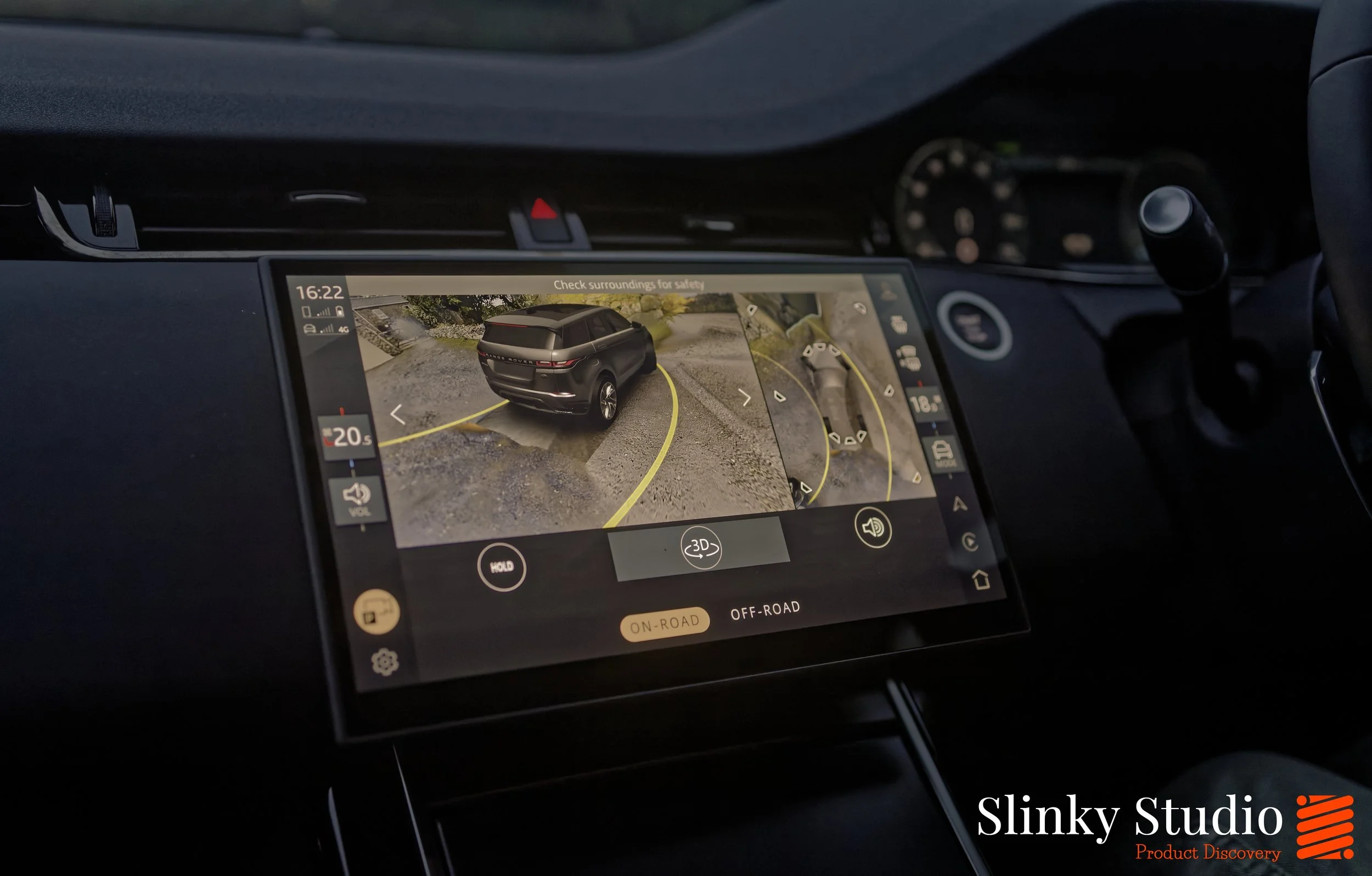
The camera system is impressively crisp, with the 3D surround view adding a theatrical flourish as it smoothly pans around the car. Our only desire was that there were an option to manually spin the view rather than relying solely on the preset angles; though, to be fair, those angles do provide a genuinely comprehensive perspective.
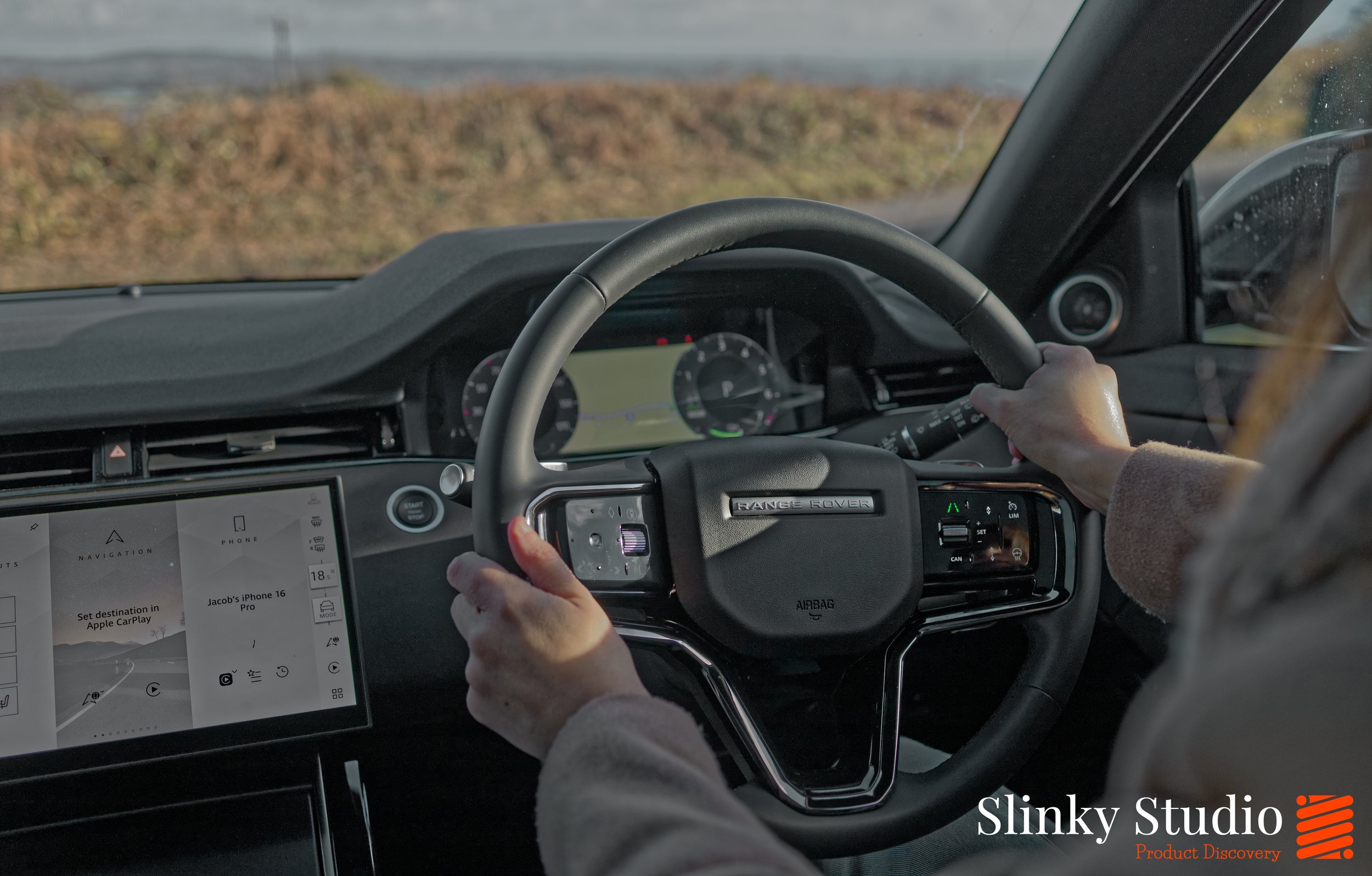
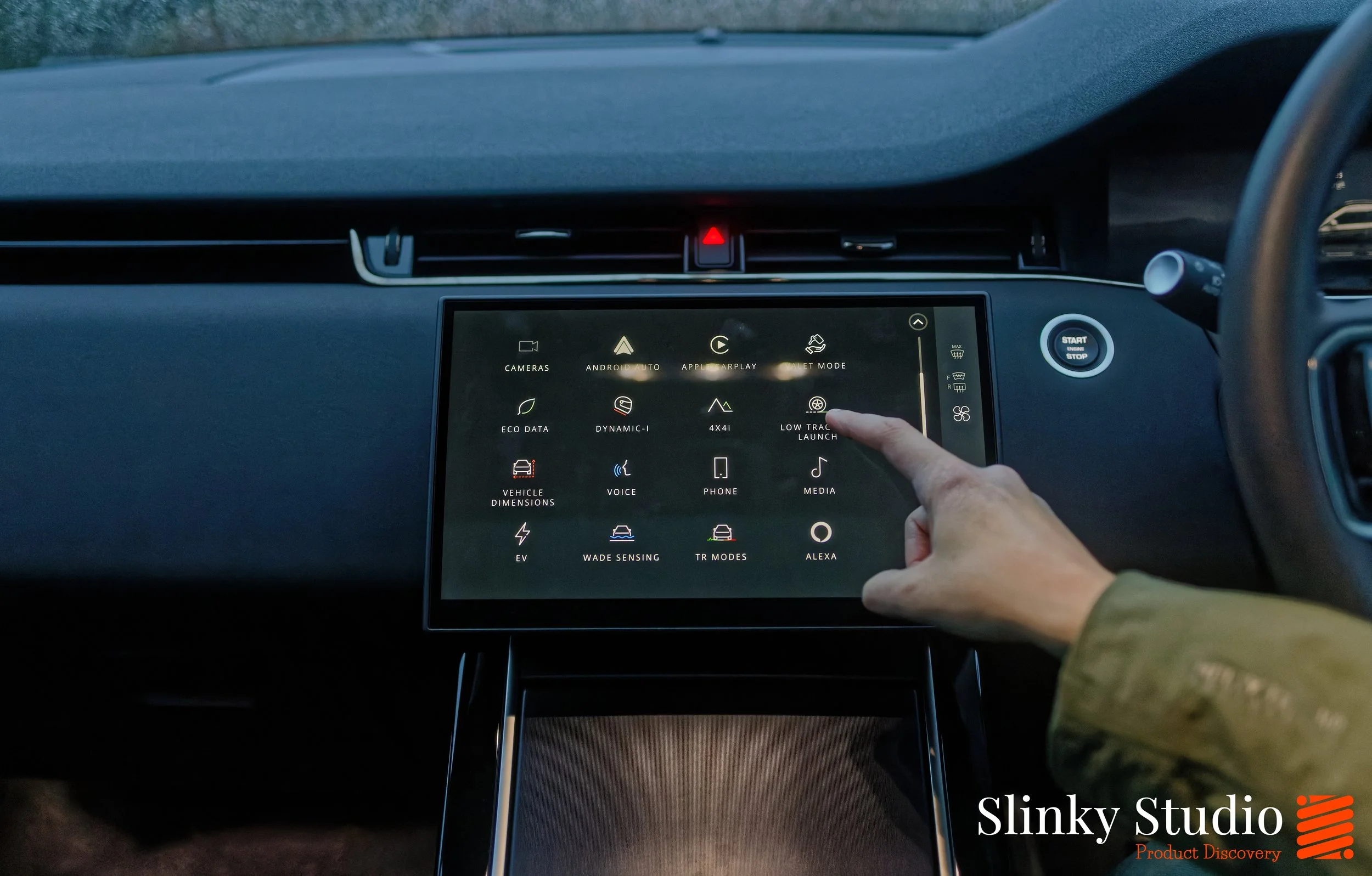
One of the standout pieces of technology is the Pivi Pro infotainment system. It proved flawless throughout our time with the Range Rover Evoque, packed with thoughtful UI touches that make it feel fluid and modern. Volume and temperature controls can be dragged like sliders, animations are snappy, and core functions like climate, vehicle settings and camera views respond instantly. It’s all refreshingly intuitive and we have little to criticise here.
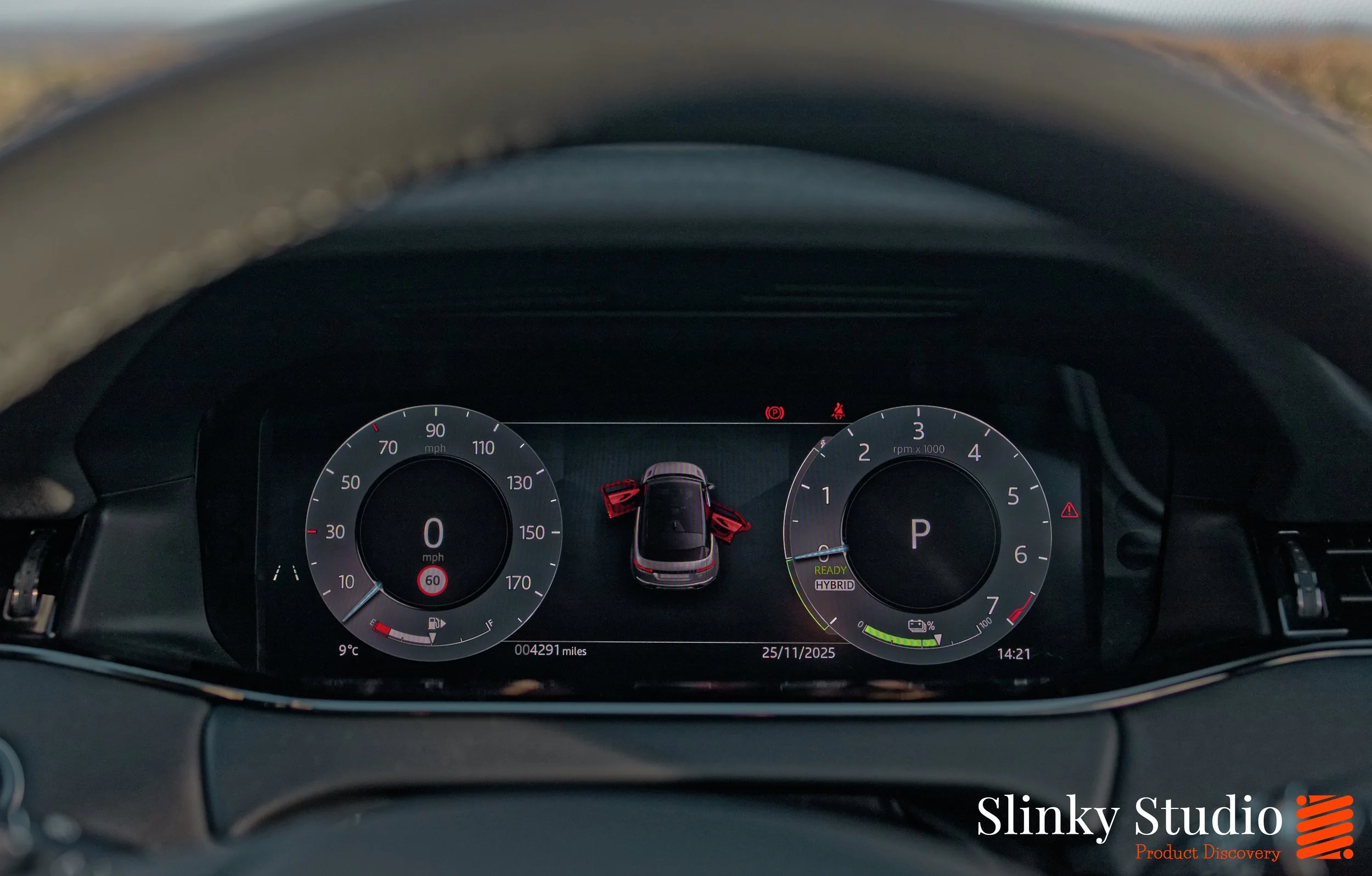
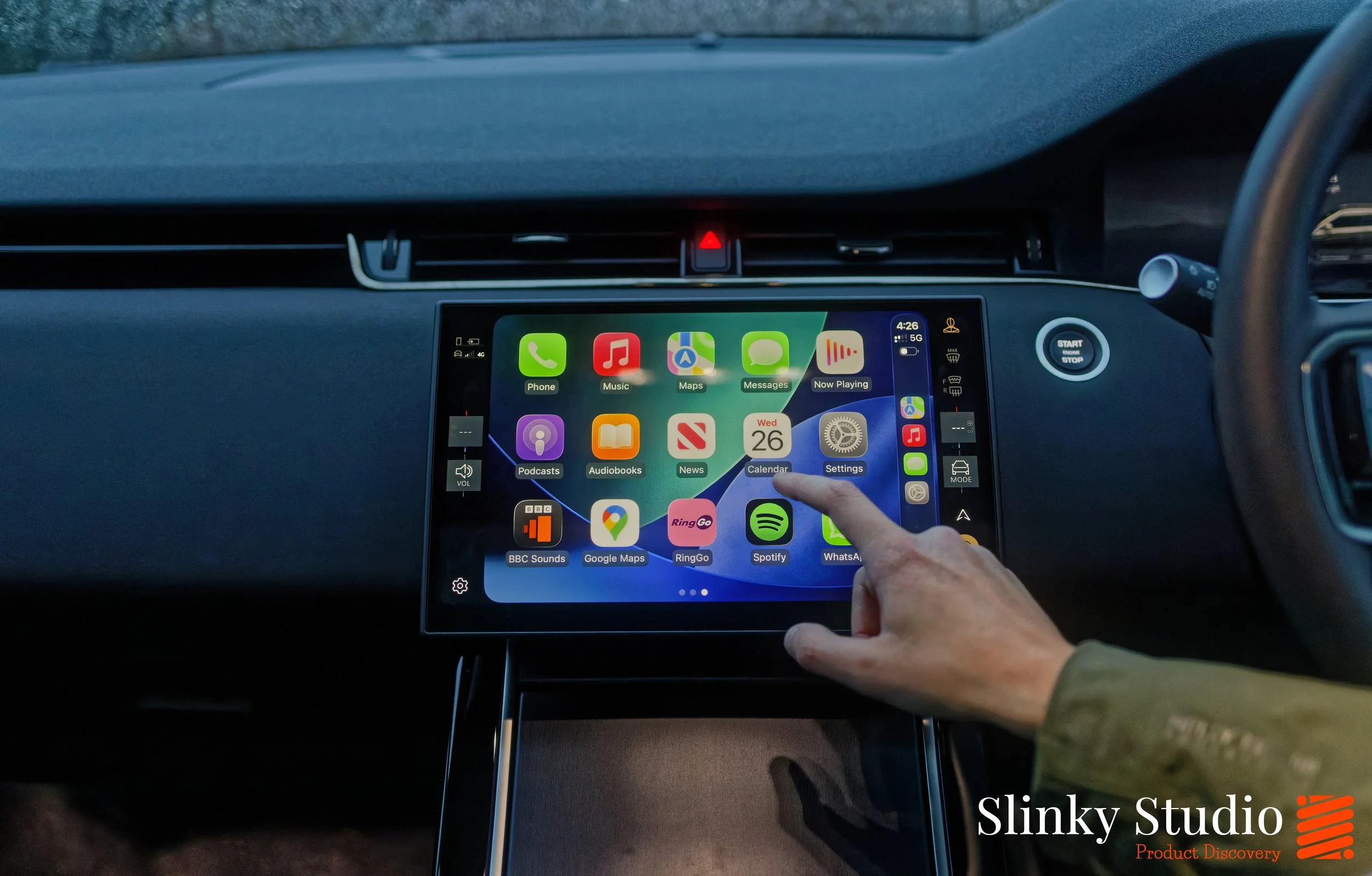
Apple CarPlay and Android Auto are both supported. We used CarPlay, which basically fills the entire 11.4” screen, connects quickly the moment you get in and runs smoothly. There’s even partial integration into the driver’s display for map guidance. Speaking of which, the digital driver’s cluster is nicely customisable, letting you prioritise map views, trip data, speed, or range information in whatever layout suits your preference.
The ClearSight interior rear-view mirror is something you really have to experience. Flick the toggle and the mirror transforms into a live feed display from the rear camera. Everyone who drove the Evoque ended up preferring it, especially at night. Digital mirrors take some getting used to; the perspective and focal distance feel different to a physical mirror, but Land Rover’s implementation is excellent. Brightness and angle adjustments help it feel natural, and once you adapt, the clarity is hard to give up.

Hybrid Tech Explained
The Evoque P270e pairs a 1.5-litre three-cylinder petrol engine driving the front wheels, with an 80 kW electric motor on the rear axle, creating an all-wheel-drive setup of 269 bhp without a physical driveshaft. A 15 kWh battery (around 12 kWh usable) feeds the motor, enabling a claimed up to 41 miles of electric range and even DC rapid charging at up to 32 kW, unusually fast for a PHEV, but feels slow compared to a pure EV.
Driving
EV mode is likely going to be the one most will use for everyday driving; going to the shops, the school run and general local bobbing around. With the average UK driver covering only around 20 miles a day, and the median sitting closer to 7–10 miles, the Evoque’s electric range comfortably covers most daily journeys without the petrol engine ever needing to start. It’s charmingly smooth too; the acceleration won’t hurl you back into your seat like so many modern EVs, but it’s more than enough for everyday pace, and cruising at 70mph is no bother at all. Visibility is good thanks to the raised seating position and plenty of glass, which encourages a confident stance, and at night the front automatic dipping LED headlights work flawlessly, reacting instantly to oncoming traffic without hesitation.
Temperatures plummeted to 1°C when the Evoque arrived, which made it a good testbed for winter range. After several journeys across B-roads and country lanes, all with heated seats, a heated steering wheel, fan heating running and speakers playing, it achieved around 27–32 miles (2.2-2.6 mi/kWh). That falls short of the claimed 41 miles, but we’d expect it to edge closer in warmer months.
For journeys beyond that, Hybrid mode becomes your friend. It’s a sophisticated setup that blends AWD traction, electric smoothness and the efficiency benefits of a PHEV without ever feeling complicated from behind the wheel. At lower speeds, or when you’re gentle on the throttle, the Evoque leans on its rear electric motor for quiet, emissions-free driving. Press a little harder or join a faster road, and the petrol engine begins pulling the front wheels, with the electric motor filling in gaps to make acceleration seamless. With a full battery in Hybrid mode, the Evoque has been well engineered to feel remarkably similar to driving in EV mode; calm, confident and breezy. The electric side also provides those bursts of torque for hill starts, overtakes and slippery conditions; it’s simply a very well-executed system. On the motorway at 70mph, the petrol engine takes the lead, while the electric motor steps in to support efficiency. We saw trip computer figures between 100–150mpg when the battery was helping, but this nosedives once the battery is depleted, which, in our experience, happened after 50–70 miles on our various trips.
Once the battery is used up, that 1.5l engine begins to take a more prominent role; you begin to hear the engine work harder and the gearbox shifting more clearly, and the whole drive feels less refined and less “Range Rover-like” as a result; it’s a smooth automatic, but the whole character of that easygoing ride isn’t there. The electric side still takes part = but less often; electricity recouped from the engine is sent into the battery and there is also regenerative braking, which surprised us because it doesn’t even hint at one-pedal driving, but instead you need to press on the brake pedal as you would in an ICE Range Rover. For long journeys that pass by chargers, it seems worth keeping the battery topped up, not only for economy, but because it’s simply the best version of this car when it has charge to play with.
There’s a hint of sportiness in the way the Evoque moves (0–60 in 6.8s in hybrid mode), with steering that’s dynamic enough to offer some thrills and cornering that feels secure rather than floaty. The suspension deserves praise too, as it shoulders potholes and uneven surfaces with a soft, composed confidence. It’s not jiggly or unsettled; instead, it feels sure of itself, which in turn helps it take corners with more poise than you might expect. Cabin noise is modest, not as hushed as something like a Polestar 3 or Genesis GV60, but still quiet enough to make motorway miles relaxing.
We also took the Evoque off-road, wading through water (max depth 530mm) and tackling rain-soaked dirt tracks pitted with craters, slopes and a long section of exposed granite. Grip was consistently strong with no noticeable slippage, and the hybrid system managed traction intelligently across both axles. Impressively, it stayed comfortable throughout, keeping the cabin settled even when the terrain wasn’t.
Verdict
The Range Rover Evoque P270e PHEV is a compelling snapshot of a brand caught between two eras. It’s a car that feels at its peak when gliding silently on electric power, effortlessly smoothing out daily life with a calmness inside and out you quickly grow attached to. In those moments, you can almost see the company’s electric future taking shape, and it’s a very appealing one.
Used as intended, as an electric-first hybrid with regular charging, the Evoque P270e is at its absolute best, and for longer journeys it’s got the chops when the battery is topped up, but once the charge disappears, so does much of the refinement and easy-going character that makes the P270e shine. And in doing so, it makes a very clear point: the next chapter of the Evoque story will be exciting as it makes you crave more of the electric half of its personality.
And that’s the defining sensation the P270e leaves behind: you want more of the good bits. More EV miles. More silent running. More of that clean torque and easygoing refinement. As a step toward the future, it’s an exciting one; polished, desirable and likeable, but it also highlights just how ready this car is to go fully electric.